
Having a homestead with a huge amount of land is the dream of most people who get the homesteading itch, they dream of have 20 acres or more of prime land out in the middle of nowhere, and going further still they dream or living off the grid.
They fantasize about how wonderful it would be living on their multi-acre homestead off the grid while sitting on their front porch watching the garden grow and the chickens scratch. Unfortunately, that’s as far as most get… the dream stage.
It’s a fact that the vast majority of people who become interested in homesteading never get past the dreaming and fantasizing stage, and I think that deep down most know that that’s as far as it will ever go. But it’s a fun dream and that’s why so many become swept away by it.
But is living off the grid as romantic as people make it out to be in their thoughts and imagination? No, not really. I’ve been there… I lived off the grid for several years in a camper trailer (I even wrote a book about it – click here to check it out at Amazon.com) and while it’s doable I decided to use that time to save money that I made from blogging to buy another property and then moved a full-sized mobile home on it.
Then after living there a few years and saving more money that I also made from blogging to buy another property with a home already built. The property where I live now is three acres and has a stream running through it and is next to a national forest.

It’s amazing what you can do on an even an acre and three to five acres of good land and you can do everything that you need to and can have your own highly productive mini-farm or backyard homestead. Having ten, twenty, or more acres and living off the grid isn’t required to have a happy and productive homestead.
What I’m saying is if you’ve been waiting to start becoming more self-reliant because you think that you don’t have enough land or because you’re thinking about moving off the grid or think that you have to, stop it.
Go outside and look around! Do you have a large backyard? Can you till it up and plant a garden or build some raised beds? How about a chicken coop to keep a few hens? Maybe plant some dwarf apple trees. How about a beehive or two? Can you build a workshop? A tool shed? Use your imagination and get started now and do what you can where you are.
Stop putting it off because everything isn’t perfect or because it doesn’t fit in with the romanticism you’ve been fed by Mother Earth News and the countless “off the grid” homesteading books. Do what you can NOW where you are.
You don’t have to have multiple acres or be off the grid. In fact, you’re probably better off if you don’t and aren’t. Living off the grid isn’t easy, it takes work, and lots of it. Just about everything is harder off the grid and if you try to live by on the grid standards (power wise) then it’s also expensive putting all of those power resources in place.
It’s a lot easier to be on the grid (air-conditioning is great on those hot days when you’ve been out working in the garden) and that’s the reason most people are on the grid and got hooked up to the power grid as soon as it was available in their area when grid power was first becoming available.
However, with that said, you should have alternative power sources in place like a small solar set-up (check mine out on my YouTube channel), and an electrical generator (here is the generator I have) for common weather emergencies and those power blackouts that happen during a breakdown like they are seeing in Venezuela with the power outages there such power blackouts were also experienced in Argentina during the economic collapse there.
For more information on what happened in Argentina and survival tips from a guy who was there – order and read the excellent book by Fernando “Ferfal” Aguirre – The Modern Survival Manual: Surviving the Economic Collapse.
In his book, he also talks about how isolated homesteads, like that many dream about, were targeted by criminals and raiders and how the occupants were tortured, raped and robbed after being targeted and overtaken by vandals. Something to think about. Are you thinking about it? You should be.
But what if you live in an apartment and can’t grow or do anything beyond a balcony garden then if possible you should move to a better (and rural) location as soon as possible. Don’t worry about moving off the grid or to an isolated homestead where your nearest neighbor is two miles away.
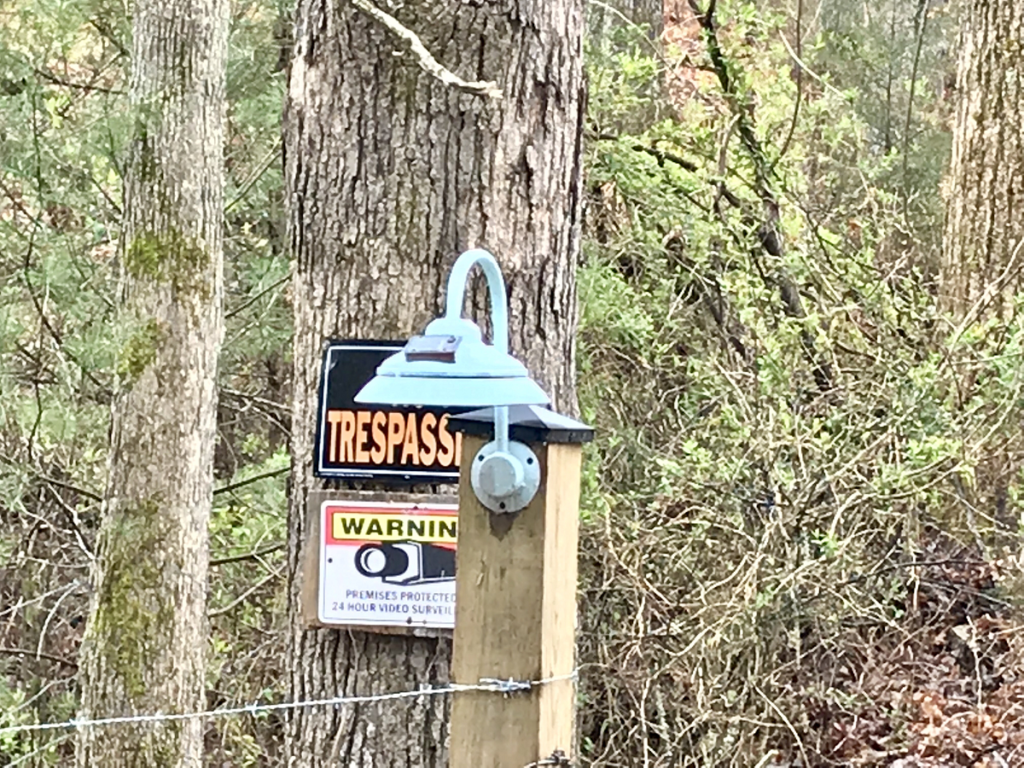
Instead, look for a location that’s in a small town but that also offers some privacy and enough land to grow a large garden and keep some small domestic livestock like chickens, ducks, and goats. Check local regulations to see what’s allowed and if it’s at all restrictive then choose another location because you want to be able to do what you need to do on your own property to become as self-reliant as possible.
It’s best to not choose a subdivision because even it isn’t crowded when you buy it will be in a few years once all of the lots around you are sold and the buyers move onto them.
Also, before making the move drive around and look at all of the houses… are they well-kept? Does it look like the people living in the area are responsible and care about their homes and property and do what’s needed to keep it looking nice, or do many of the homes and properties in the area look dilapidated and like the residents just don’t care… they probably don’t. Find another location.
Also, look for a property with a water source nearby and preferably on the property that you’re looking to buy. The best water resource is a good water well, unfortunately, newer properties don’t have water wells anymore because most home builders simply hook up to the public water utility because it’s easier and cheaper.
For example here is a really nice place with three acres that’s private yet has several other homes in the area to offer support and to work together during a disaster. Note: I’m not affiliated with the property in any way and won’t receive a commission or anything if someone from reading this article buys it.
Great Books about Backyard Homesteading
The Backyard Homestead: Produce all the food you need on just a quarter acre!
Questions:
- Do you live off the grid?
- How many acres do you have?
- What have you done to increase your self-reliance where you are?
Well, there you have it… please share your thoughts and comments below.