• Skip to main content
  • Skip to secondary navigation
  • Skip to primary sidebar
  • Skip to footer

M.D. CREEKMORE

  • Blog
  • Books
  • Newsletter
  • Gear I Use
  • About
  • Contact
  • Facebook
  • YouTube
  • Blog
  • Books
  • Newsletter
  • Gear I Use
  • About
  • Contact
  • Privacy Policy
You are here: Home / Archives for Prepping

Prepping

Here you will find articles about emergency preparedness and prepping including articles on prepper food, prepping checklists, home defense, bugging out, bugging in, and the best prepper gear ideas.

21 Point Prepper’s Checklist For Stocking Up at Your Grocery Store

September 17, 2021 M.D. Creekmore

Over the years I’ve consulted with many clients through my consulting business who know that they should stock up on food, water, and other needed gear but they’ve become so overwhelmed with all the “prepper foods” and “prepper gear” suggestions (check out this article for my favorite gear) that’s being promoted on nearly every survival blog and prepper website that they don’t know where to start – so they contact me for help.

I love seeing the look on their faces when I tell them that they don’t really need all of that stuff or need to order anything online because everything needed to prepare for a local disaster or even a total SHTF event can be found and purchased at their local Wal-Mart.

Prepping should be a simple and low-cost expenditure, unfortunately prepping has been made into a business where you’re intentionally led to think that you have to spend thousands of dollars on long-term storage foods, firearms, bug out vehicles and other related gear, when in reality everything that you really need can be purchased quickly and cheaply at your local Walmart Supercenter.

Below I’ve put together a 20 step prepper’s checklist that once completed will make you better prepared than probably 95% of the U.S. population – all at a fraction of the price of purchasing an equal amount of foods and gear from the prepper supply vendors that you see promoting their products everywhere online nowadays.

You can do all ten steps at once if you want or you can divide each step into separate days or weeks. But you need to get it done as soon as possible. Keep in mind that this is only a starting point and isn’t presented here as a completed end-all list. Prepping is a lifestyle and you’ll always be working and improving your skills and adding to and or altering your supplies.

Now let’s get started…

1. Head to the nearest Wal-Mart and pick-up 20 lbs. of white or brown rice (white rice stores longer but brown rice is more nutritious) and 20 lbs. of pinto beans. White rice has a better storage life while brown rice has more nutritional benefits – your choice.

2. While you’re there grab 5 lbs. mixed beans, 5 lbs. of white sugar, 5 lbs. of iodized salt, one gallon of olive oil (can be frozen to extend shelf-life), 5 lbs. oats, 10 lbs. each of white or wheat flour and cornmeal.

3. Now head over to the canned foods and pick-up 20 cans of canned fruits and 20 cans of canned vegetables. Be sure to buy only those brands and contents you normally eat and nothing exotic. No need to shock the senses.

4. Now over to the canned meats. Pick-up 20 cans of various meats, salmon, stews, spam, and tuna. Again buy only those brands with contents you normally eat and nothing exotic.

5. Okay. Now to the to the peanut butter shelf and toss two 40-ounce jars in the cart. The listed shelf life is just over two years and each jar has over 6,000 calories. Peanut butter is an excellent instant survival food.

6. Over to the powdered drink mix – go on I’ll wait…Okay, pick up two 72 Ounce Tang Orange drink canisters (provides 100% of the US RDA vitamin C requirement per 8 oz. glass). Also, grab six 19-Ounce Containers of Kool-Aid Drink Mix.

7. Off to the vitamin and supplement aisle, pick up 363 caplets of a good “one a day” multivitamin and mineral supplements. I buy this brand – comes in 121 count bottle for $18 each.

8. Now to the department, we all love – sporting goods. Go to the camping aisle and pick up 4 five gallon water containers. Fill with tap water as soon as you get back home.

9. While you’re there buy 250 rounds of ammunition for your primary defensive weapon. More if you can, but this will be a good start. Also a good universal cleaning kit.

10. And while you’re in the sporting good department pick up the best flashlight you can afford, extra batteries and bulb. Also, grab two boxes of wooden matches and several multi-purpose lighters. Don’t forget to date, use and rotate – remember first in first out. Let’s get started. What would you add to the list?

11. Go to back the grocery department and pick up 5 lbs of powdered milk or the equivalent of canned, now go over to the next aisles and throw in 5 lbs of rolled oats and a case of Ramen noodles. Ramen noodles aren’t the most nutritional food but they are cheap, add bulk to the diet and store well –  just don’t rely on them to provide all your nutritional needs. And don’t forget a good manual can opener.

12. While you’re in the grocery department be sure to pick up an assortment of spices to taste, such as Basil, Chili powder, Cinnamon, Garlic, Sage, Marjoram, Oregano, Rosemary, Thyme and Black Pepper. Spices can go along way toward making unfamiliar foods palatable. Also, while you’re in that area add 5 or more lbs of salt to your shopping cart, as you know salt has 101 uses.

13. Okay, counting what you bought during our first trip to the shopping center, that should do it for the grocery. Now go over to the area near the pharmacy and pick up 3 large tubes of toothpaste, 3 brushes, 100 double edge razor blades, (note: if you don’t have a razor you’ll probably have to order one from Amazon.com and don’t forget a brush and bowl), I’ve used this type of razor for years and think it is a cheaper long-term solution than disposable.

14. While you’re there, add the most comprehensive first-aid kit that you can find to your cart and don’t forget over the counter pain meds (Tylenol, aspirin etc.). If you’re a woman (or have one in your life) go over a few shelves and pick up enough “feminine” supplies to last three months or longer.

15. With all that food in your pantry its only a matter of time before you have to poop. I know, its shocking but we all do it.  If you have a water source such as a stream or lake nearby you can still use the toilet in your bathroom, all you have to do is manually fill the tank in back and flush as usual. If this isn’t an option, you’ll need to look for other alternatives such as the Portable Toilets sold in the sporting goods department or making a  sawdust toilet from a five-gallon bucket.

16. What’s next? You guessed it toilet paper. If you poop you need to wipe, if not you probably need to start. You could use a corncob, cloth, Roman sponge on a stick or paper from discarded books or newspapers but I would wager most of you prefer the softness of Angel Soft. Get enough to last at least a month, more if possible and remember women need more than men so plan accordingly.

17. While you are in that area of the store pick up a supply of disposable plates, bowls and plastic utensils. Don’t go overboard here but having a small stockpile of these items on hand can save a lot of water that would otherwise be used to wash dishes. Also add two or more gallons of regular, unscented bleach to your cart.

18. This is a biggie and can’t be done (legally) at the department store pharmacy without the signature of a doctor – that is stocking up on prescription meds.  Getting more than a 30 day supply, at least in the U.S., can be difficult if not impossible. But there are ways to get most of what you need for long-term survival.

19. Now push your cart (man this thing is getting heavy) over to the hardware department of the store and pick up a carpenters hammer, vise grips, adjustable wrench, screwdriver set, duct tape, electrical tape, ax, pry bar, crosscut saw, hacksaw and a large can of WD-40. This is your bare minimum survival toolkit.

20. After you get your toolkit, go over to sporting goods and in the camping supply aisle pick up a propane camp stove and 5 or more 1 pound propane cylinders or a bulk 20 lb tank and hose adaptor – yes the pressure in the small bottles is the same as a 20 lb cylinder or even 100 lb tank, just be sure to get the proper adapter and hose assembly. Another alternative and the one I prefer is the Volcano Stove because I can use propane, wood, and charcoal.

21. Okay, we are just about done  – only a few more steps you’ll be out the door and heading home. You’ll need a way to keep in touch with your group so go to the electronics department and pick up the best two-way radios that you can afford – I have these. Don’t forget a battery-powered radio and extra batteries for both. While not necessary, I prefer a radio capable of receiving AM/FM and shortwave broadcasts – I have this one.

This shopping list will have you better prepared than probably 90% of the U.S. but it should not signify the end of your preps only a good start. There’s always something to do and learn never become complacent – remember the quote “On the plains of hesitation lie the bleached bones of those who on the very threshold of victory sat down to rest, and while resting died.”

What did I leave out? What would you add? Let us know in the comments below.

Filed Under: Prepping

Long-Term Food Storage Staples That Last Forever – 20 Foods to Stockpile for Long-Term Survival

December 25, 2020 M.D. Creekmore

Long Term Food Storage Staples That Last Foreverby Amanda Hermes

There is a surprising variety of foods that can last for years, or even forever, at room temperature when stored correctly. For all of these foods, the storage method is paramount. To protect your food supplies, store them in airtight containers in cool, dry locations away from light.

Containers might be bins, jars or cans with lids or even plastic bags that close securely. Buying in bulk is a great strategy, but most foods last much longer unopened, so obtaining many smaller containers might be more beneficial, depending on the food.

Moisture is the number one cause of food spoilage because microbes, such as bacteria, molds, and yeasts, flourish in moist locations. These microorganisms feed on food matter and decompose it. Like humans, microorganisms require water to survive, so if you remove moisture from food, it will not decompose, or spoil.

Naturally occurring enzymes in food can react with oxygen to cause spoiling and ripening that destroys food, but these enzymes also need water, so without moisture, this reaction can’t take place.

Make sure to keep long-term foods in cool areas, since heat can cause sweating, which can produce enough moisture for mold to grow. Darker places are also better for storage since sunlight can increase temperature.

While the foods below can last for relatively long periods, always discard foods that have a bad odor, flavor, or appearance. If mold or insects ever appear in your food, discard it immediately,
as these can present serious health hazards if eaten.

Below are twenty foods with remarkably long shelf lives to stock your survival pantry.

1. Dried Beans and Legumes

Legume is a generic term for beans, peas, and lentils. All of these are low-fat, cholesterol-free sources of high-quality protein and fiber, which means they are good for satisfying hunger. All varieties of dried beans and legumes will last indefinitely if stored correctly, that is, in an airtight container in a cool, dry place, according to chef and food scientist Mark Bittman.

Although there are hundreds of varieties of dried legumes, almost all can be prepared in the same way.

To make dried legumes edible, simply place them in a large pot and cover with water. Heat to a boil, and then turn the heat down and cover loosely. Cook, stirring occasionally until the beans are tender. How long this takes depends on the size of the legume you are cooking.

Peas might only take 30 minutes, while kidney beans take about an hour to soften. Legumes that are older than one year might take longer to soften.

2. White, Long-Grain Rice

Basic white, long-grain rice is another food staple that will last indefinitely if stored in an airtight container in a cool, dry place. Brown rice will last approximately one year, but its bran contains oils that can go rancid, whereas the bran has been removed from white rice, allowing it to last pretty much forever.

Rice is basically 100 percent carbohydrates, which provide energy, but not a lot of nutrition. However, it does contain magnesium, vitamin B6, as well as a little protein and fiber. According to Jill Waldbieser at “Cooking Light,” very old rice is actually revered in some Asian communities.

Rice that is over twenty years old commands a higher price and is eaten by royalty because eating it is equated with longevity. To prepare rice, combine with water in a two-to-one ratio (2 cups water, 1 cup rice) in a saucepan.

Bring to a  boil, then turn the heat down to medium-low and cover. Cook for about 15 minutes, or until water is absorbed.

3. Dried Pasta

All types of dried pasta will last at least 30 years when stored correctly, which is the same as the foods above. Pasta contains carbohydrates for energy and fiber, as well as iron and magnesium and a small amount of protein. To prepare dried pasta, bring a large pot of water to a boil.

Bittman suggests using five quarts of water per pound of pasta. Add your pasta, and continue to boil for 8-10 minutes, or until the pasta is tender. Drain water, and add seasonings or sauce if you have it.

4. Jerky

Raw meat can easily be contaminated with microorganisms that cause disease, but treating it with heat destroys foodborne microorganisms, and drying it out removes the moisture that
allows them to grow. Jerky can be made from any game meat, beef or pork, but it’s best not to try with poultry.

To make jerky, slice raw meat into strips no more than 1/4-inch thick, and arrange strips on trays or baking sheets so they do not touch or overlap. Bake in a 140-degree oven for 10-24 hours. You can also use a food dehydrator to make jerky at home.

Vacuum-sealed jerky can last up to two years. Jerky is a good source of protein, iron, potassium, and zinc.

5. Dried Vegetables and Fruits

According to How Stuff Works, dehydration is one of the oldest food preservation methods, dating back to 12,000 BC. Dehydrated vegetables, like kale chips and dried green beans, can last up to eight years in an airtight container, according to Food & Wine. Dehydrated carrots can last up to 25 years, and dried corn has a ten-year shelf life.

Dried fruit, on the other hand, lasts about a year. Store dried vegetables and fruits in small airtight containers, such as plastic bags, because every time you open the container, the food is exposed to air and moisture, which lowers its quality.

As stated above, moisture promotes decay, but drying vegetables and fruits removes all the water, thereby preventing the decomposition process.

Unfortunately, it also zaps most nutrients out of fruits and vegetables as well, but vitamin A, iron, and fiber are retained. Use the same drying process as jerky, but check every two hours until food is completely dry and brittle.

6. Powdered Milk

Powdered milk has been around since the 1830s. It is a great way to get calcium, protein, minerals, and amino acids. In the original airtight container, powdered milk lasts up to two years, or ten years unopened.

To reconstitute, add one cup water to 1/3-cup powdered milk. Besides drinking it, you can use powdered milk to flavor other foods, make desserts such as rice pudding, or add nutrients to other dishes.

7. Powdered Eggs

Since the early 1900s, people have been using powdered eggs instead of the original when camping. They are simply dehydrated eggs in powder form and last five to ten years in an airtight container in a cool, dry place.

Just like regular eggs, powdered eggs are a good source of protein, potassium, calcium, and essential vitamins. Simply mix with water and cook to create scrambled eggs.

8. Rolled Oats

Oats are another great source of fiber, potassium, iron, zinc, and several other key nutrients. They last about two years in an airtight container.

To prepare, combine two cups of water with one cup of oats in a small saucepan. Bring to a boil, then turn the heat to low and cook, stirring often for five minutes. Remove from heat, cover, and let sit for five more minutes before eating.

9. Canned Fish

Canned fish, such as tuna, salmon, and sardines are a great source of protein and Omega-3 fatty acids that can last up to three years unopened in a cool, dry place.

The canning process removes air and places food in vacuum-sealed containers that are heat processed, thereby destroying microorganisms and preventing bacteria from getting in, according to “Food & Wine” magazine. Canned fish can be eaten right out of the can or heated.

10. Nut Butters

According to “Readers Digest” magazine, nut butters, such as peanut, almond, and cashew, can last up to two years unopened, and six months once they’ve been opened.

Nut butters are a great source of protein and healthy fats.

11. Pickled Vegetables

Pickled vegetables are packed in a solution of water, vinegar, and salt. The acid from the vinegar combines with naturally forming acids in the vegetables, thereby slowing down the decaying process that causes fresh produce to go bad.

Therefore, pickled vegetables can last up to two years unopened. By the same token, vinegar itself never goes bad because it is basically self-preserving.

Pickling recipes vary by vegetable, so it’s best to consult a cookbook or other resource.

12. Canned Goods

Canned goods are a great way to bring variety to your extended shelf life pantry. Despite expiration dates printed on store-bought items, canned goods that are stored in a cool, dark place and remain undented and in good condition are safe for up to six years, according to Fox News.

Canned vegetables and fruits can provide a plethora of vitamins and nutrients,  depending on the variety. While it’s safe to eat canned foods at room temperature, most are better heated, with the exception of canned fruit.

Also, read the article How Long Does Canned Food Last that was published here on MDCreekmore.com a few months ago…

13. Honey

Honey’s low moisture content and acidity make it inhabitable for bacteria, so it will last indefinitely at room temperature. After some time, honey may become crystallized, but simply heat a glass jar of honey over low heat in simmering water until it becomes liquid again.

Honey contains virtually no nutrients, but it does contain antioxidants, which protect your body’s cells from damage. It can also be used to treat burns and wounds, due to its antibacterial and anti-inflammatory properties.

A spoonful of honey is a great remedy for a cough or cold, as it is a natural expectorant.

14 and 15. Sugar and Salt

Both sugar and salt are pure chemicals, which means they are pretty much indestructible and will never spoil as long as they are kept free from moisture. Like children, microbes love to eat sugar, but they can only do so if it’s somewhat moist.

Whether brown or white, sugar is still safe to eat even if it becomes hardened over time. Salt is great to have on hand to season the foods listed above.

16. Soy Sauce

Fermentation is another method of preserving foods, which makes soy sauce one of the longest-lasting flavorings out there. Soy sauce also contains a high level of sodium, thereby preventing bacteria growth.

According to Food & Wine magazine, unopened soy sauce can last indefinitely, and an opened bottle remains good for three years at room temperature.

17. Worcestershire Sauce

Similar to soy sauce, Worcestershire sauce contains high levels of acid and sodium, giving it a shelf life of up to five years unopened. It tastes great added to meat or fish or even beans.

18. Vanilla Extract

Pure vanilla extract can last indefinitely at room temperature in an airtight container because it contains alcohol, which prevents bacteria growth.

For the same reason, many varieties of distilled liquor, such as vodka, rum, whiskey, gin, and tequila, also last indefinitely. This shelf life only applies to pure vanilla extract; imitation vanilla extract generally lasts about four years.

19. Cocoa Powder

Properly stored, an opened package of unsweetened cocoa powder will generally last for about three years at room temperature. Just mix with hot water and add sugar for a comforting beverage.

Pre-mixed hot chocolate powder, however, does not last nearly as long, since it contains dairy.

20. Bouillon Cubes

Properly stored in an airtight container, a package of bouillon cubes or granules, whether beef, chicken, vegetable, turkey or fish, have a shelf life of about two years. These can be used to flavor rice, pasta, beans, or any other dish you are making.

MD Creekmore adds: 

Some foods like powdered milk, butter powder, cheese powder, shortening powder, and powdered eggs are difficult to package for long-term storage at home so I buy these prepackaged for long-term storage in #10 cans.

My choice for long-term storage food is Augason Farms (click here to see their long-term storage foods on Amazon.com) because of their selection, quality, prices, and customer service.

Resources:

https://www.rd.com/food/fun/foods-that-never-expire/7/
https://www.foodnetwork.com/recipes/packages/cooking-from-the-pantry/the-top-10-longestlasting-foods
https://www.foodandwine.com/news/9-foods-almost-never-go-bad#canned-fish
https://www.cookinglight.com/cooking-101/foods-with-longest-expiration-dates
https://recipes.howstuffworks.com/dehydrated-food.htm
Bittman, Mark. How to Cook Everything. Houghton Mifflin Harcourt. 2008.


Filed Under: Prepping

Real (No B.S.) Survival Lessons from Ukraine

May 26, 2020 M.D. Creekmore

survival lessons Ukraine

Contributed By Fernando “FerFAL” Aguirre – visit his blog at The Modern Survivalist

The war in Ukraine is a tragic event but it’s one that we can all learn from. Nothing provides as much valuable information as real-world situations where ordinary people are forced to deal with extraordinary events.

At the end of the day, the war in Ukraine gives us plenty of examples of what works and what doesn’t, and while personal experience is important, the wise person learns from other people’s mistakes so as to not repeat them himself.

There are several articles explaining what people have gone through in eastern Ukraine. This article over at Daily Mail provides a good visual image of what people are going through.

There’s also a thread in survivalist boards where a Dunbass resident that goes by the name of George1980 has been posting, sharing his experiences. I highly recommend reading it if you have the time.

Using this information, here are twelve important lessons based on what has happened so far in Ukraine:

Artillery & infantry beats survivalist hero fantasies. Every. Single. Time.

Maybe the most obvious lesson to be learned is how miserably all these fantasies about forming survival groups, living in a retreat while fighting against impossible odds would ultimately fail.

There’s simply no surviving against an occupation force when facing them as an individual or small group.

Houses, towns and even entire cities can eventually get surrounded and overpowered. A single house or compound represents a laughable resistance to organized armed forces, let alone ones with artillery and air support at their disposal. Once shooting at your position is no longer fun, they’ll just blow you up. It’s as simple as that.

Cover the basics. Food, water, shelter, and medicines.

In various parts of eastern Ukraine, People are suffering the lack of water, electricity and food shortages. You need to store food, food that requires no refrigeration and little or no cooking. You need water, not just a water filter (which you should have as well – click here for my recommendation @ Amazon.com) but actual jugs of water.

For true emergencies and survival situations, just like you can’t have too much food you can’t have too much water. Have a well, have a river if nothing else keep an eye out for large barrels on sale and keep some full of water.

Even the jugs for carrying water become valuable. Have a good supply of medicines: ibuprofen, vomit and diarrhea medicine, liquid ibuprofen for children, bandages, diapers, formula, and antibiotics.

Antibiotics are the difference between life and death when you need them (click here to legally order Antibiotics online without a prescription @ Camping Survival).

Have lanterns, flashlights and lots of batteries. Get an emergency crank radio. Get a solar charger (click here to see my recommendation @ Amazon.com)for your phone and batteries. Have alternative means of cooking and heating.

A wood-burning stove may do the trick, but make sure you always keep extra wood stored for emergencies.

Maybe you’re lucky enough to still have power, if so an electric burner can be put to good use then, saving other fuels for when the power goes out. Have extra fuel in storage for your vehicle, enough to make it to your potential bug out location in case you have to leave in a hurry.

Have a tent and sleeping bags. These can be used not only for sleeping in tents but also if you happen to find yourself in a refugee camp during winter or in an unfurnished flat after evacuation or if you’re staying with friends or family.

In a shelled city, underground is the only safe place to be, to some extent at least. An actual bunker would be ideal, but people try finding shelter anywhere underground. In buildings, windows and doors are covered with sandbags and people sleep in the interior room away from exterior walls and windows. Windows never survive shelling. The broken glass makes it impossible to stay warm in winter.

Plastic sheeting can sometimes be used to close openings and still allow light in, but this is far from an ideal solution and he loss of heat is substantial.

Don’t get involved.

From a survival perspective, the best way to go about conflicts that can develop into violent clashes is to not get involved in the first place. Avoid going to protests and marches. This is especially true in cases such as the one of Ukraine, where people are seen on one side or the other during protests and clashes, often filmed.

Something as simple as a rival remembering your face from the rallies can land you in jail or worse. In this kind of situation, it’s even neighbors, former friends, and coworkers that may remember your political affiliation. They may end up mentioning your name to the new authorities and they will come after you.

Attitude, clothes, and gear can get you killed or arrested.

Here is where the gray man approach comes into play. Be as neutral as possible not only regarding your actions and behavior, but also when it comes to insignias, clothes, and gear. Even beards or unusual or characteristic hairstyles can get you in trouble.

According to George1980 “There was a very unpleasant situation on the Ukrainian check-point when one soldier wanted to arrest me as separatist)) Fortunately, my wife and daughters were with me and this soldier did not stop me. Problem was that I have a beard and, maybe, my face was very “suspicious” ))) Soldier told me that)”.

Flag of Ukraine

Checkpoints in Ukraine are there for a reason: finding enemies. Having a weapon can get you into trouble, but also things such as maps, GPS, political propaganda, radios, this can all be considered espionage material. Adventurers traveling around the world have often mentioned how they get arrested in war zones because of their cameras and laptops.

You’re not local, you have electronics capable of being used for communication, then you’re a suspect until proven otherwise. Lots of people have GPS, radios, and maps in their Bug Out Bags. Just make sure to be smart about it and understand that in some cases, when dealing with factions fighting to overpower, it can get you in trouble and its better to get rid of some of it before reaching a checkpoint.

Learn to deal with checkpoints.

In checkpoints, women and children aren’t as carefully inspected as men. Private vehicles are checked much more thoroughly than public transportation. Maybe you’re better off taking a bus or train.

It’s important to travel light and be in good health and properly dressed to walk long distances if needed. Bribes may be needed so have cash. A hidden weapon may get you killed or arrested. Is it worth the risk to conceal a handgun among your belongings while evacuating?

Probably not, but you’ll have to decide that for yourself given your specific situation. Valuable items such as jewelry, cash, and even electronics may be “confiscated” or downright stolen by the troops. Conceal them as well as you can. Cash and small gold coins can be hidden in shoe insoles, inside children toys or dirty diapers in the baby’s diaper bag.

Coins can be sewed under jacket patches and insignias, under buttons. Women have managed to hide small rolls of cash inside them as if they were tampons, placed inside condoms. Refugees have swallowed small gold coins and jewelry so as to be recovered later.

Desperate times call for desperate measures. When it comes to gold vs silver, gold is more compact and easier to hide. I wouldn’t like to swallow 1000 USD worth or silver coins!

Guns can save you, but they can also get you killed.

According to George1980 “separatists very afraid Ukrainian saboteurs on their territory and try to catch every man with a gun who is not from their “Army”.”

Are you fighting along with one of the factions involved? If not, then make sure you’re not confused with one. If you just want to be left alone, then don’t openly carry a gun. Openly carrying a weapon means you are a fighter on either side of the conflict. If you’re not with either one, BOTH will consider you an armed enemy.

At the end of the day, a gun can save your life, but in a world of no easy black and white answers, a gun can also get you killed. Keep any weapons concealed, and be ready to ditch them, sell them or cache them depending on the situation you are involved in. Just going gun-ho is not the one and only answer to all problems.

I sure would like to be armed if I was still in Argentina today. If there’s trouble, 1000 bucks will most likely buy any cop’s silence. At the same time, in the 70’s during the military Junta and state terrorism, going around armed in Argentina wasn’t a good idea if you wanted to avoid trouble.

If you were caught and found to be armed, the security forces would immediately assume you were a montonero, a leftist terrorist, and you would be tortured, executed or go “missing”. During these torture sessions, people that had no involvement would often mention the names of innocent people, just to stop the tortures.

Just being in the wrong phone list of a coworker or fellow student was enough for the security forces to pay you a visit.

Get a Glock 9mm and a rifle with a folding stock.

As explained earlier, you want to be able to conceal your weapons. Eventually, you may have to leave behind your rifle and even your handgun. You sure won’t be boarding an evacuation plane with one. What about going through checkpoints? Is it worth getting killed or arrested?

Or are you better of selling your gun to someone that is staying behind, grab a few extra hundred bucks just as you board a bus or train leaving the conflict area? You want a gun that is ubiquitous, that fires a common round and has a well-known reputation.

Basically, you want a great weapon that works well for you, but you also want a weapon that is eventually easy to sell as well. Conflict or not, Glocks and AKs are great staples.

Passports and ID are crucial.

When traveling away from the conflict zones in Ukraine you better have your ID. Soldiers at checkpoints will want passports, driver licenses or other ID proofs. They may not ask for them all the time, but if they do, you better have them. They will want to know as much about you as possible.

If you get the chance to leave the country, you better have your passport ready as well. Other countries are already refusing to offer asylum to refugees. Here is where second citizenship would be just priceless.

While others are refused entry, having an EU passport would mean you could just board a plane and start over elsewhere while others are refused entry entirely or have to go wherever they offer asylum. Because of this, having updated documents is very important.

Many Americans fail miserably at this part and just don’t understand how important it is. My parents grew up in Argentina during the 70’s. Even years after the end of the dictatorship, I remember the look on their faces if they forgot their wallet when going out. They were terrified.

Back in the day, getting stopped by the police and being caught without your “documentos” meant you weren’t making it back home that night. If you couldn’t prove your ID, you were considered an enemy/extremist/spy.

The Triple-A (Argentine Anticommunist Alliance) were constantly looking for left-wing activists. People have been arrested and tortured just because they had long hair or dressed like hippies.

You wanted to be as gray as possible, literally gray, so as to avoid being thrown inside one of the Triple A’s infamous olive green Ford Falcons, never to be seen again.

Cash is king

Food was still available in Donetsk, but people just didn’t have enough cash to afford it. With inflation being about 30% a month, food prices go up accordingly, so you’re better off with Dollars or Euros rather than local currency.

They may not be accepted in some chain stores, but you can exchange them on banks or on the streets at the ongoing currency exchange rate, protecting your savings from inflation and only changing for local currency as needed.

At one point George1980 said, “So my conclusion is so: cash is the main tool of a survivor!” I couldn’t agree more. And don’t forget about silver and gold – Renaissance Precious Metals has a good inventory at competitive prices.

Work on your EDC

The poorest refugees arrive by train and bus, while those with means come by car.

When bombs began falling close to an elderly woman’s home near Lugansk’s airport, “the granny grabbed her granddaughter, and they jumped on a train and came here with only the clothes on their back,” Shapoval said.

http://www.usatoday.com/story/news/world/2014/07/02/ukraine-war-refugees/11927955/

One day it may be all you have to work with. George1980 mentioned how important a good multitool was, how at times it was the only tool he had after leaving Dumbass and moving into an empty flat. This is actually a great point. I always think of my everyday carry kit in such terms.

If the flashlight I have in my pocket right now is the only one I’ll ever have or the one I’ll have to use to get by for years. Which one would I rather have? If my folding knife is the one I’ll have for defending myself, for prying open a window or a door after artillery hits my home or for preparing food, what kind of knife would I like to have?

How about having to sell that knife for much-needed cash or use it to bribe a Ukraine or Russian soldier in a checkpoint, which knife and multitool would I like to have to bargain with? What if I have to leave with nothing but the clothes on my back, I evacuate on foot with my family, everyone soaking wet, can I start a fire? As a matter of fact, do I even have enough cash to buy bus or train tickets for everyone?

Open an offshore account

Greece, Ukraine, Iceland, Argentina, doesn’t matter where it is, when things get ugly, the currency starts devaluating and banks close their doors you’ll want an offshore account. Maybe you keep some of your savings there. Maybe you make a transfer just in case when you hear some bad rumors floating around. Transfer fees aren’t very high and its cheap insurance.

One thing is for sure: Just like you can’t buy a gun when bad guys are kicking down your front door, you cant open an account in a foreign country just when the local economy is about to go to hell. You need to do these things ahead of time.

An offshore bank account means you can keep some of your savings abroad, move money around, move elsewhere and keep your money safe even if your country if falling apart. People in Ukraine sure understand the value of such an asset.

Be ready to bug out and know when to do so

If there is one thing we can learn from the war in Ukraine, as well as war and conflict in other parts of the world, is that not being there is the best thing you can do to ensure your survival and well-being of your family. Always have a bug out abroad plan, no matter who you are or where you live.

Just think about it. If you had to leave your country today, (don’t think of all the reasons you wouldn’t, just for a second, think about it as if you didn’t have an option). Where would you go? Do you know someone there that can help you?

Finally, know when it’s time to leave. This is something I address and emphasize in my book “Bugging Out & Relocating”. It’s about having a plan but also crucial, it’s about executing it at the right time. Those that hesitate, those that choose denial when the signs are all over the place, they may live to regret that.

A day too late, an hour too late may make all the difference in the world.

Why Ukraine is trapped in endless conflict


Bio: Fernando “FerFAL” Aguirre is the author of “The Modern Survival Manual: Surviving the Economic Collapse” and “Bugging Out and Relocating: When Staying is not an Option”.

Filed Under: Prepping

Best Grain Mill for Home Use – My Recommendations After Extensive Testing

May 13, 2020 M.D. Creekmore

Best Grain Mill
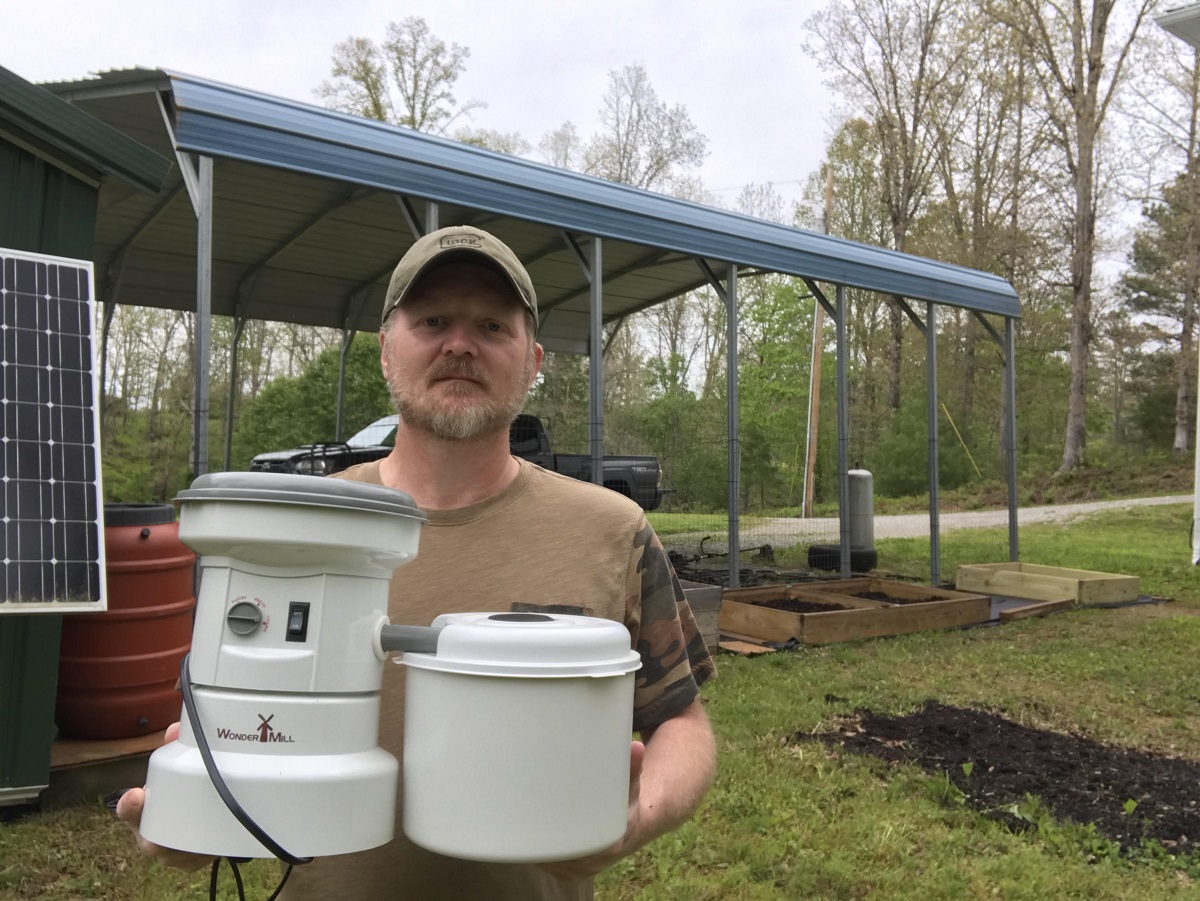
Wonder Mill and Corona Grain Mills

Most homes will already have most of what you will need to process and cook the foods from your survival pantry, items such as pots, pans, and other common household kitchen utensils. So we will not get into that. What we will cover are tools that most typical kitchens do not have on hand but that are necessary for the prepper’s kitchen. So let us get started.

Choosing a Grain Mill

You need a grain mill now. Don’t put it off another day. Even one of the least expensive models would be better than not having one at all. I know many of you want the best, and that is great. Get the best if you can afford it. Just do not put it off any longer. Get a mill now. If you cannot afford one of the better models, get a cheaper one; buy two or three of the cheaper models – that way if one breaks and cannot be repaired, you will still have spares to fall back on.

This goes along with my philosophy of the rule of three. Always have at least three independent sources of any survival necessity. Never put all your eggs in one basket. Too many things can happen which will leave you with nothing, which is what we are trying to avoid by prepping in the first place.

While I cannot give recommendations on all the models currently available today (because I have not owned or used them all), I can tell you what I have and my thoughts on these which should, at least, get you started in the right direction.

I currently own four different grain mills, The Wonder Junior Deluxe Grain Mill, a Corona Landers, (check the current price on the Corona mill at Amazon.com) a Back to Basics, and a Grizzly H7775.

Wonder Junior Deluxe Grain Mill (Top Pick for the Best Grain Mill)


If you read my book “Dirt Cheap Survival Retreat”, then you already know that I use the Corona hand grain mill for all of my day-to-day milling. It is a strong and well-built grain mill, and for less than $75 it is hard to beat. The Mill to Table Clamping System is a very strong feature included with the Wonder Mill.

However, I have never liked having to run the meal through the Corona several times to produce usable fine-enough flour for baking. That is one reason I made my homemade sifter – to speed up the process. However, it was still always necessary to run the bulk of the flour through the mill two or more times.

Since I mill grain several times per week, I needed a more efficient mill. I considered the Country Living Grain Mill but never could find enough extra change for the purchase. Therefore, I started looking for an alternative. I eventually decided to order the Wonder Mill Deluxe – check the current price and availability at Amazon…

I have used the Wonder Mill for the past three weeks, and so far I have been extremely pleased with my new mill. In fact, I think I’ll retire the Corona and use the Wonder Mill Deluxe exclusively. Yeah, it is that good.

The Wonder Mill comes with both stone and steel grinding heads as shown in the photo above.

Best Grain Mill
Wonder mill also makes an electric mill – you can check the price on that here…

I love the one-piece construction of the mill and hopper. There is no separate hopper that can fall off during operation or any pins or clamps that could be lost. This is one thing I never liked about the Corona, as there were several times that the hopper fell off during aggressive cranking of the handle.

Another big improvement over most hand-operated grain mills is the double clamping system used on the Wonder Mill, which is the strongest I have ever seen on any mill. When properly clamped to the table, I had no problems with the mill moving out-of-place or coming off during grinding.

However, since all of my grinding is done in the same place, I will likely remove the clamp altogether and bolt the Wonder Mill directly to the table. This will provide the strongest possible mill to table mounting system.

Another thing I loved about the Wonder Mill is the quick change head system that allows you to easily switch from grinding dry grains, beans, and legumes to oily grains, nuts, and even coffee in just a couple of minutes. The Wonder Mill Deluxe comes with both steel and stone grinding heads, which can be changed out in less than one minute.

Here are the product specifications:

  • Weight: 10 pounds
  • Height: 12 ¾ inches (without the clamp)
  • Hopper capacity: one quart
  • Crank handle: 10 inches

Best of all, the Wonder Mill produces excellent, fine flour (with no sifting or re-grinding required). This saves a lot of time and effort. Moreover, the consistency is easily adjusted using a simple knob to adjust from pastry flour to cracked grains.

In fact, 90% of flour files through the sifter screen after the first pass through the mill. Again, this is a huge improvement over the Corona. In addition, because of the excellent bearing system (that never needs lubricating) cranking the handle is much smoother, but still requires effort.

The flour guide directs the falling flour into the catch pan or onto the screen without any mess around the milling heads or thrown flour on the table and floor. This is always been a problem with the Corona when grinding pieces of grain and flour would be thrown all over the place. One solution was to secure a plastic bag over the grinding head of the Corona to catch the flour and grain particles.

I wish that I had a Country Living Mill to compare against the Wonder Mill. I am sure there would have been some interesting findings with the comparison. The folks at WonderMill.com did perform a speed comparison between the two and according to their website: In a test performed at the Wonder Mill test kitchen, the Wonder Junior was able to grind 1 ¼ cups of flour in a single minute *80 turns*. This is 65% (about 1/2 cup) more than we were able to produce with the Country Living grain mill with the same flour setting and the same amount of turns *80 turns*, and for half the price.

I know what you are thinking, it sounds great but “can it be motorized?” Yes, it can. There is a motoring pulley available that will allow you to do just that; however doing so will void the warranty. They also make a special adapter which can be used with a power drill to make grinding any grains or beans a quick and easy process.

I only grind a small amount of flour at a time (why grind more than I need?). I will not be adding a motor, but it is an option to keep in mind.

Your next question is probably going to be “what will it grind?” I have used it to grind wheat, corn, and beans. It can also grind spices, herbs, oily grains, nuts, and seeds. See WillItGrind.com for more info on what the Wonder Mill will grind.

Based on my tests, comparisons, price, and use, I give the Wonder Junior Hand Grain Mill my highest recommendation for a grain mill. If you are looking for a hand grain mill this is the one you should get.

Check the price of the Wonder Mill on Amazon

Corona Landers Mill

It is strong, robust, well made and my second favorite grain mill. The Corona is a hand-cranked unit that uses rotating steel burrs to crack and grind corn, beans, grains, nuts, and seeds.

It is manufactured using cast-iron parts with an electro-tinned finish to guarantee a rustproof and easy to clean tool. I give it my second highest recommendation following the wonder junior hand grain mill.

Back To Basics Mill

This mill works well and is actually very easy to use. My main complaint is the small hopper that needs to be refilled after a few cranks of the handle. It is lightweight when compared to the Corona and I do not think it would stand up as well to continued usage.

Grizzly H7775 Mill

The Grizzly H7775 mill it is not my first choice but it sure beats having nothing at all. It sits low on the table, low enough that getting a large enough bowl under the head to catch the flour is difficult. I have the same problem when using the Corona. This is the main reason I use a homemade sifter to catch the grindings.

My other complaint is the small hopper, refilling it every few cranks can be an annoyance, at least for me. On the plus side, the grinder is efficient and the grinding plates are easily adjusted to the desired consistency.

While this is a good mill, it is not of the quality of the Corona; but note that it is half the price, so buying two or more is an option.

Country Living Mill

While I do not own this mill, it is given the highest recommendations by those that do. A recent advertisement proclaims: The Country Living Grain Mill is one of the highest quality grain mills ever made.  Living Grain Mill is one of those high-quality items that could be passed on to the next generation.

How to Grind Grains and Beans

When grinding, it is often necessary to regrind the grain several times before reaching the desired consistency. Some of the meal will come out perfectly fine the first time through, while other parts remain coarse and need to be reground several times.

One way to make grinding easier is to use a screen to sift out the finer flour while leaving the larger pieces of grain behind. The sifter is simply a four-sided box with sides but no top, and a bottom made of nylon window screen from the hardware store. Mine is 15″ X 12″ with sides made of a ¾ inch by 3-1/2 wood.

Cut the wood to length, and nail or screw the pieces together. Lay the screen out on a hard surface, sit the box down flat on top of the screen, and cut to fit with a utility knife. Turn the box over and tack the screen to the box with several thumbtacks or small nails to hold the screen in place.

Take all-purpose cement from the plumbing department of the hardware store, and spread generously around the rim of the over the edge of the screen, forming a permanent seal between the wood and the screen.

When grinding, place a section of newspaper under the grinder head and set the box on top. Grind as normal but after each pass through the grinder, shake the finer meal onto the newspaper and transfer into a bowl.

Pour the coarser meal back into the grinder and regrind, repeating until reaching the desired constancy. This saves running the finer meal back through the mill, making grinding easier and quicker.

If you’re looking for an off-the-grid cooking solution that never runs out of cooking fuel then watch the video below…

How to Clean Field Run Wheat

First off, never buy “seed” grain for human consumption. Seed grain is often treated with insecticides and fungicides. Seed grain is to be planted and grown not eaten. Buy untreated whole grain sold as “feed” that is meant to be eaten.

Look for “field run grain.” It is cheaper and because of fewer processing steps, it is less likely to be infected with mold or contaminated. Field run wheat will have dirt and detritus that will need to be removed before use, but cleaning wheat is not a big deal.

First, sort the grain by laying it out on a clean surface and pick out any chunks of dirt, rocks or darker grain. After sorting, you need to wash the grain. Place the grain on a sifter or screen and pour clean water over it until the water coming out the bottom is as clean as that poured in from the top.

After cleaning the grain, you will need to dry it before grinding. Pour the grain into a strainer and set it aside for about ten minutes. After it stops dripping, spread it out on a cookie sheet about ¼ inch deep, heat in oven at 180° degrees occasionally stirring until dry. Drying usually takes about an hour. If it takes longer that’s fine; just make sure it does not burn.

Alternatively, if you prefer you can dry it outside under the sun. This is better and cheaper but is dependent on the weather and time of day and the season. Just spread the grain out in a thin layer on newspaper or other suitable material in direct sunlight. A solar oven could also be used; however, I have never tried this method myself.

Filed Under: Prepping

Sea Salt – An Indispensable Commodity for Uncertain Times

December 30, 2019 M.D. Creekmore

Guest Post by Roxanne L. Griswold

When we think about setting aside emergency supplies, most of us would agree that preserved food and purified water are the essentials and everything else is secondary to these. Some might even choose to incorporate things like a manual grain mill, a water purifier, a food dehydrator, a solar cookstove and so on.

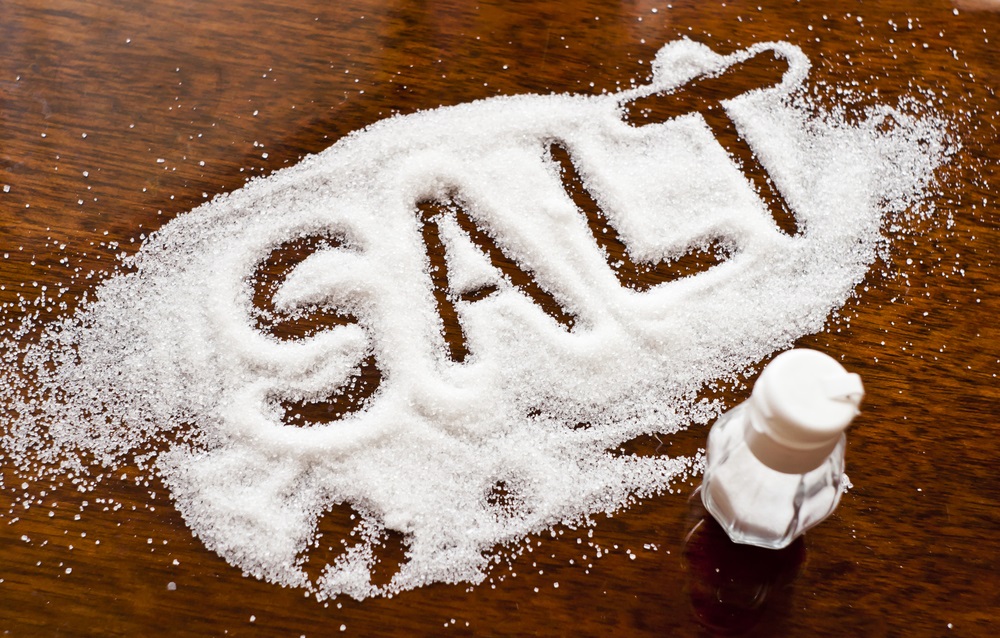
But who would ever consider something as simple and humble as sea salt as an indispensable necessity and commodity in the tumultuous days ahead? I would even go so far as to say if sea salt is not a part of your survival provisions, it’s time to tuck away this invaluable, hidden treasure.

In fact, salt was once valued as a form of currency – it was that scarce, and considered a luxury of few. The ancient Greeks used salt to trade for slaves and Roman soldiers were paid in “salt money” or “salarium argentum” where we derive the English word, “salary”. Homer called it “Divine”. Jesus calls His followers (which I’m honored to say I am) the “salt of the earth”.

Wars have been fought and whole settlements turned into cities and nations over the pursuit of salt. Just as gold and silver have once again gained ground in this present economic meltdown, so also will sea salt be a valuable and tradable commodity, literally “worth its weight in gold.” It will be a supreme bartering tool.

Sea salt has a unique ability to draw out the flavor in food like no other seasoning, but this is secondary to yet another one of its amazing values. Salt has long been known for its ability to preserve foods. If in the event of societal and economic collapse, refrigeration may be a thing of the past. Unless you plan to consume what you pick immediately, depend on your air dehydrator or live off your food storage, you will need salt for preserving food.

During harvest time, there should be plenty of fresh food (assuming you thought ahead to plant a garden), but the long harsh winters will inevitably come and preserving food will be a crucial issue. Even hunting for game, chances are you will not be able to consume it all in one sitting – salt preservation will be key. And without power, your pressure canner or electric dehydrator will not get you very far, so salt can be the perfect alternate route.

With salt’s same ability to retard spoilage, “mineral-dense sea salt” will also aid in the disinfecting and healing of wounds. A simple salt paste or soaking a wound in a salt/water solution several times a day should achieve positive results.

Sea salt also rejuvenates the skin keeping a more youthful appearance while aiding in the healing of acne, psoriasis, eczema and other skin related problems. Ever wonder why your skin felt so tight, free and clear of irritation or blemishes after spending a day at the beach?

Sea salt has miracle healing properties that are often overlooked. In fact, the Blue Lagoon in Iceland is world renown for its hot salt springs that people flock to with skin conditions. Dead Sea salts are another sought after skin commodity.

But might I be quick to add that not just any salt will suffice when it comes to you and your precious loved ones, especially typical table salt (sodium chloride) and in some cases, certain brands of sea salt. Salt that is processed for vast human consumption while meeting the public’s demand for a product that is cheap and convenient, much is also sacrificed.

Table salt has been stripped of all but two of its 84 trace minerals through a chemical process, dried at extreme temperatures, and oftentimes – for the sake of appearance – anti-caking, free-flowing, or conditioning agents are added along with iodine.

But buyer beware of even some brands of so-called sea salt: It may be mechanically harvested from dirt or concrete basins and piped through metal conduits; artificially processed; heated to extreme temperatures to break the molecular structure; stripped of its essential minerals and further adulterated by chemical additives.1 In essence, many highly acclaimed “sea salts” are no different than plain old table salt.

So where do you find pure, unadulterated salt – as God intended in nature? The best sea salt we have discovered on the market is Celtic Sea Salt®. Dense with vital trace minerals along with its light grey hue from the pure clay sole it’s harvested from, this sea salt is unmistakable in old-world flavor and nutritious. (And taste may mean everything with a bland diet of survival foods!)

Extracted from the natural evaporation of the sea and wind alone, the ocean brine is channeled from the sea to the pristine shallow clay ponds, surrounded by vegetation. It provides a natural habitat for the salt while the salt farmer gathers the dazzling white crystals with a long, shovel-like tool then collects it daily by hand.2

Celtic Sea Salt® can be a simple addition to any food storage plan that just makes sense. It not only stores indefinitely, it provides so many hidden health benefits to mention in this article, but here are just a few: Supplying well over 80 (24 of which are essential to life) minerals needed for proper metabolic functions and the assimilation of necessary nutrients in the body, natural sea salt is also an excellent immune booster and helps keep the body alkaline.

It works synergistically with vitamins and other minerals for their bioavailability to the body. For instance, we know that calcium needs both magnesium and Vitamin D3 to be absorbed; Sodium and potassium need each other in the proper proportions to help maintain normal blood pressure and water distribution.

Since natural sea salt contains a balance of minerals including sodium and potassium, the body is able to safely eliminate any excess sodium without the complications of typical table salt. This is a huge benefit for those who have to monitor their salt intake.

In an age of degenerative diseases and in the difficult times that may lie ahead, no doubt sea salt is and will be worth its weight in gold – in more ways than one. It’s not only essential for health and vitality but clearly carries a vast array of benefits. Discover for yourself why sea salt should be an important part of not only your emergency storage plan but to a healthier “you”.

“Seawater contains minerals such as ionized sodium, magnesium, calcium, potassium, and selenium, plus many trace elements such as copper, iron, zinc, manganese, and chromium. The human body uses the minerals & trace elements in sea salt to create electrolytes, maintaining the “internal ocean” which is vital to the proper functioning of every system in the body.”

Copyright Roxanne L. Griswold – Readymade Resources

Filed Under: Prepping

Where I Live as A Survival Retreat Location

December 27, 2019 M.D. Creekmore

Yesterday, a reader dropped an email asking specifics about my retreat location. I’ll admit being caught off guard by such a sensitive question. However; I don’t think the sender has evil intentions only curiosity. Maybe he was looking for an example to compare his situation – I don’t know.

To be honest, I didn’t know what to think at first, but after some thought, I decided it probably wouldn’t hurt to elaborate on my general area (Southern Appalachian Mountain Range) without divulging details that could present a security risk.

No doubt some of you have considered this area yourself.

The Good

The area has a long growing season with plentiful rainfall, sunlight and fertile soil. Raising a garden here is not a problem.

Many areas are covered by thousands of acres of forest, with most of the population being concentrated in a few areas.

Wild game is abundant, with black bear, white-tail deer, wild turkey, rabbit, and squirrel. And the rivers, creeks and other bodies of water are loaded with aquatic life.

During spring and summer, the forests and fields are teeming with eatable plants such as blackberry, cattail, wild rice, butternut, stinging nettle, sheep sorrel and lamb’s quarters.

The Bad

But the area isn’t perfect with a number of negative factors to consider.

It’s nearly impossible to find any type of work. Currently, the county where I live has an official unemployment rate of 5.2%. But it’s really MUCH higher than that because a large part of the population is on the “draw” AKA the disability/welfare check from the federal government. Jobs are few – if you’re an outsider forget about getting a good-paying job.

The decent employment opportunities that do exist are quickly filled by friends and relatives of established workers, management and officials.

Reported unemployment numbers, only include those looking for work.

The real unemployment rate here is much higher. I would estimate the number at 60% to 70% since those living from social security, disability benefits and welfare aren’t included in the official number.

The area has a large welfare-dependent underclass. Nearly everyone is on “the draw” and living from government handouts at the first of the month. They’ve learned to work the system, many being second or third generation, welfare addicts.

I know several dozen “disabled” residents, all in their thirties who’ve been receiving social security disability payments most of their lives, (they claim to have a bad back) yet riding horses, dirt bikes and ATV’s is a common activity and doesn’t seem to bother their condition in the least, while work is another story often leading to severe pain.

How is that possible? Could it be they’re faking so they can stay on the draw?

The Ugly

And let’s not forget the drugs. Both illegal and prescribed. When I was growing up here, all you heard about was marijuana. Now the drugs of choice seemed to be methamphetamine and Oxycontin.

With the amount of drug use in the area, I’m surprised there isn’t more crime. But then for a population of just over 20,000 countywide we do have our share of property crime and the occasional homicide.

Conclusion

I don’t look for much rioting or looting, however, I do expect a huge increase of home invasions and property theft, especially if the government checks stop.

If you’re known to have supplies you could become a target. I expect to spend many sleepless nights guarding what I have.

You’re probably asking yourself why I continue to live here? To answer in one word – family.

How about you

Would you recommend your current location as a retreat area? Why? Why not? Looking forward to your recommendations. Also, if you don’t already own a copy then I suggest that you get a copy of Strategic Relocation: North American Guide to Safe Places then I suggest you get a copy if you’re looking for a safer area to call home.

Filed Under: Homesteading, Prepping

  • « Go to Previous Page
  • Page 1
  • Page 2
  • Page 3
  • Page 4
  • Page 5
  • Interim pages omitted …
  • Page 15
  • Go to Next Page »

Primary Sidebar

Subscribe to Blog via Email

Enter your email address to subscribe to this blog and receive notifications of new posts by email.

Join 7,199 other subscribers
  • Amazon
  • Facebook
  • Substack
  • Twitter
  • YouTube

“Do more with less.”

– Minimalist proverb

Recent Posts

  • Just so you know
  • Weather Update for My Corner of Appalachia
  • Why I’m Ordering Ivermectin + Mebendazole Every Year
  • The Website’s Shutting Down (But Here’s the Plan)
  • You Are Hated! Start Training Like It!

Footer

Recent Posts

  • Just so you know
  • Weather Update for My Corner of Appalachia
  • Why I’m Ordering Ivermectin + Mebendazole Every Year
  • The Website’s Shutting Down (But Here’s the Plan)
  • You Are Hated! Start Training Like It!

More about me

Books I’ve written

Books I’ve read

Follow Me on YouTube

Follow Me on Facebook

Gear I Use and Recommend

Newsletter

Search this site

Follow me elsewhere

  • Amazon
  • Facebook
  • Substack
  • Twitter
  • YouTube

© 2008–2025 M.D. Creekmore · As an Amazon Associate, I earn from qualifying purchases.