• Skip to main content
  • Skip to secondary navigation
  • Skip to primary sidebar
  • Skip to footer

M.D. CREEKMORE

  • Blog
  • Books
  • Newsletter
  • Gear I Use
  • About
  • Contact
  • Facebook
  • YouTube
  • Blog
  • Books
  • Newsletter
  • Gear I Use
  • About
  • Contact
  • Privacy Policy
You are here: Home / 2018 / Archives for December 2018

Archives for December 2018

What’s The Best Extreme Cold Weather Clothing?

December 7, 2018 M.D. Creekmore

Cold weather clothing

by Andrew Skousen and Joel Skousen, authors, Strategic Relocation and The Secure Home

Threats of the Cold:

Every year people die during the cold and storms of winter because of lack of preparation. Motorists get stuck in blizzards and succumb to the cold when their fuel runs out and old people freeze when their furnace stops working during a power outage. These kinds of deaths will be much more prevalent if war and/or an EMP strike brings down the national power grid for a time (a few months if we’re lucky, a year if the establishment doesn’t get their act together).

For survival situations, you have to consider if your main or backup heating systems are going to operate when the utilities are down. Stored fuels like oil, propane, and coal are fine while they last, but these furnaces require some electricity to control and run the fan.  Renewable resources like wood are limited as well for those who don’t live near a dense, wooded forest. Fortunately, most wood stoves don’t need any electricity. But ultimately, everyone ought to be prepared to survive without external heat.

A Better Way to Stay Warm:

To survive in the cold focus on keeping your body warm—not the space around you. Modern long underwear is thin and comfortable and will keep you warm down to 40 or 50 degrees depending on your activity and other outer layers. Even cotton works if kept dry, but when it gets wet it loses loft and keeps the water close to your skin drawing out heat and making you clammy and cold (this is why survivalists say “cotton kills”). Long wool underwear is still the best of nature’s fabric—especially if you’re moving a lot and perspiring. Wool retains some loft and the new Merino blends aren’t itchy and are machine washable as well. If the daytime temperatures in your house drop below 40 degrees, however, you’ll need a better heat retention system. Fortunately, there is a modern solution to keeping warm even at extreme temperatures.

The 3 keys to staying warm are: retain heat, evacuate moisture and stop wind chill. Jim Phillips, a scientist, and experienced winter survivalist is the originator of cold weather clothing made with open cell foam which does the first two.  A suitable shell does the third. Foam retains heat in the air pockets throughout its structure and evacuates water by soaking excess moisture off your skin like a dry sponge.

Foam clothing does this best if worn close to your skin with a breathable (non-cotton) layer in-between like polyester or nylon. Open cell foam allows hot air near your body to slowly migrate through the breathable foam, absorbing and carrying moisture on its way out. Cold acts like a vacuum pulling some of the warmth (and the moisture in it) outward. The colder it is outside the better the moisture evacuation works. The density of the foam retains warmth even as the moisture is wicked away to the atmosphere.

Phillips wears a windproof outer shell to keep wind chill down and found that with 1” foam clothing he could stay comfortable for days on end in the Arctic. You can still order clothes from Jim’s site ($175 each for the coat and pants or $315 for both) or if you know how to sew, you can buy kit materials from them with instructions on how to do it yourself.

Fortress Clothing:

We have recently been able to test the latest improvements in severe weather clothing with a slightly better type of engineered polymer foam (EPF) from Fortress Clothing. Fortress has pioneered the latest advances in this technology and found an optimal foam for density (retaining heat) and breathe-ability (evacuating moisture) and the results are impressive. They sell a complete package of ½” foam clothes they stuff in a “bug out bag” and the total package weighs less than 5 lbs. They say the comfort zone for these clothes is a full 100 degrees of variation (-30 to 70 degrees F) with the caveat that this range depends on a person’s metabolism, exertion level, hydration, and health.

Fortress Clothing puts a rip-stop, windbreak fabric outside the foam and a polyester mesh on the inside so the foam clothes are comfortable and durable but they still recommend wearing an outer shell. They have found the shell can be waterproof as long as it isn’t tight fitting—you want enough air to circulate that the foam can do its job at evacuating moisture. That’s all you need for – 30-degree conditions you say—only two layers? -No down, fur, or Gore-Tex? I was skeptical too.

We have tried these clothes out in the Rocky Mountains during a snowstorm.  Andrew also ran two miles uphill in freezing temperatures until he had built up a sweat. Then he stopped and waited to get chilled.  It never happened. He even lay down in the snow for 15 minutes but was still comfortable. He then tried them indoors with the furnace off, sitting for long periods at his computer in 50-degree temps. These clothes tend to maintain an optimum temperature in a wide variety of activities.

Consider the worst winter survival scenario: You are cold and wet after getting soaked by rain, melting snow or (absolutely the worst case) falling into icy water in a lake or stream. In normal winter clothes, the sudden freezing temperatures can bring on hypothermia within minutes unless you get a fire started quickly and have access to dry clothes. But, not so with foam-based insulation.  As soon as you extract yourself from the water, the foam starts to drain and the air pockets start retaining warmth. Here’s a video of people who jumped into ice water with Fortress Clothing and documented how quickly they recovered. People reported feeling warm in less than a minute and actually dried out in about five hours—all without changing clothes or starting a fire, which normally spells death in any other clothing.

Other Fortress Improvements: Foam clothes are inherently bulky and tend to bunch up inside the elbows and under the knees, so Fortress designed some ergonomic advances into their outfits that increases comfort. They shape and sew the foam in these areas to be more comfortable. It still feels like a foam suit when you first put it on, but the foam is soft and pliable so it doesn’t restrict movement. You can even sleep in it comfortably.

Slits at the side keep the jacket from bunching up in your face when you sit down and the long tail keeps your back warm when bending over. The foam head covering is a balaclava—a hat and scarf in one. It’s not stylish, but you will love it when the wind is blowing. The wide, padded chin wrap does a good job of keeping your lower face warm too. A large Velcro attachment lets you adjust it over or under the chin at your preference (or wrap it behind the head, out of the way). But the feature we loved the most was the wide ring of double wind-stop material attached to the bottom of the headgear: it blocks all cold drafts and keeps snow from getting down the back of the neck—much better than any scarf.

The “hot socks” are great slippers around the house but you will want extra large boots to use them during work or outside play. I bought rubber boots three sizes larger than my feet in order to fit over the inserts. Even after walking a few miles my feet did not build up a sweat thanks to the foam.

The mittens are simple but well made with full foam all around the hand and a generous cuff. Fortress cuts and sews the foam to match the curve of the hand so the mittens are useful instead of just filling your grip with foam. Hands seem to stay much warmer in these mittens even when you wear a less effective conventional coat.  And, with the foam jacket on, you often don’t need gloves since your core is warm.

The Fortress outfit is all black, but that doesn’t matter because you cover it with an outer shell of your choice. We recommend that the uninsulated shell have a hood so it fits over the foam jacket and hat loosely. The pants shell should be loose fitting too.  Ski pant shells are ideal, but so are coveralls or baggy workout clothes depending on the kind of activities you are engaged in.

You can also buy this clothing in the 1″ thick version that protects you down to a whopping -68 deg. F., but unless you are planning arctic expeditions or live/work where it frequently gets below -30 F., I doubt you will need the extra bulk. What we really like about this high-performance half-inch clothing is that it provides warmth clear down to well below zero, but is light and flexible enough to be used for active outdoor work, hunting or recreation—horseback riding, skiing, snowmobiling, hiking and snowshoeing—without getting overheated. With no more bone-chilling rides on the lift, you will never have a more enjoyable ski experience than with this Fortress gear.

Cost and Discount Offer:

At over $700 for the complete bundle, these severe weather clothes aren’t cheap, but we consider them the ultimate in quality. We have no financial interest in any of the reviews we perform, but Fortress has offered a big discount for subscribers to Joel’s World Affairs Brief—a geopolitical newsletter, which alerts readers to all the current threats we face. Subscribers get a generous 25% discount when they order by December 10. Put another way, the coupon will repay the cost for the year’s subscription and still save you over $125 when you buy a Fortress outfit in the neat, compact compression bag that is ready to store in the back of your car or replace all your other coats and winter fuel supplies. (Create a login, pay and then click on “Latest Brief” to read Joel’s analysis of the Paris attacks with this coupon code in the Prep Tip at the end).

The Fortress website is (www.fortressclothing.com or toll free 855-487-9276). If you can’t afford the whole outfit, start with the jacket, and then the hat and pants. Everything is handmade in the USA with specially designed, high-quality foam (a big part of the cost).

Remember too that this is innerwear that will last for decades. The outer shells you wear over it will take most of the wear-and-tear. And while this lightweight clothing package is the easiest way to tackle winter cold, without gas, wood or batteries, it also serves all your outdoor work and recreation needs during the remaining good times. Highly recommended. [END]
Filed Under: Bushcraft

Is Kentucky a Good Survival Retreat Location for Preppers?

December 7, 2018 M.D. Creekmore

kentucky preppers survivalBy Joel Skousen

Author,  Strategic Relocation and The Secure Home

Kentucky and Tennessee are a couple of my favorite states for relocation for those already in the East looking for safety.  They are both in or beyond the Appalachian chain of mountains which will channel refugee flows coming from the east into known highway corridors, which can be strategically avoided.  First, let me offer some general comments about Kentucky, which is a very diverse state, with 13 distinct geographic regions, each with their good points and bad.

Far western Kentucky includes alluvial plains and small hills with good basement potential but not as much forestation as the east.  But be careful, certain western counties surrounding Madisonville also have large coal deposits. The low lying areas south of the Ohio River, however, are nearly flat and thus poorly drained, thus leading to a lot of wetlands.  Where good drainage allows, the land is fertile and productive. The cities of Louisville, Owensboro, and Henderson along the river are highly industrialized, with pockets of poor crime-prone areas.

The East/central Bluegrass region around Lexington is probably the most sought after area in Kentucky and is known for its horse farms. The land is expensive because of that but you can still find reasonable land away from the horse farms.  I’m partial to the south/central area around Bolling Green, Ky, This is a great small city that has friendly people and low crime. It is surrounded with great country farms with lots of patches of forest and trees.

Kentucky has the advantage of having huge swaths of forested land out in the main farm areas of the state.  If you look on the satellite view at Google Maps you can see a very broad swath of forest land starting just south of Louisville and meandering back and forth, east and west of I-65 on its way south to Bowling Green.  When you find farmland backed up to these forested areas, you get both farm self-sufficiency and forested retreat privacy.

Your choices in Kentucky are broader than you think, but the important thing is to follow these general criteria:  1) find land with basement potential, 2) good water resources (well, spring, or creek), 3) a mix of forestation for shielding and open land for cultivation, and 4) the home site should not be visible from any main or secondary paved road.  

For higher security farms and retreats, a lot of preppers are attracted to the Daniel Boone National Forest which is located along the Cumberland Plateau in the Appalachian foothills of eastern Kentucky—the subject of this briefing.  It encompasses over 700,000 acres of very rugged terrain and characterized by steep forested ridges and deep ravines—less than 15% is in private hands.  

This is also coal country, especially in the regions abutting the national forest, where the most private land is found.  Here, you do have to be careful of pollution from mining as well as the uncertainties of not owning the mineral rights under your property.   Be especially careful about buying land after it has been strip-mined and then “reclaimed,” by bringing in fill dirt of unknown quality.

As a consequence of coal and difficult terrain, the region is highly depressed financially as coal has been strangled by environmental regulation and farming has never done well in small plots—though that’s what we want for retreat farming if they otherwise meet the above criteria.  The eastern counties of Kentucky have hundreds of small, mostly dying towns. The downside of all this is that newcomers to the area are looked upon with some suspicion. Why would anyone want to come to a place where there are few jobs?

Another negative is the political orientation of Eastern Kentucky–a Democratic stronghold due to the mining and welfare mentality that persists in this area.  Even though Kentucky is in the hands of two Republican Senators, Rand Paul is a positive, and future Senate Majority Leader McConnell is a problem—a compromising Republican leader who talks a good story but doesn’t follow through, except to support the Powers That Be.

Weather is often cloudy and rainy in the Appalachians, so you have to be prepared for that.  The rain provides abundant water resources but is not the best for livability.

For a look at the various divisions of the national forest, open up this link to the official map. The long national forest extends almost to the Ohio border in the north down to Tennessee in the south.  It is divided into 3 districts, the Cumberland to the north, the London district in the center and the Stearns district to the south. But, notice that there is a large district to the East called the Redbird district that is rarely shown in green (designating national forest) on most maps.  

That’s probably because it is riddled with private land, which is great for retreat farms.  And there’s a good-sized town in the middle, Manchester, Ky. In this district, you’re surrounded by national forest but there’s plenty of private lands to choose from—unlike the West where most national forests are locked up tight and where “inholders” are few and far between (and treated with some hostility by the Forest Service).  By the time these large forested lands were turned into national forests in the Appalachians, there was already way too much private farming to buy them all out, so they remain as “inholders.”

Normally, in Western states, I discourage the buying of remote inholding lands because there are too few property owners to mount an effective legal battle against the federal government should they choose to arbitrarily close off your access (which they have done in the past).  I don’t think confiscation of inholding land is a danger in this area because there are so many private holdings, and the constitution requires compensation (money the feds don’t have).

Some of the best areas of the National Forest in which to find private land is in the Southern Stearns District, West of Williamsburg along highways 92 and 478.  You don’t want to locate along those particular highways, but there’s a lot of private land and smaller roads branching off from both where you can find secluded homes and forested land.  In the middle of the district are the tiny towns of Stearns and Pine Knot which become the tourist and service centers for those living inside the National forest.

I actually prefer the land outside the forest between the town of Monticello, Ky and the western border of the DB National forest, bounded by the meandering south fork of the Cumberland river. This is where you find real retreat land, already carved out by small farmers, but no major tourist roads or traffic—and less coal mining.

The central London District goes from Lake Cumberland in the south to the Kentucky River farther north.  This district is between the two major towns of London to the east and Somerset to the West, which provides good commercial access to those who find retreat sites amid the forest in between.  I-75 also crosses through the forest from SE to NW so stay clear of that passageway. Much of the good retreat property near Somerset is to the East before you get to the National Forest, so don’t think you have to get within the national forest to be safe.  This central district is one of the few places that has a river running north/south through it (most other rivers simply cross the plateau West-East).  There isn’t much private land along this Rockcastle river, but there is some. Follow it on google maps (satellite view) to find cultivated parcels.

The northern district (Cumberland) is East of Lexington, Ky, a major city so there is more pressure on this area for second homes for the wealthy of Lexington.  But still, there are plenty of rural farms available. If you need to be near a big city like Lexington, locate east of I-75 so you don’t have any major obstruction blocking your access to the mountains to the east. The towns of Winchester and Mt. Sterling are ideal for being fairly close to Lexington but also very close to the mountains.  

Filed Under: Homesteading

Last Month On The Homestead

December 6, 2018 M.D. Creekmore

Well, folks, as they say, it’s better late than never… well, yeah, they (people in general) do say that and it’s true sometimes but not always but then that’s another subject all to itself. Anyways, I should have posted this at the end of November, but things got in the way and I got lost with other projects… namely my other sites that I’ve started.

Why did I start other sites you ask? Well, that’s a good question and let’s talk about that a little right now…

Over the last couple of years, the interest in prepping has taken an immense downturn. Several things have caused this downturn in interest despite the fact that we are in more danger now than we were two years ago… you ask, how’s that? How are we in more danger now than we were two years ago?

After all, Donald Trump is in the Whitehouse and everything is just peaches and mega awesome! We have nothing to worry about now and there isn’t any need to prep anymore because absolutely nothing is going to happen with President Donald Trump at the controls and even if it does he will personally come in on his white horse and rescue you and your family, so you don’t need to prep anymore.

Just take it easy and relax… drink beer, watch the ball games, and go spend your dollars on fancy expensive dinners and shiny trinkets because all is well on the Trump train. Let’s just forget about the nearly twenty-two trillion and growing national debt.

And let’s not forget about the EMP threat… yeah, the threat is still there. Oh, yeah, and the threat of a second Civil War, a war that according to U.S.A. Today a third of Americans think is coming…

And, guess what…Russian hackers are still probing the U.S. power grid as are other nations… and I’m sure that we are doing the same thing to them. Please, read Ted Kopple’s book Lights Out: A Cyberattack, A Nation Unprepared, Surviving the Aftermath!

And, let’s not forget that a hundred years ago, the 1918 H1N1 pandemic swept the globe infecting about a third of the world’s population and killing 50 million to 100 million people… and according to people in the know, it will happen again. Yes, it will happen again, think about it! Common sense people – just because a Republican is in the White House doesn’t mean that all is well and that you can just stop prepping – that’s foolish.

But most people don’t want to think about any of this or they want to pretend that it can’t or won’t happen and even if it does they want to think that they have a savior in the White House that will swoop in and save them before it gets too bad so all that they need to do is sit on their butt and watch the ball games, drink beer and eat potato chips.

People don’t want to think about this stuff because it’s scary and it’s easier for them to convince themselves that nothing is going ever to happen… eat, drink and be happy… all is good. Well, reality check… all isn’t good!

Yes, I voted for Donald Trump against Hillary, but I have enough sense to know that he isn’t Gsome superhuman or a God and really doesn’t have much if any control over most of the threats that could send us spiraling into TEOTWAWKI. Yet, when I talk to people it seems that many have put the man on a God status pedestal when in fact he is only a man and when I speak up and say that and that we still need to be prepping no matter what people give me “that look”, you know the look…

If you stopped prepping because Donald Trump was elected president then you need to pull your head out of your rear-end! All of the threats are still there and other threats are emerging and or becoming more likely to happen! And let’s remember that the presidential election is less than two years away – will Donald Trump win the White House again, will he even run again? I don’t know, but one thing is certain and that is if Donald Trump doesn’t win come November 2020 that a far left liberal or socialist will. Then what?

If anything the election of Donald Trump might have bought us a little more time to prep before the balloon goes up and that’s all… maybe… maybe, not. But the fact of the matter is that the balloon is going to go up and it’s going to pop hard! Will you be ready?

Sadly many have decided to not use this time wisely and instead are sitting on their butts doing nothing to prepare themselves or their family for what is coming. Sure, it’s scary… sure it’s hard… sure you have to get up off the couch and do something, but you had better get with it or suffer the consequences of your laziness and inaction.

And then there are those who stopped prepping because they don’t think prepping is “cool” anymore. When all of the prepping reality shows where flashing on the TV screen nearly every evening some people watching decided the prepping must be cool and so they decided that if it’s on TV and others are doing it that it must be cool and as a result, they themselves started prepping…

Well, after a few seasons those reality TV prepper shows stopped coming on and now not even reruns are being aired. I’m not sure why the shows stopped airing, maybe they couldn’t find anyone else that wanted to have their preps shown over on national television, maybe, it was because the rating slumped, or just maybe “the powers that be” saw that the shows were causing an increase in awareness and that growing awareness was causing the “prepper movement” to grow and they wanted to stifle it.

I’m not sure why the doomsday preppers type shows ended… but it is kinda suspicious that nearly, all of them ended at approximately the same time, however, I do know that it caused a huge decline in interest in preparedness. But that doesn’t mean that the threats and need to prepare aren’t there still. The threats are still there and I think that we are in worse danger of a major SHTF even than we were two or three years ago.

Even when prepping was the “cool and the thing to do” far too many people were “pretend preppers” who liked to read all of the prepper blogs and comment about this that and the other thing, while not really doing anything or very little actual prepping. It’s easier to pretend and or procrastinate than to actually do anything but that doesn’t make the lack of preparation any less dangerous.

Okay, now back to my starting point… why haven’t I been updating this site ten plus times a week like I used to? Because the interest hasn’t been there, so why spend hours and hours every week writing and editing content that few will read? So, I decided that during this “prepping interest slump” that I’d use the time to work on a couple of other projects that I’ve been wanting to work on namely my concealed carry blog at Concealed Carry Today and my newest site Knife Law Insider.

Anyway, things change and I’m starting to see an uptick in traffic and more interest in prepping over the past month or so and that’s great, hopefully, some folks are beginning to wake up once again and that’s great. The more folks who prep the better off we will all be when the balloon goes up… but I have this nagging feeling that time is running out. We might have another year before things start to get really bad and then a domino effect into total economic collapse.

But I digress, sorry that I went on a “rant” of sorts but some things need to be said, or at least I needed to get it off my chest take it for what you want… as they say chew the meat and spit out the bones. Anyways, what have I been doing to prep over the past few weeks… well, let’s see…

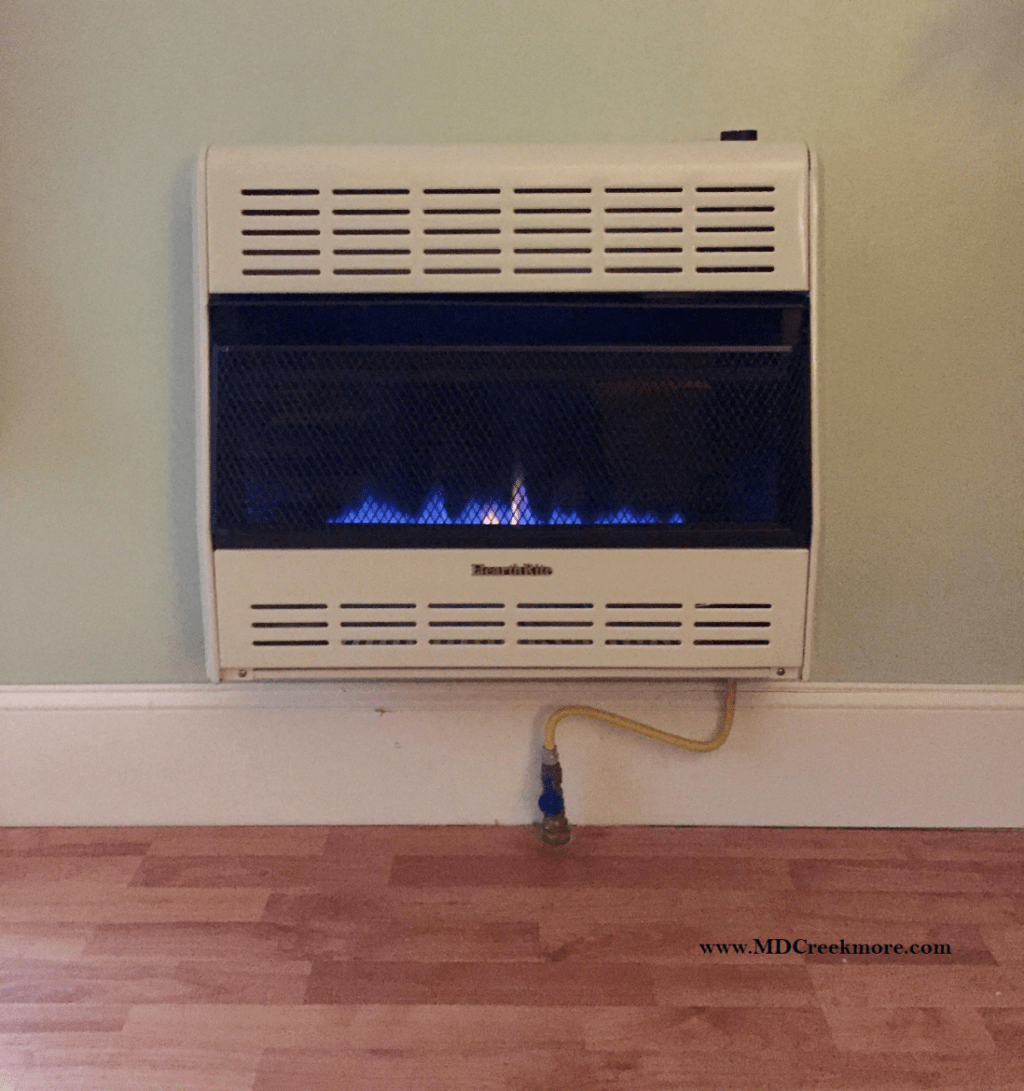
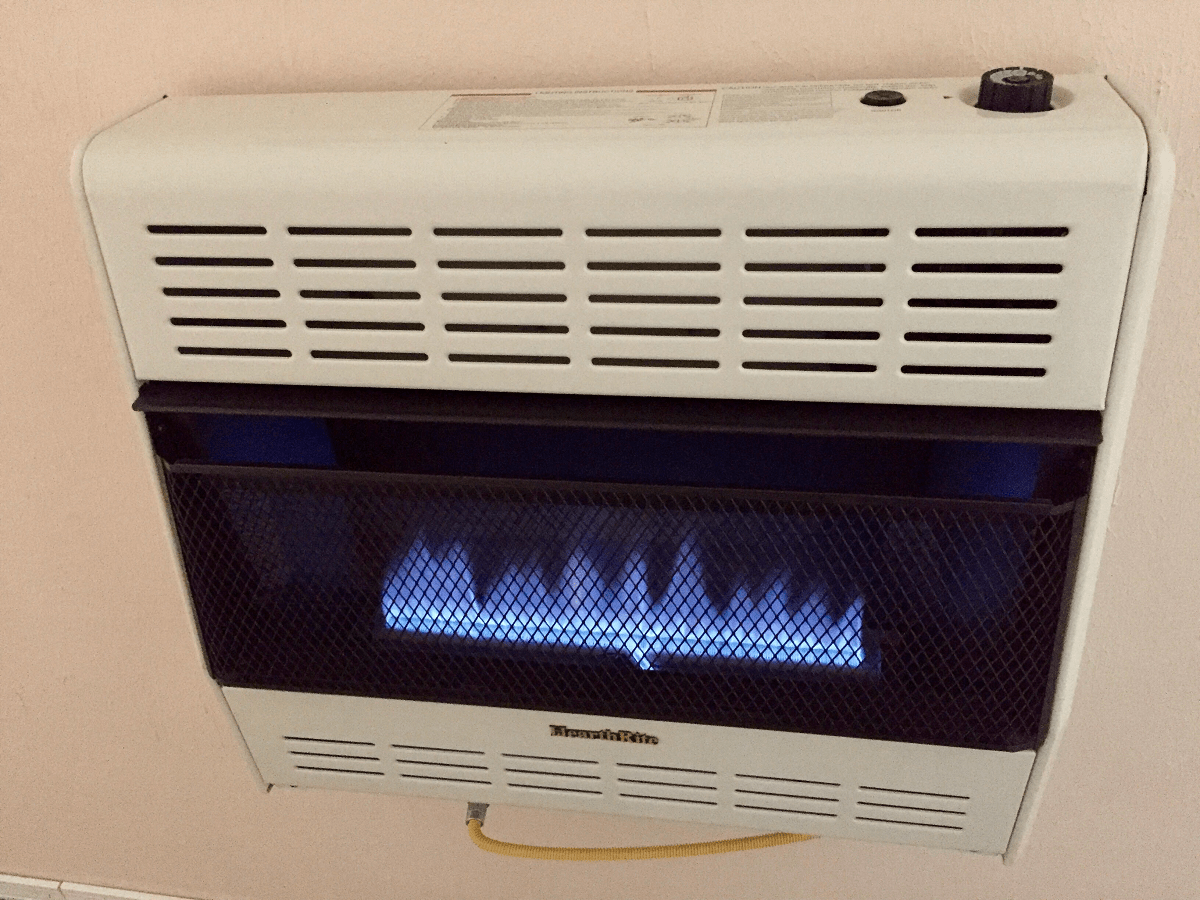
As you know I had natural gas hooked up at my house last month… and now I have this heater heating the upstairs…

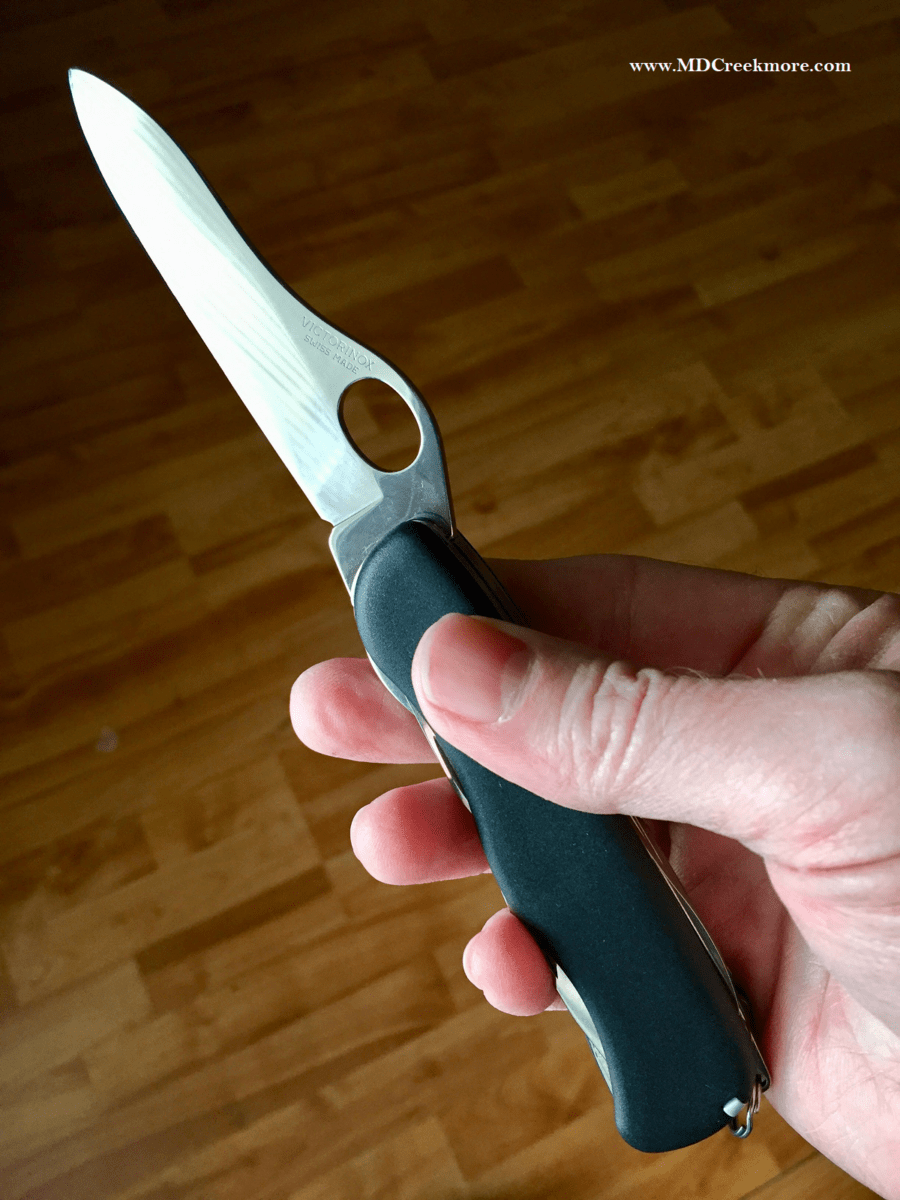
New knife – Victorinox Swiss Army One-Hand Trekker Multi-Tool Pocket Knife.
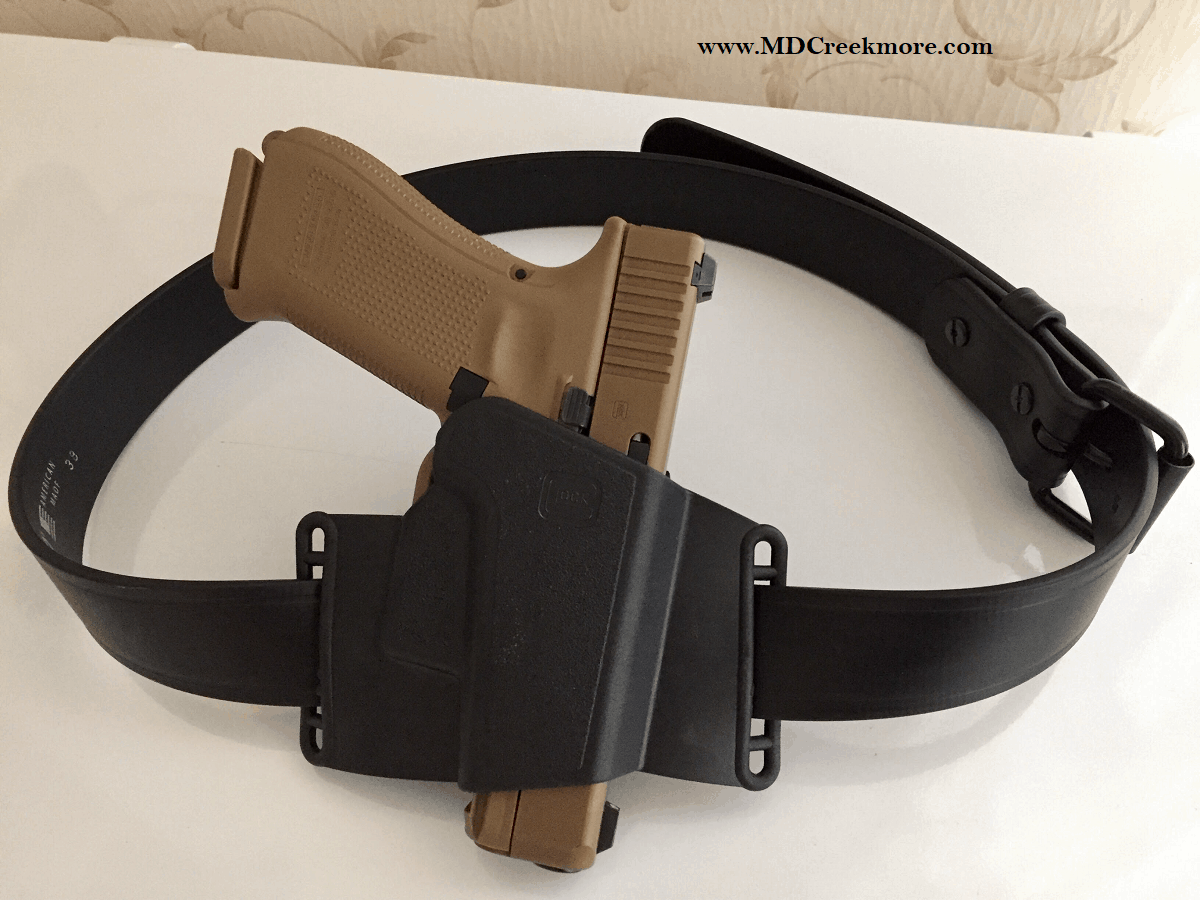
New belt – IndestructiBelt Tactical SuperBIO CCW Gun Holster Belt
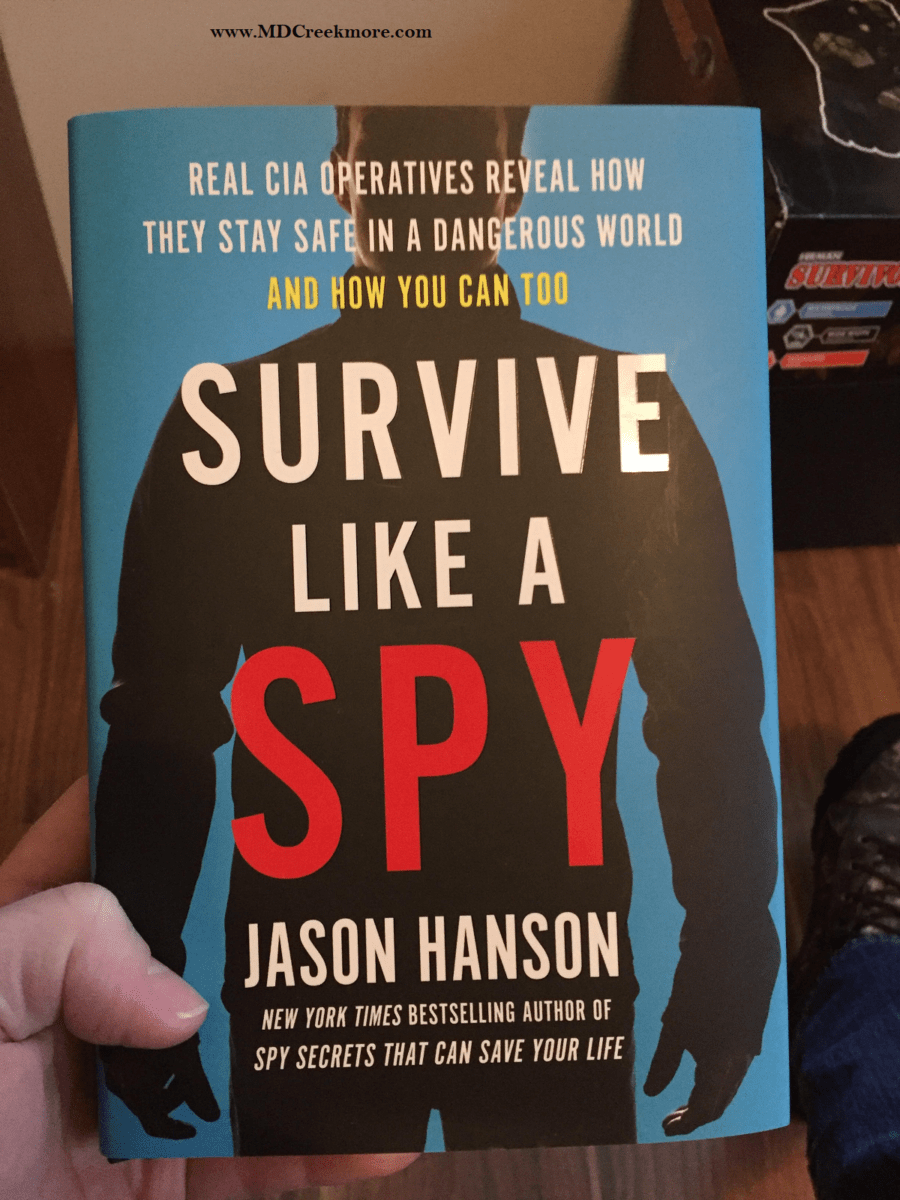
New book – Survive Like a Spy: Real CIA Operatives Reveal How They Stay Safe in a Dangerous World and How You Can Too… yes, I have a book addiction.
My hens finally started laying...
My hens finally started laying…
Make a Liberal Cry! The perfect Christmas gift for the Second Amendment supporter in your life – get it now by clicking this link.

Okay, that’s about it for me this month besides some random food storage items and replacing items that have been eaten… One more thing before I end this post… I plan on updating this site regularly and the best way to know when I publish a new article is to click on the bell that is in the lower right corner of the page and allow notifications, that way whenever I post something new you will be notified…

Filed Under: Uncategorized

  • « Go to Previous Page
  • Page 1
  • Interim pages omitted …
  • Page 5
  • Page 6
  • Page 7

Primary Sidebar

Subscribe to Blog via Email

Enter your email address to subscribe to this blog and receive notifications of new posts by email.

Join 7,202 other subscribers
  • Amazon
  • Facebook
  • Substack
  • Twitter
  • YouTube

“Do more with less.”

– Minimalist proverb

Recent Posts

  • Just so you know
  • Weather Update for My Corner of Appalachia
  • Why I’m Ordering Ivermectin + Mebendazole Every Year
  • The Website’s Shutting Down (But Here’s the Plan)
  • You Are Hated! Start Training Like It!

Footer

Recent Posts

  • Just so you know
  • Weather Update for My Corner of Appalachia
  • Why I’m Ordering Ivermectin + Mebendazole Every Year
  • The Website’s Shutting Down (But Here’s the Plan)
  • You Are Hated! Start Training Like It!

More about me

Books I’ve written

Books I’ve read

Follow Me on YouTube

Follow Me on Facebook

Gear I Use and Recommend

Newsletter

Search this site

Follow me elsewhere

  • Amazon
  • Facebook
  • Substack
  • Twitter
  • YouTube

© 2008–2025 M.D. Creekmore · As an Amazon Associate, I earn from qualifying purchases.