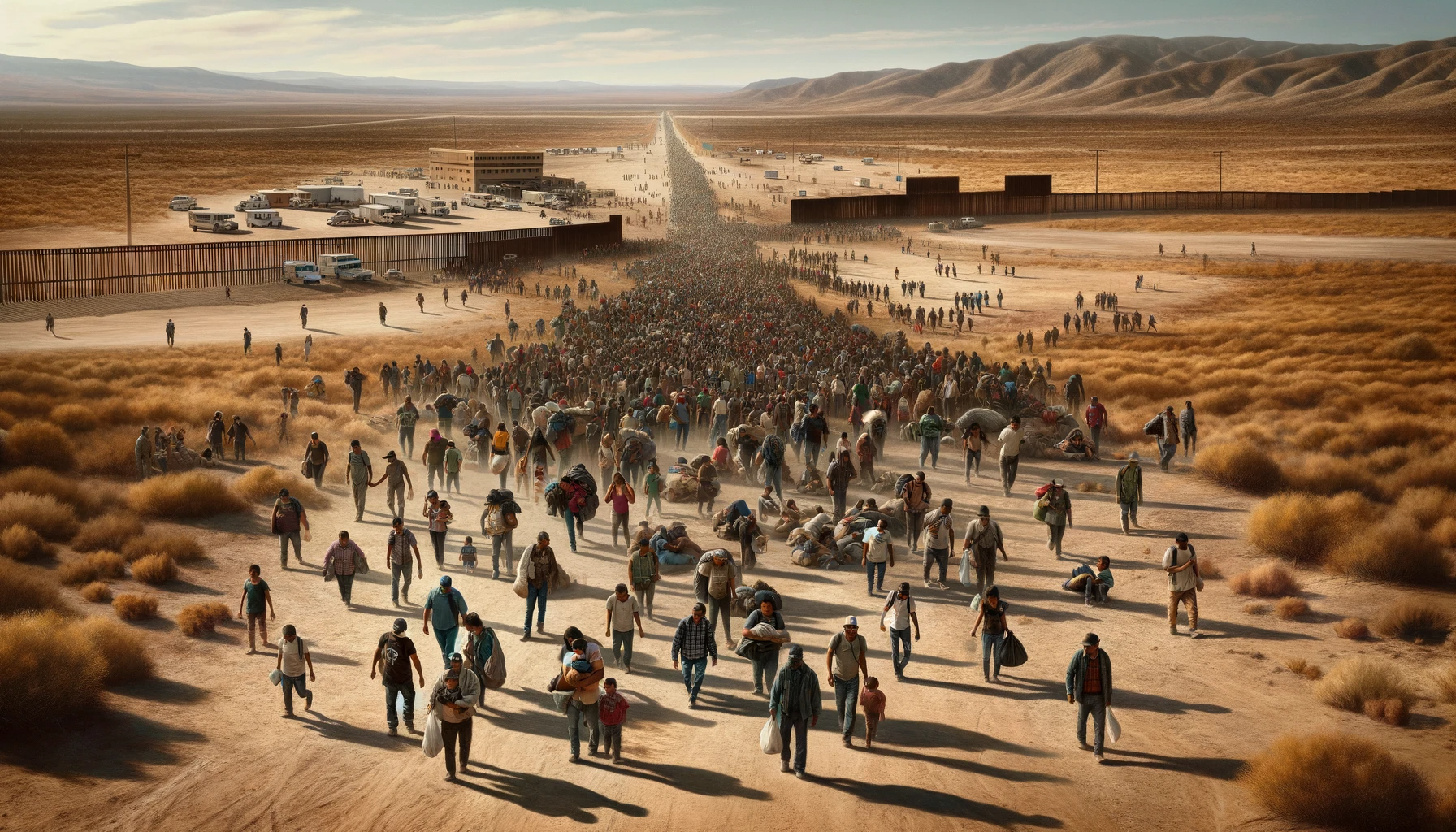
In the late 19th and early 20th centuries, Palestine (part of the land now called Israel) was a predominantly Arab land under Ottoman rule, where Arabs and a smaller Jewish minority lived side by side. However, the arrival of European Jewish immigrants, spurred by the Zionist movement, began to change the demographics. These immigrants sought to establish a Jewish homeland in Palestine (meaning take the land and take over), leading to growing tensions with the local Arab population.
The Balfour Declaration and British Role
In 1917, the British government, through the Balfour Declaration, promised to support the creation of a Jewish national home in Palestine, despite the wishes of the Arab majority. After World War I, Britain took control of Palestine under a mandate from the League of Nations, which only fueled further resentment among Palestinians, who saw this as a betrayal of their rights.
The UN Partition Plan and the Nakba
In 1947, the United Nations proposed a partition plan that would divide Palestine into separate Jewish and Arab states. Though the Jewish population made up about one-third of the people and owned less than 7% of the land, the plan allocated over half of Palestine to the Jews. Palestinians rejected this plan as unjust.
In 1948, when the State of Israel was declared, it was followed by war. Hundreds of thousands of Palestinians were forcibly displaced from their homes in a catastrophe known as the Nakba (“catastrophe”). Entire villages were depopulated and destroyed, and many Palestinians fled to neighboring countries or the Gaza Strip and West Bank, where they remain as refugees to this day.
The Ongoing Occupation and Gaza
Today, Palestinians in the West Bank and Gaza live under harsh conditions. Gaza, in particular, has been described as an “open-air prison,” where more than 2 million Palestinians are confined by an Israeli blockade. Movement is restricted, and basic necessities such as electricity, water, and medical care are scarce.
Palestinians view the creation of Israel as the result of a historical injustice, where their land was taken without their consent, and they continue to live under occupation, denied the right to return to their homes. Their struggle is for the right to self-determination, freedom, and justice in the land they consider their homeland.
And this is why we have this continued struggle in the area to this day. Let’s look at it like this: a group comes into your state and takes over by force, kills people in your family, your friends, takes your home, and moves you to a fenced-in area (an open-air prison) since 1947, and they have continued to be more and more abusive and oppressive. You would probably be pissed too.
Looking Back Thousands of Years
The loss of Jewish control over biblical Israel occurred in several stages over centuries, with key events marking significant shifts in power. Here’s a brief timeline:
1. Babylonian Conquest (586 BCE)
The first major loss of Jewish sovereignty came with the Babylonian conquest of the Kingdom of Judah in 586 BCE. The Babylonian king, Nebuchadnezzar II, destroyed Jerusalem and the First Temple, and exiled many Jews to Babylon. This event marks the beginning of the Jewish Babylonian Exile.
2. Persian Rule and Return to Zion (539 BCE)
In 539 BCE, the Persian Empire, led by Cyrus the Great, conquered Babylon. Cyrus allowed the Jews to return to Judah and rebuild the Second Temple, a period known as the Return to Zion. Although the Jews returned, they were under Persian rule and did not regain full political independence.
3. Hellenistic Period (332 BCE)
After the conquests of Alexander the Great in 332 BCE, the land of Israel came under Hellenistic control, first by the Ptolemies of Egypt and later by the Seleucids of Syria. The Jews experienced varying degrees of autonomy under Greek rule, but there were tensions, particularly under the Seleucids, who sought to impose Greek culture and religion.
4. Hasmonean Dynasty (164–63 BCE)
In 167 BCE, the Jewish Maccabean Revolt against the Seleucid Empire succeeded in reclaiming a degree of Jewish sovereignty. The Hasmonean Dynasty was established, and the Jews ruled much of the land for about a century. This was the last period of Jewish self-rule before the Roman period.
5. Roman Conquest (63 BCE)
In 63 BCE, the Roman general Pompey conquered Jerusalem, and the land became a client state of the Roman Empire. By 37 BCE, Herod the Great, a Roman-appointed king, ruled Judea. The Romans maintained control over the region, though Jewish rulers, like Herod, were allowed a degree of autonomy.
6. Destruction of the Second Temple (70 CE)
Jewish attempts to resist Roman rule culminated in the Great Jewish Revolt (66–73 CE). In 70 CE, Roman forces under Titus captured Jerusalem and destroyed the Second Temple, marking a critical loss of Jewish autonomy. This event devastated the Jewish population, and many were killed, enslaved, or exiled.
7. Bar Kokhba Revolt and Final Defeat (132–135 CE)
In 132 CE, Jews revolted again under the leadership of Simon Bar Kokhba. Initially successful, the revolt was crushed by the Romans in 135 CE. The Romans responded harshly, killing or exiling many Jews, renaming Jerusalem Aelia Capitolina, and renaming the region Syria Palaestina (from which the modern name “Palestine” derives). This marked the end of Jewish political control over the land for nearly two millennia until 1948.
Modern day Israel
Tel Aviv, Israel, is known for being one of the Middle East’s most welcoming cities for LGBTQIA+ residents and visitors, and it hosts one of the largest Pride celebrations in the world each year. Source.
Israel also offers state-funded abortions, making its abortion laws among the most liberal globally. Source.
According to the Pew Research Center’s 2020 survey, about 27% of Jews identify as having no religion… shocking I know.
In Judaism, Jesus Christ is not recognized as the Messiah or as divine, which contrasts with Christianity’s core belief that Jesus is the son of God and that, as Jesus said in the New Testament, “the only way to the Father is through me.” This theological difference highlights the distinct religious perspectives between Judaism and Christianity.
There have been reports of some attempts by Jewish individuals or groups to pass laws in Israel restricting missionary activities, including those of Christians. Source.
And, I know a lot of people are going to say it doesn’t matter Israel is Gods chosen and that strip of desert is Gods favorite place on this entire earth that he made because people from that region wrote it down as such on scrolls that were later translated into what we now know as the Bible…
However, the New Testament states:
- Galatians 3:28 (NIV): “There is neither Jew nor Gentile, neither slave nor free, neither male nor female, for you are all one in Christ Jesus.”In this passage, Paul emphasizes that in Christ, traditional social and ethnic distinctions are transcended, and all believers are equal.
- Romans 10:12 (NIV): “For there is no difference between Jew and Gentile— the same Lord is Lord of all and richly blesses all who call on him.”Paul points out that salvation and God’s blessings are available to everyone, regardless of ethnic or cultural background.
- Ephesians 2:14-16 (NIV): “For he himself is our peace, who has made the two groups one and has destroyed the barrier, the dividing wall of hostility, by setting aside in his flesh the law with its commands and regulations. His purpose was to create in himself one new humanity out of the two, thus making peace, and in one body to reconcile both of them to God through the cross, by which he put to death their hostility.”This passage reflects Paul’s teaching that Jesus’ death and resurrection have broken down the divisions between Jews and Gentiles, creating a unified community in Christ.
John 14:6: “Jesus answered, ‘I am the way and the truth and the life. No one comes to the Father except through me.’”
In John 8:44, during a heated exchange with some of the Jewish leaders, Jesus says, “You are of your father the devil, and your will is to do your father’s desires.”
And, no I don’t want Israel to be attacked or for them to attack anyone else… I wish that they could all live in peace, however, a lot of Christians seem to worship the nation state thinking it represents God when that isn’t the case. They are just as sinful and corrupt as the U.S. and the world are. I know it’s not popular but then facts that go against preconceived beliefs seldom are.

Like I’ve said before… WE ARE BEING PLAYED! Trump and Harris are both part of the same team and controlled by the same people. Most people can’t see it because they want to believe they have someone on their side in DC. But you don’t!