• Skip to main content
  • Skip to secondary navigation
  • Skip to primary sidebar
  • Skip to footer

M.D. CREEKMORE

  • Blog
  • Books
  • Newsletter
  • Gear I Use
  • About
  • Contact
  • Facebook
  • YouTube
  • Blog
  • Books
  • Newsletter
  • Gear I Use
  • About
  • Contact
  • Privacy Policy
You are here: Home / Archives for Uncategorized

Uncategorized

Here you will find articles that don't fall into another category (or that I forgot to assign a category to), so look out you might find anything here!

Last Month On The Homestead

December 6, 2018 M.D. Creekmore

Well, folks, as they say, it’s better late than never… well, yeah, they (people in general) do say that and it’s true sometimes but not always but then that’s another subject all to itself. Anyways, I should have posted this at the end of November, but things got in the way and I got lost with other projects… namely my other sites that I’ve started.

Why did I start other sites you ask? Well, that’s a good question and let’s talk about that a little right now…

Over the last couple of years, the interest in prepping has taken an immense downturn. Several things have caused this downturn in interest despite the fact that we are in more danger now than we were two years ago… you ask, how’s that? How are we in more danger now than we were two years ago?

After all, Donald Trump is in the Whitehouse and everything is just peaches and mega awesome! We have nothing to worry about now and there isn’t any need to prep anymore because absolutely nothing is going to happen with President Donald Trump at the controls and even if it does he will personally come in on his white horse and rescue you and your family, so you don’t need to prep anymore.

Just take it easy and relax… drink beer, watch the ball games, and go spend your dollars on fancy expensive dinners and shiny trinkets because all is well on the Trump train. Let’s just forget about the nearly twenty-two trillion and growing national debt.

And let’s not forget about the EMP threat… yeah, the threat is still there. Oh, yeah, and the threat of a second Civil War, a war that according to U.S.A. Today a third of Americans think is coming…

And, guess what…Russian hackers are still probing the U.S. power grid as are other nations… and I’m sure that we are doing the same thing to them. Please, read Ted Kopple’s book Lights Out: A Cyberattack, A Nation Unprepared, Surviving the Aftermath!

And, let’s not forget that a hundred years ago, the 1918 H1N1 pandemic swept the globe infecting about a third of the world’s population and killing 50 million to 100 million people… and according to people in the know, it will happen again. Yes, it will happen again, think about it! Common sense people – just because a Republican is in the White House doesn’t mean that all is well and that you can just stop prepping – that’s foolish.

But most people don’t want to think about any of this or they want to pretend that it can’t or won’t happen and even if it does they want to think that they have a savior in the White House that will swoop in and save them before it gets too bad so all that they need to do is sit on their butt and watch the ball games, drink beer and eat potato chips.

People don’t want to think about this stuff because it’s scary and it’s easier for them to convince themselves that nothing is going ever to happen… eat, drink and be happy… all is good. Well, reality check… all isn’t good!

Yes, I voted for Donald Trump against Hillary, but I have enough sense to know that he isn’t Gsome superhuman or a God and really doesn’t have much if any control over most of the threats that could send us spiraling into TEOTWAWKI. Yet, when I talk to people it seems that many have put the man on a God status pedestal when in fact he is only a man and when I speak up and say that and that we still need to be prepping no matter what people give me “that look”, you know the look…

If you stopped prepping because Donald Trump was elected president then you need to pull your head out of your rear-end! All of the threats are still there and other threats are emerging and or becoming more likely to happen! And let’s remember that the presidential election is less than two years away – will Donald Trump win the White House again, will he even run again? I don’t know, but one thing is certain and that is if Donald Trump doesn’t win come November 2020 that a far left liberal or socialist will. Then what?

If anything the election of Donald Trump might have bought us a little more time to prep before the balloon goes up and that’s all… maybe… maybe, not. But the fact of the matter is that the balloon is going to go up and it’s going to pop hard! Will you be ready?

Sadly many have decided to not use this time wisely and instead are sitting on their butts doing nothing to prepare themselves or their family for what is coming. Sure, it’s scary… sure it’s hard… sure you have to get up off the couch and do something, but you had better get with it or suffer the consequences of your laziness and inaction.

And then there are those who stopped prepping because they don’t think prepping is “cool” anymore. When all of the prepping reality shows where flashing on the TV screen nearly every evening some people watching decided the prepping must be cool and so they decided that if it’s on TV and others are doing it that it must be cool and as a result, they themselves started prepping…

Well, after a few seasons those reality TV prepper shows stopped coming on and now not even reruns are being aired. I’m not sure why the shows stopped airing, maybe they couldn’t find anyone else that wanted to have their preps shown over on national television, maybe, it was because the rating slumped, or just maybe “the powers that be” saw that the shows were causing an increase in awareness and that growing awareness was causing the “prepper movement” to grow and they wanted to stifle it.

I’m not sure why the doomsday preppers type shows ended… but it is kinda suspicious that nearly, all of them ended at approximately the same time, however, I do know that it caused a huge decline in interest in preparedness. But that doesn’t mean that the threats and need to prepare aren’t there still. The threats are still there and I think that we are in worse danger of a major SHTF even than we were two or three years ago.

Even when prepping was the “cool and the thing to do” far too many people were “pretend preppers” who liked to read all of the prepper blogs and comment about this that and the other thing, while not really doing anything or very little actual prepping. It’s easier to pretend and or procrastinate than to actually do anything but that doesn’t make the lack of preparation any less dangerous.

Okay, now back to my starting point… why haven’t I been updating this site ten plus times a week like I used to? Because the interest hasn’t been there, so why spend hours and hours every week writing and editing content that few will read? So, I decided that during this “prepping interest slump” that I’d use the time to work on a couple of other projects that I’ve been wanting to work on namely my concealed carry blog at Concealed Carry Today and my newest site Knife Law Insider.

Anyway, things change and I’m starting to see an uptick in traffic and more interest in prepping over the past month or so and that’s great, hopefully, some folks are beginning to wake up once again and that’s great. The more folks who prep the better off we will all be when the balloon goes up… but I have this nagging feeling that time is running out. We might have another year before things start to get really bad and then a domino effect into total economic collapse.

But I digress, sorry that I went on a “rant” of sorts but some things need to be said, or at least I needed to get it off my chest take it for what you want… as they say chew the meat and spit out the bones. Anyways, what have I been doing to prep over the past few weeks… well, let’s see…
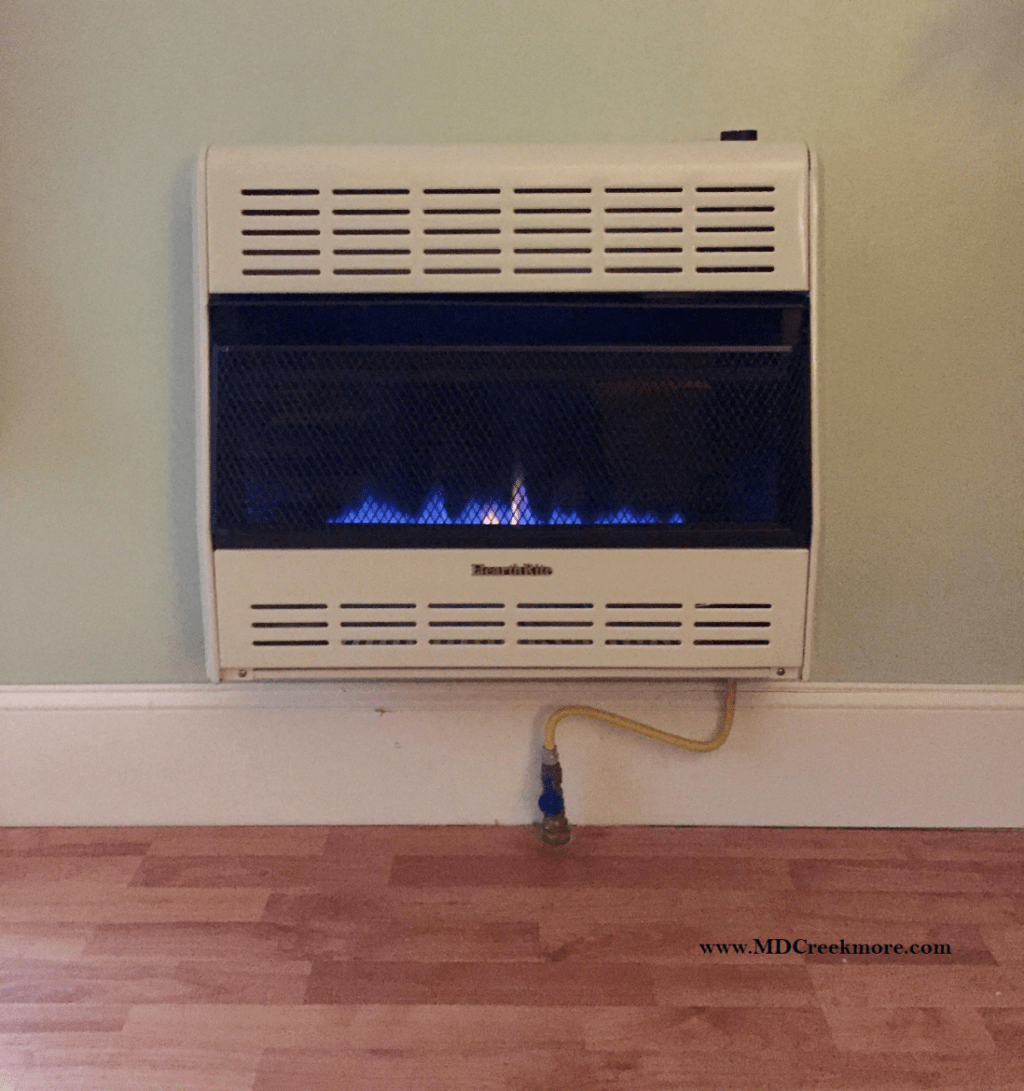
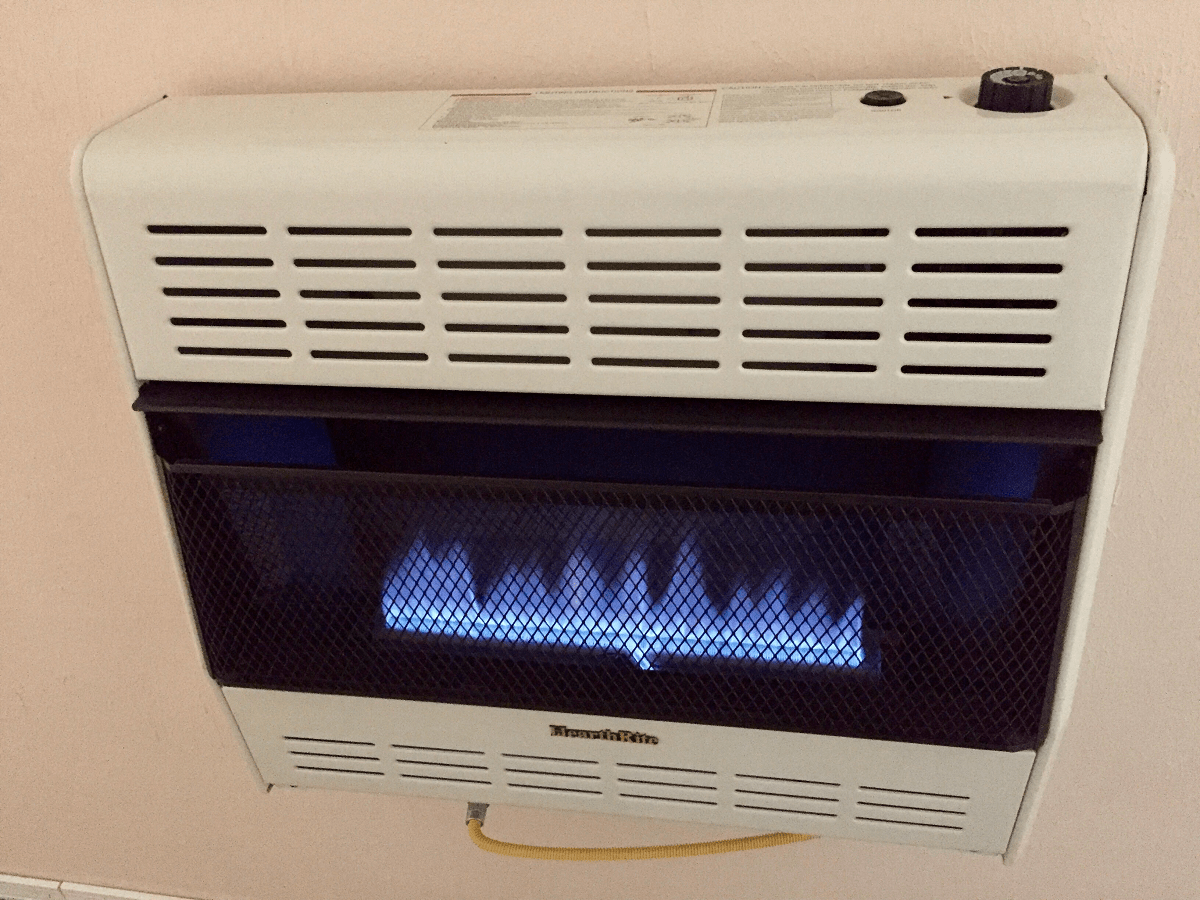
As you know I had natural gas hooked up at my house last month… and now I have this heater heating the upstairs…

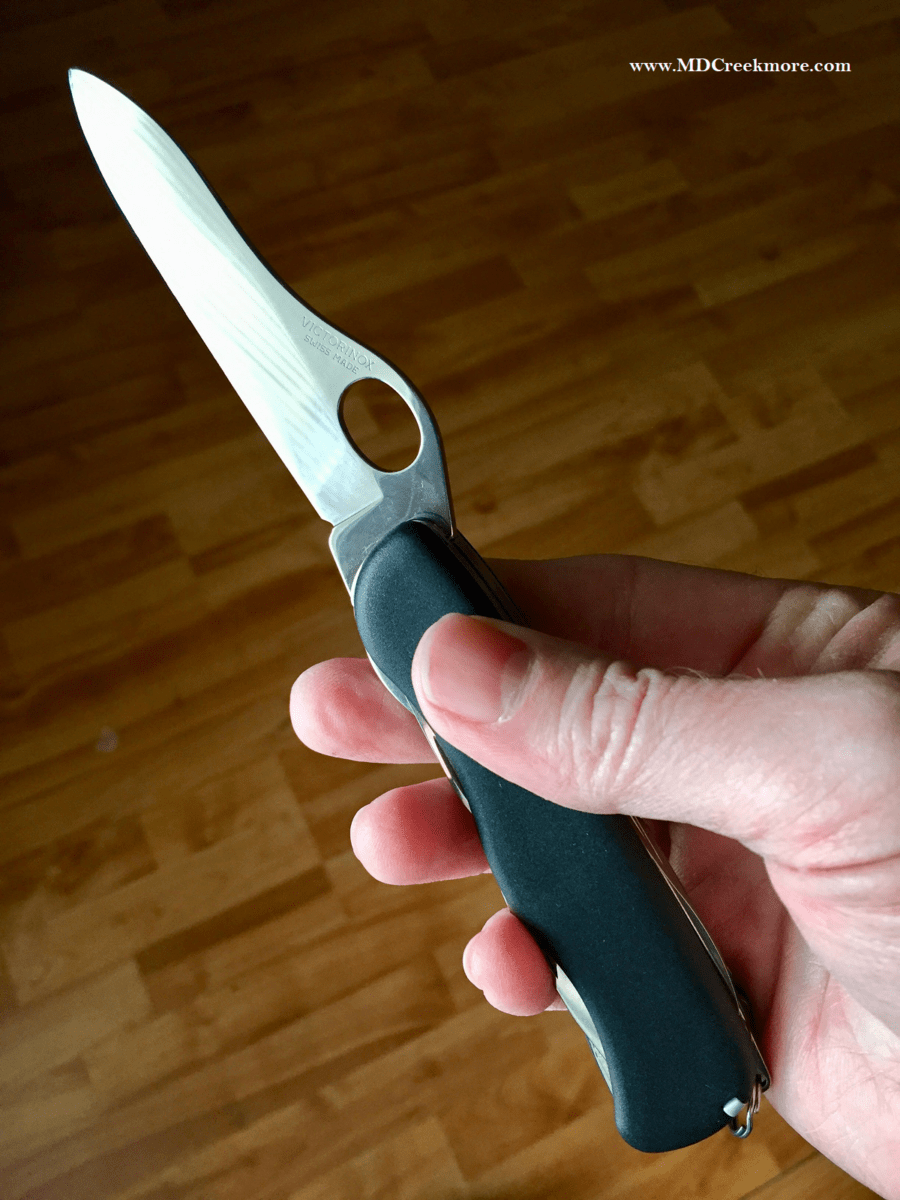
New knife – Victorinox Swiss Army One-Hand Trekker Multi-Tool Pocket Knife.
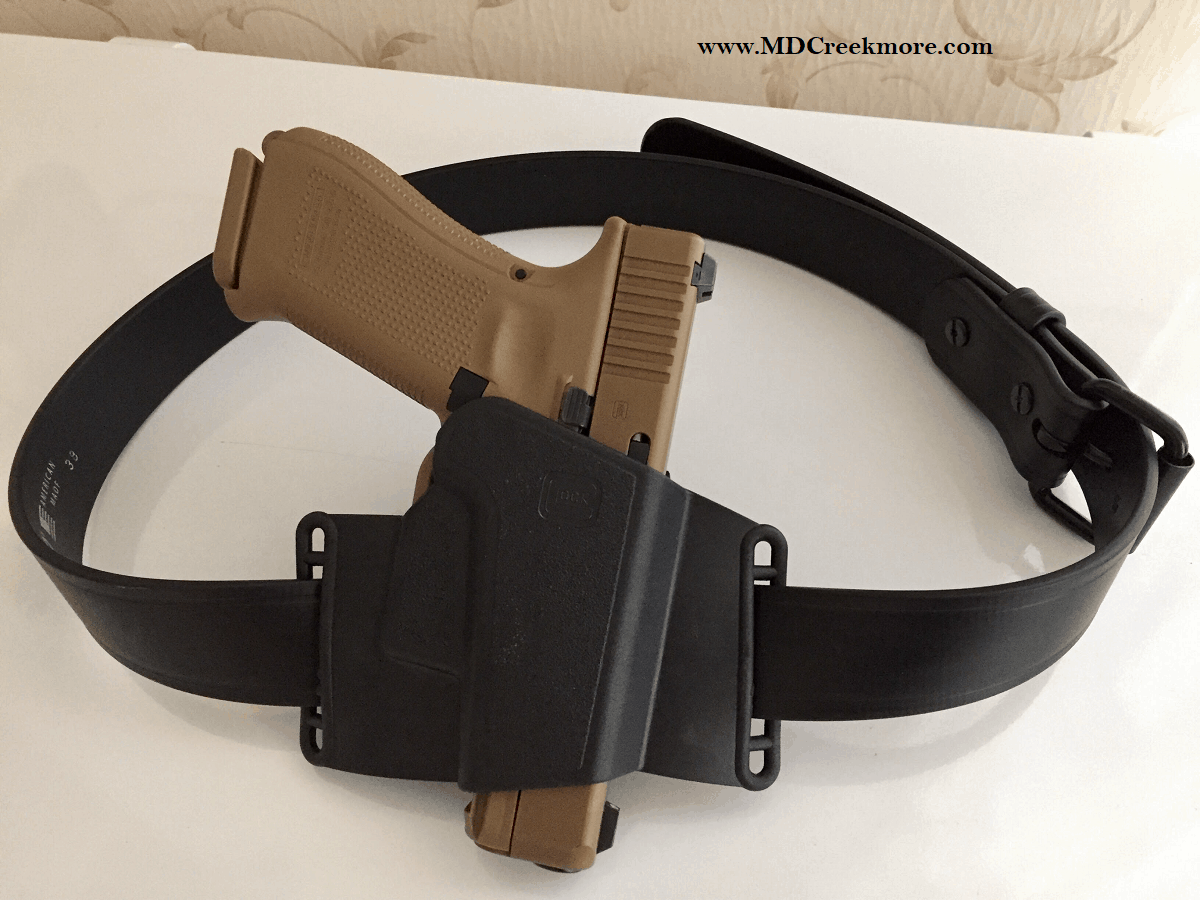
New belt – IndestructiBelt Tactical SuperBIO CCW Gun Holster Belt
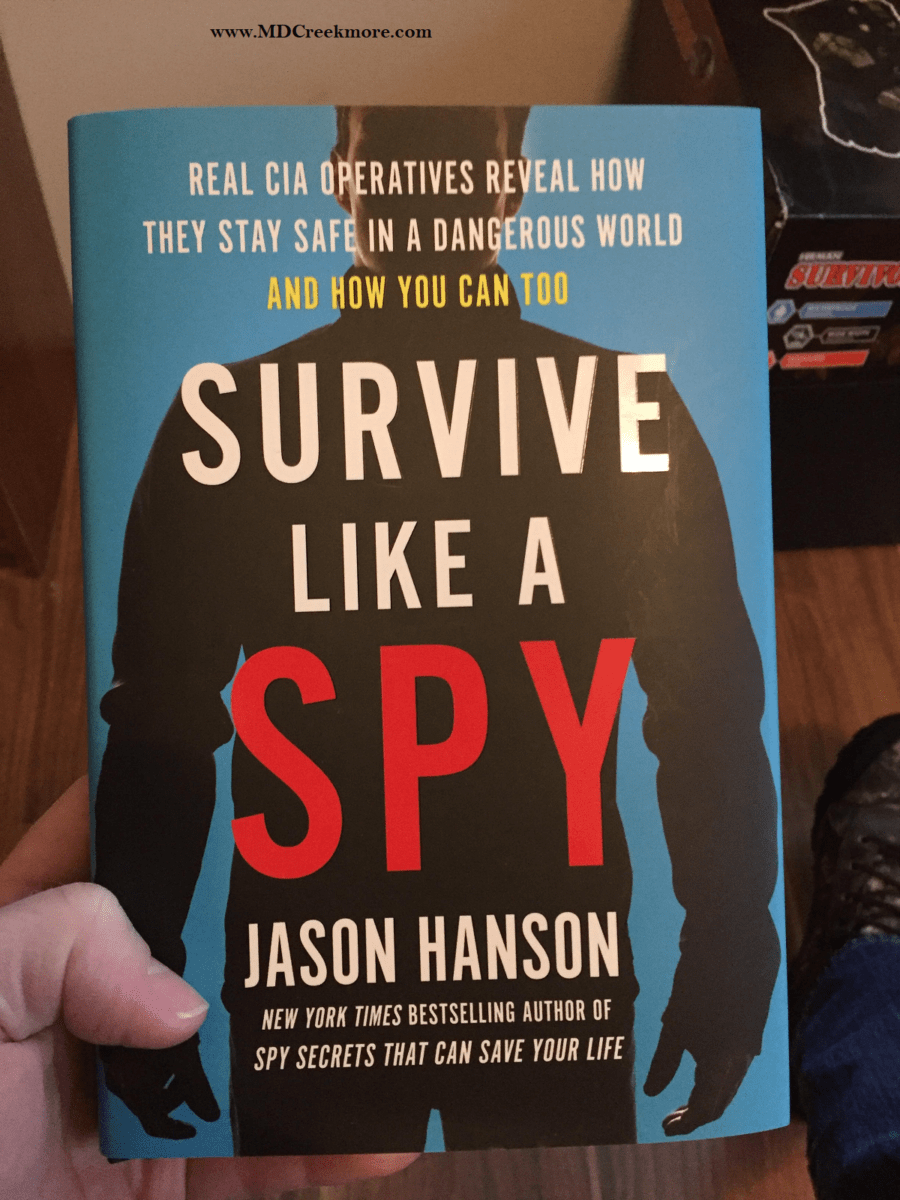
New book – Survive Like a Spy: Real CIA Operatives Reveal How They Stay Safe in a Dangerous World and How You Can Too… yes, I have a book addiction.
My hens finally started laying...
My hens finally started laying…
Make a Liberal Cry! The perfect Christmas gift for the Second Amendment supporter in your life – get it now by clicking this link.

Okay, that’s about it for me this month besides some random food storage items and replacing items that have been eaten… One more thing before I end this post… I plan on updating this site regularly and the best way to know when I publish a new article is to click on the bell that is in the lower right corner of the page and allow notifications, that way whenever I post something new you will be notified…
Filed Under: Uncategorized

How to Drive On The Interstate And Survive (Maybe)!

October 13, 2018 M.D. Creekmore

How to drive on the interstateby BCtruck – YouTube

Hi folks, I’m going to give writing an article, another try. While reading the rules for the writing contest I noticed where MD was encouraging people to submit articles, the words “we all have something to offer” struck a chord with me. I spent the largest part of my life driving an 18 wheeler long-haul (over the road). I started in 1977 when I joined the army and I’ve driven one till just recently when I decided to hang it up. Consequently, I’ve learned a thing or two about surviving, driving.

The first thing I will do is break the dangers down that we all face while driving. Those are:

  • Weather
  • speed
  • Impatience
  • egos
  • drunk/drugged drivers
  • inattentiveness
  • sudden equipment failure
  • Construction
  • Complacency

First, If you don’t mind, I would like to toot my horn just a little in the hopes that I can convey to you, what I think qualifies me to give advice on a subject that is often a matter of life and death. From 1980 until 1990, I drove about 120,000 miles a year for a total of 1.2 million miles.

From 1990 until 2010, I drove with my wife sharing the driving duties. In those 20 years, my wife and I put over 4 million miles on several different trucks. One truck we put 1.6 million miles on before we sold it. In all those miles I only had a couple of speeding tickets, no accidents or wrecks of any kind, no log book violations.

My wife had one speeding ticket (57 in a 55 in Littlerock) One incident with a deer in Jackson Mississippi and no logbook violations. I’m proud of my driving record and I’m proud of how well I maintained my equipment.OK, thanks for indulging me. Now let’s get after it!

Weather:

We can’t control it so we have two options. Don’t drive in it, or drive in a fashion that is commensurate to the danger presented by the weather. For instance, rain requires less concern than snow, and snow less than ice. However, I’ve been on roads that had been rained on all day and as the sun went down the road surface froze making it not just a possibility, but a likelihood that a skid off would occur.

My solution to ice, was never ever drive on it unless it turned to ice while i was driving, and then I drove only long enough to find a safe place to park to wait for warmer temps or salt trucks to work their magic.No destination, no type of freight was so important that i would risk the lives of other folks, my equipment, or my own life. You can’t drive safe on the ice. It can’t be done without risk that is greater than the need.

Snow:

There are different types of snow. Snow that is wet and heavy is actually fairly easy to drive safely on, provided you use good judgement when choosing a speed and being prepared to adjust that speed as conditions change. Also, planning your lane changes and exits from the highway well in advance and in such a fashion that your need for lane changes doesnt affect the speed or direction of travel of other motorists.

Maintaining your own safe speed and planning your moves in advance is equally as important as not forcing others to make sudden changes in lane or speed. Snow that is very dry is much easier to lose traction on. My philosophy about snow was, if I can drive without endangering others or my equipment, ill drive.

If it was bad enough for chains, I didn’t drive unless it was to cross a mountain pass like Donner, or get to a safe place and wait for conditions to improve. There is an old truckers adage that goes like this,” you can to slow as often as you like, but you can only go to fast once”. I lived by that.

Speed:

We all get in a hurry. We all have had things that happened to make us late for appointments. The problem with speed is, no one else knows about, or for that matter really cares what problem you had that made you need to speed, and speeding actually does very little to negate the problems you had that you feel necessitate the need for speed.

My advice to those that are in front of an angry late person who wants to go faster than you, is move over and let them go. Passivity on the highway goes a long way in making a problem driver go away and perhaps save you from being a victim of road rage.

I’ll tell a short story about speeders. For the last 11 years of my driving career, my wife and i ran a grueling 6800 mile a week route over and over on the same highways at the same times. We found the same people passing us over and over throughout the day and we almost always ended up at the same stops, at the same time. slow and steady saves fuel, stress, and wins the race.

Impatience: Again, most of us have had things that make us late, but there are people out there that completely fall apart mentally when they are under the stress of facing a boss who will want to know why, or a potential client that will be getting a bad first impression based lateness. I’ve seen first hand, impatience make people do absolutely unbelievable things on the highway. Ive also seen a lot of death caused by impatient folks who made driving decisions based on anger. My advice is the same with angry speeders, move over,  don’t make eye contact. That is a challenge to some people. It’s about arriving in one peace, not about saving face or fighting back.

Egos:

All those years of driving taught me one thing that is incontravertible: you can find out anything you ever wanted to know about persons psyche, by watching them drive. There is something about the anonymity of a car and the power of a steering wheel, that brings out people’s truest, most inner character that they might otherwise try to keep hidden.

Driving allows Out of control egos, people who are otherwise constrained by society and its basic need for politeness, to let out their inner demon. these people are to be avoided at all costs and ive actually seen first hand one out of control ego meet another out of control ego, at 80 miles an hour. Its never pretty.

Be safe, don’t fall victim to the “by God, I know my rights” mentality. It will get you killed by those who couldn’t care less about your rights, life, or anyone else on the highway. If they don’t care about their own life, they certainly don’t care about yours.

Drunk/drugged drivers:

In this modern society, with a pill for everything and alcohol in convenient containers. Drunks and druggies are driving amongst us every mile of any highway we are on. Some of these drugs are prescribed by doctors so people who have mental disorders can function in a society that recognizes immediately if someone “aint quite right”. Unfortunately, these drugs that might help some folks, are easily and often abused and consumed with alcohol.

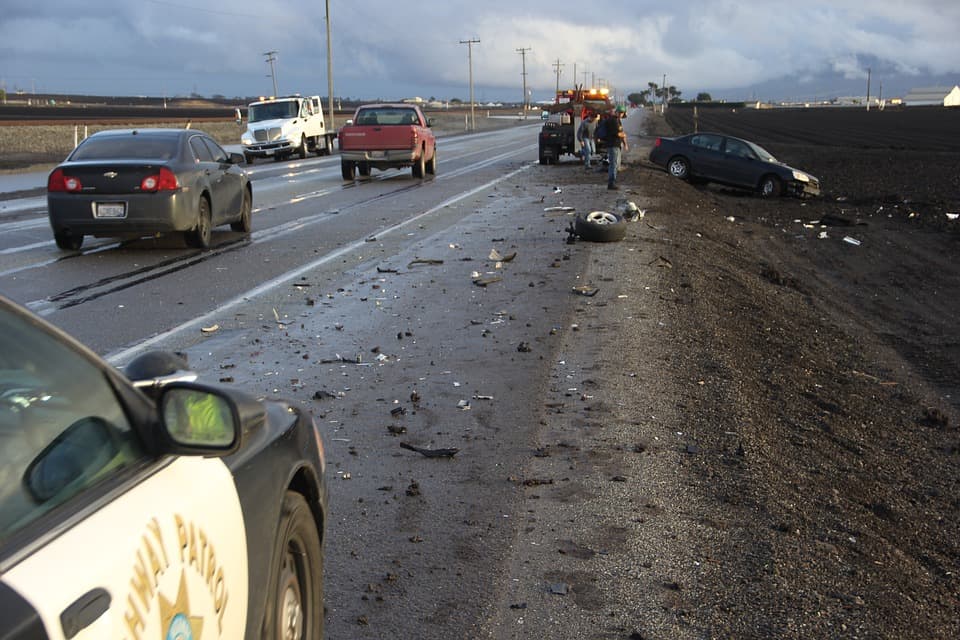
car-accident

Over the years I developed a keen eye for picking out drivers who were clearly under the influence of something that altered their behavior and judgement. Sudden lane changes for no reason, extreme speed fluctuations.

I even noticed that people who drove cars that were in obvious states of disrepair, were more often the ones that would be under the influence of something. I’m not saying having an older, payed for car means you’re a druggy or drunk, but it is one of the things I used to determine the likely hood of impairment and I was correct, more often than wrong.

Someone who gets on the interstate with broken shocks, cracked windshield and lights not working, are often spending their money on drugs or booze and not car repairs or for that matter, INSURANCE! Be very wary of them. They have nothing to lose and could not care less about damaging your car or leaving you with enormous hospital bills.

Inattentiveness:

If you have a phone, I will call you a liar if you say you’ve never made a call or accepted a call while rolling down the road……. ok , just me? The fact is, as the world changes, we have to adapt to those changes by being extra alert and vigilant. Texting, talking on the phone, messing with complicated stereos and navigation equipment, takes attention from the most important thing you are doing.

I think we’ve all realized this and maybe some of us have even made efforts to try to make ourselves safer from the inattentiveness that goes with technology by looking closely at people in our mirrors and glancing at them when they pass. You can do a lot to enhance your safety, just by recognizing those who aren’t paying attention to their driving and may have a cell phone stuck to their ear.

Increase following distance if your behind them, slow down to a point where they just have to pass you if you are in front of them and don’t be beside them when they realize they are in the left lane and want to turn into the walmart on their right.

Equipment failure: It happens to every machine eventually. Its just the nature of machinery to occasionally fail. For instance, you are driving over a two lane bridge with no emergency lane and suddenly your car stalls. There you are, can’t go forward, rolling backward will make it even worse.

What do you do? Fist and foremost is get your family out and in front of your vehicle by a couple hundred feet. Then do what ever it takes to get the attention of cars coming up behind you to recognize that there is a problem (of course you’ve already put your emergency flashers on). When you are certain that folks coming up behind you, see your car is disabled, then you can make repairs or call the police to direct traffic until a tow truck gets there.

This reminds me of something that non truckers might not realize. Tires on 18 wheelers are prone to Throwing their caps off, while going down the road. I hated caps and never ever used them. It was quite a bit more expensive, but i alway bought new tires.

Sadly, recapped tires are a fact of life and what you don’t know can kill you. I drive on the highway in my pickup and i never “hangout” near an 18 wheeler. I either pass quickly, or if i cant pass, i wait for traffic to clear beside him and pass only when I can get all the way around him. Those caps coming off will go clean through a windshield and do major damage to a vehicle.

Don’t follow an 18 wheeler any closer than you feel you can react if one comes off. Trucks see a lot of miles everyday and the profit margin is so slim that there are a lot of drivers who choose cash in their pocket over properly maintaining their equipment. It’s just human nature I suppose.

There aren’t many who get away with bad maintenance for very long before they are caught by the DOT, but in between those time, a lot can happen. Dont ever be afraid to call the state police and report a truck that has obvious defects that could hurt folks. Other truckers do it, and we all want to be safe on the road.

Construction: Its everywhere! Its everywhere!! You have two types of people whenever you lose a lane or come up on sudden construction. You have those that immediately recognize the need for a decrease in speed and enhanced attentiveness, and you have those who see an easy opening to get ahead of a whole bunch of people who care about others. Don’t fight them. Don’t react to them. let them pass and just keep doing what you know is right. You can’t change the world, its evilness or right a wrong, with your car.

Complacency: When you do something over and over, a part of your brain that manages redundant tasks, takes over the mundane repetitive act of driving and allows the rest of your brain get up and roam about the cabin. DON’T DO IT!!! Truckers fall prey to the natural way the brain works frequently.

When (not if) you find yourself falling victim to complacency, you lose your edge, your attention to what lays around the next bend or a car on the side of the road that just had its hood closed and the driver door shut. Always Always, look as far down the road as your eyes can see and never-never never fall into complacency.

Thanks for reading folks. I think I’ll do an article about staying safe from bipedal predators while on the road at a later date and if its something you might like to hear about. peace love and groovy, BC.

You can find my YouTube Channel Here.

Filed Under: Uncategorized

We Are All Going To Die! Here Is How To Prepare For It.

October 13, 2018 M.D. Creekmore

how-prepare-for-deathby Lake Lili

None of us really ever want to believe that our lives will end.  We prep so that we have covered our bases for our survival and that of our loved ones.  Most of us hope that we have put things right with our families and right with Our Heavenly Father before our time comes.  Sometimes it is not possible to do, and sometimes we are forced to rely on the decision making of others, at a time when we most want control of those decisions.

As you age, who do you want making your decisions for you?  Think about it hard.  Sit down with a pad and pen and do some planning.  Do you have your will put together?  Who is inheriting all your preps?  Do you want to live on a respirator?

Have surgery for cancer at the age of 95?  Do you have one child who will let you go and another who wants you to live through every heroic measure?  Time to think it through…  Time to do some communicating…

Look at this as another form of prepping.

  1.  Make an appointment with your doctor and get a baseline on your health.  Make sure that your doctor knows your family history and that you follow-up on all the tests the doctor wants done.  Then stop fooling yourself and accept the hand you are dealt.
  2. Work with your doctor to make yourself as healthy as possible and start doing the things that you know you need to be doing anyways – eat right, quit smoking, lower your alcohol consumption, and exercise regularly – and no fooling yourself into thinking that walking the dog down to the end of the block and back is exercise.  It’s not.  It doesn’t count.

So when you have got all of those basics under control the next conversation you need to have with your doctor is about the laws in your province or state regarding medical powers of attorney and living wills.  In Newfoundland where I live you need to have an Advance Health Care Directive (AHCD) written that names your Substitute Decision Maker (SDM), and a back-up.

In it you need to address issues like blood transfusions, organ donations, surgical interventions, long-term care options and Do Not Resuscitate (DNR) orders.  DNRs, however, do require a separately completed form, which you can get from your doctor.  The AHCD will not apply in the event of an emergency (car accident) or if you are involuntarily committed for psychiatric care.

If your SDM declines the role at the time, then the Province will appoint your doctor as your SDM.  So, all the more reason for you to have a good relationship with your doctor and for him to know what you want.  In Newfoundland, Living Wills & Powers of Attorney do not apply to medical issues.  Newfoundland will recognize the legality of the paperwork completed in other Provinces if you are visiting, but if you live here for longer than 6-months then you need to get the proper paperwork completed.

In Ontario, you need to have a Power of Attorney for Personal Care (POAPC) that covers your personal decisions, such as housing and healthcare.   However, you will require a living will to communicate your wishes should you become sick and unable to communicate your wishes.

Most often people write a living will saying that they do not want to be kept alive by artificial means should they have no hope of recovery. Technically this makes the living will an “advance directive”.  Even with an advance directive, Ontario still requires the completion of a DNR form.

When the Power of Attorney and an advance directive living will are combined it is called a Proxy Directive.  All of which tells you that when it comes to healthcare and possible end of life scenarios, governments will make it as complicated as possible so as to ensure that they cannot be held liable by your heirs.

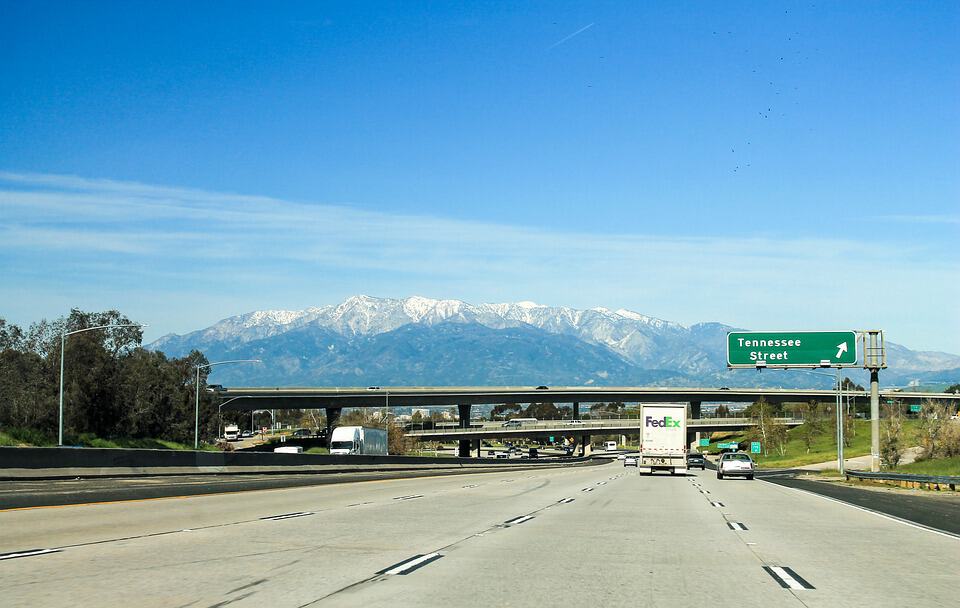
In Tennessee, the laws allow for advance directives for health care decision making.  The directives can be called the “Living Will” or “Advance Care Plan” and the “Medical Power of Attorney” or “Appointment of Health Care Agent”.  The forms that need to be completed are here: https://health.state.tn.us/AdvanceDirectives/

We are a transient society and laws seem to change and evolve quickly in this area, so check your paperwork and ensure that it still meets your provincial or state laws. They are all different too.  So if you live in Tennessee but spend large amounts of time in Florida or Arizona, then you need to make sure the correct forms are completed for those locations too.

You may also need to check and ensure that the medical coverage you are denying in your AHCD will not invalidate your health care coverage.  It may be in writing somewhere in the fine print but talk to your medical insurer and get it in writing.

Once all of that is done sit down with the family member you want to designate your substitute decision maker.  If they agree make sure that they understand your reasoning and that your request will not conflict with their personal or religious beliefs.  Have them sign-off on all the paperwork, so that it is understood that you have reviewed these directives with them and that they are understood.

Now it’s time to go talk to the rest of the family.  Some will be offended but most will understand and be relieved that they will not be required to make end of life decisions.  But now is the time to find out if someone is going to make a fuss about your directives and get it ironed out.

So you have been to the doctor, you are working to get healthy, you’ve talked to all the family, and you have all your paperwork completed.  There are a couple of things you now need to do with that paperwork.

  1. File a copy with your lawyers so they have it with your will (and get one of those if you don’t have it.  After all you have worked so hard on your preps, make sure they will go to a good home)
  2. Give your SDMa copy for their records.
  3. Make sure you talk with your family and friends so that they know who you have designated as your SDM.  Also, tell them about your medical decisions – again argue it out now so that are not fighting you SDM.
  4. Give a copy to your doctor so that it is in your medical file.
  5. Contact your health insurer and give them a copy.
  6. If you have a file at a local hospital, walk into their admissions area and ask them to add a copy of the paperwork to your file.
  7. In Canada, our passports have a scan feature that can hold files.  My sons contains his custody paperwork.  Mine contains the custody paperwork and my AHCD.  The Passport office was quite obliging about adding it onto the file when I renewed my passport.

In other words, cover all your bases so that the medical decisions you make, and the person you have chosen to ensure they are implemented, are recognized and taken into account.  Do it now before you are diagnosed with something that could legally incapacitate your decision-making abilities.  None of us want to end up like Casey Kasem.

Filed Under: Uncategorized

Living in Your Car to Save Money or Out of Necessity

September 21, 2018 M.D. Creekmore

living in a car tipsby J. Cirerol

For over a year, I slept and lived in my car in Los Angeles, California. I moved to Los Angeles for a dream and did not realize how expensive it was to live there.

So I began planning in my head and thinking about how I might save money and how I might get out of the frustrating living situation I was in at the time. I decided living and sleeping in my car would be an idea that would satisfy both of those things I wanted for my life in Los Angeles. It was truly a survival experience.

Throughout my time sleeping and living in my car, I learned a tremendous amount. It was a very tough time as well. But it did, in fact, help me achieve my goals of saving money and being able to live on my “own” in my car.

It didn’t come easy getting that life though. There were many learning experiences. I began writing a book while I was sleeping in my car. About how to live in a car. There are many different aspects when it comes to sleeping and living in your car successfully.

Living in your car takes a plethora of survival skills. It truly is a “survival” experience attempting to live in your car.

I was doing this so I could save money and get ahead in life. You have to sacrifice in life if you want to get ahead in life. That’s what I have learned. Especially in this economy today, you never know when hardship may hit and having these survival skills in your pocket may just save your life one day when you experience hardship.

I saved a great deal of money and had extra money I wouldn’t have had if I was paying rent somewhere.

I am going to go over a few key aspects it takes to successfully live in your car. Even if you never have to live in your car in your life, it’s good to be prepared. You never know what life may throw your way one day.

What to do for Food:

When it comes to food, there are many options when living in your car. My purpose for living in my car was saving as much money as I could. So I keep that in mind when thinking about food.

Canned Foods: There are canned foods such as beans, pastas, and tuna. Have a can opener ready or preferably have an easy to open top. That makes things much easier. Like canned fruits or fruits in plastic cups work as well. They store well too.

Peanut butter and Jelly sandwiches are easy to make in a car. Just have a plastic knife to use to make it.

Homeless shelters: Sometimes or much of the time homeless shelters give free food away as well. Just find one in your local area.

Protein Bars: These are pre-packaged, somewhat healthy and easy to eat on the go.

Fast Food: This is a somewhat cheap and accessible option but I generally went for the foods that were in a grocery store as they were cheaper.

In grocery stores, they usually have a bakery or already-cooked foods section and these are somewhat affordable as well. I used to get 2 pieces of fried chicken and some potatoes and it was decently priced and nice to have some “real” food for a changes sometimes.

Where to Sleep:

Where to sleep is probably one of the most key elements of sleeping in your car. A good sleeping area can make or break you living in your car. You have to find a place that is safe but also a place where you can stay on the down-low enough to not be noticed.

I personally slept at a 24-hour grocery store I used to work at. I lucked out. But I’d say if you can manage to sleep at a 24-hour store somewhere that would be good. Or in a neighborhood that is safe where you can stay under the radar.

Once you do find that place you have to make sure to do everything you can to not be noticed.

Your car has to be primed and ready.

I had dark tint on my windows some of the time I slept in my car. If you don’t, you can put dark towels up in front of all windows. You have to be conspicuous though and make sure no one is around when you put them up. Just go to your spot, park, shut the car off and set the towels up.

That is what I did. Make sure you choose the same place for sleeping every night. It makes things a lot easier. Don’t tell anyone where you sleep.

Have the radio off long before you get to your spot so you don’t draw any attention to yourself. Additional tip: do not open your doors once you get to your spot or get out of your car at all. It only draws more attention to yourself.

Where to take Showers:

Keeping your hygiene good is absolutely key to sleeping and living in your car and staying unnoticed. The more you are noticed the worse it is for you. You have to give an appearance you are not homeless. If not, you will be kicked out of a lot of places you may hang out at. I took showers at a gym. I got a monthly gym membership. It was only $40 a month.

So it was not much. I got to both workout and get clean. I recommend having a backpack with everything you need for the shower and a combination lock to lock up your stuff while you are in the shower.

Where to Spend Your Spare Time At:

There are a few options of where to hang out on your day off work or when you have free time.

Fast food chains. They usually have free WiFi for laptops. If you keep a low profile, it’s likely you will go generally unnoticed. Just make sure to keep to yourself for the most part. I didn’t even buy anything much of the time and no one cared to be honest.

Public libraries are great places to hang out in your spare time especially if you have a laptop. There is free WiFi that does not expire like many food places. There are usually a good amount of seats. It is nice and cool inside or warm depending on the climate where you live.

Malls are a decent area to hang out at as well. To find a seat and read a book or walk around. Just as long as you don’t have to pay for parking to be at a mall then it’s great.

A gym is a great place as well. You can work out for a while to kill time and be inside.

Also, if you have made any friends or anything like that, then that will help a ton as well.

Key items to Keep in your Car:

  1. A gallon of drinking water: It’s important to always stay hydrated when living in your car. You are always going, always on the move much of the time. There were many times it was after work and I hadn’t had any water. It was always nice to have my gallon of water in the back seat under a towel. It costs about $.25 to fill it up at a grocery store.
  2. Pain medicine: Very useful when you have any kind of pain. There were many times while I was living in my car, it was late at night and my head was throbbing. It was nice to reach in my little soccer bag and take some pain medicine and be able to sleep peacefully after that.
  3. Car Fan: At night time I find it tough to sleep without some background noise, so this came in handy. It costs about $20 at an automotive store. It is enough wattage to be on all night and not kill the battery. Many nights it is too hot to sleep in a car without a fan. In the summertime, if I didn’t have a fan I would have suffered greatly.
  4. Power Inverter: This is a device you can plug into your cigarette lighter and charge your laptop, cell phone, or any other electronic device as long it is a small enough wattage. It costs about $20 at many stores. Be careful what you charge. Some things will kill the battery if you charge it too long. Try to charge things while driving when possible because it doesn’t use the battery. The one I had had was 100 watts, which means anything you charge has to generally generate less electricity than that.
  5. Sleeping Bag: A good sleeping bag is key in any environment. Even in Los Angeles, in the winter and many times other seasons of the year as well I needed it. If I hadn’t had a good sleeping bag, I would have frozen and been very uncomfortable the entire night.
  6. Snacks/ Food: It is important to always have some sort of food in your car. Preferably on the floor on the passenger seat side as I did. I used that section for my food. It was easy when I got hungry, I could just reach over and grab a banana to eat when I needed it. It’s crucial to always have at least some stuff ready to eat anytime you may need it. Not eating can cause many problems. There were many times after work I was extremely hungry and was leaving work and had a piece of fruit I reached for and ate right from my car.
  7. Jumper Cables: Sometimes for a couple different reasons, I found that my car battery died and I needed a jump. Most likely because I left the lights on or I charged my electronics too long without driving. It was a pain standing in front of a store asking people if they had jumper cables. I eventually got some jumper cables so when my car battery died, all I had to do was ask anyone who had a car around me if they could give me a jump rather than also having to ask them if they had jumper cables too.
  8. Vitamin C: Living in your car is not a normal thing obviously. There is more wear and tear and hardship than if you had a place to live. So it’s important to keep your immune system up. Vitamin C boosts the immune system. Anything you can consume with a lot of Vitamin C is great. Oranges or any drinks that have vitamin C in them are great. You cannot afford to get sick in your car when you already have enough other things to worry about.
  9. Spare Keys Container: Having spare keys around are very important while sleeping in your car. You never know when you may need them. I kept a spare key for my car always in my wallet. Also, I went to an automotive store and got 2 containers for about $10 that store keys and have a magnetic cylinder on the back so you can connect it to any metal at the bottom of your car for when you lose or lock your keys in your car. Make sure to put it where no one can see it. Make sure no one knows it is there. Only you.

There are many important aspects to surviving living in one’s car. These are a few of the key ones. The key thing is keeping a low profile in all you do. That way, you can have the longevity to stay in your car as long as you need to.

You have to stay mentally strong and continually aware and focused on everyone and everything around you. Keep your head up. Always know it is not forever and is only a temporary situation.

Also Read:

  • Homeless Survival Tips – What to do if You’re Homeless and Unemployed

Filed Under: Uncategorized

Will Pacemakers Survive an EMP?

September 14, 2018 M.D. Creekmore

Pacemaker survive an EMPby Arthur T. Bradley, Ph.D.

A surgeon recently wrote to ask whether a modern pacemaker would survive an EMP. It would have been easy to provide a gut reaction and say, “No way!” After all, an EMP might generate fields on the order of 50 kV/m. But is that answer correct?

The surgeon went so far as to ask the pacemaker manufacturer (Medtronic) if they thought the device would survive. The company didn’t have an answer, but they did provide a set of known conditions that the pacemaker would survive (see Table 1). That information proved crucial to dialing in on what I hope is an educated answer.

Table 1: Medtronic provided max power levels vs distance

Field Strength (watts) Distance Required (feet)
< 3 0.5
3-15 1
15-30 2
30-50 3
50-125 6
250-500 10
500-1,000 20
1,000-2,000 30

From literature (IEC E1 HEMP Signal), we can assume that a 50 kV/m E1 pulse would generate a total energy of about 0.1 Joules per square meter. Converting that to watts requires assuming both a pulse width and an area. For this back of the napkin calculation, let’s assume a pulse width of 5 nanoseconds and that the pacemaker, including wires, measures 0.1 square meters. Neither are exactly right, but they’re close enough for this first-order estimate.

Converting the energy to watts is done by:

Equation emp

The Medtronic table obviously doesn’t go this high, but we can assume that power rolls off based on the inverse square law (i.e., 1/d2). In other words, for every doubling of distance, the power drops by 4. Therefore, if we assume that the pacemaker will survive 2,000 watts at a distance of 30 feet (per the Medtronic table), we can extrapolate safe ranges for higher power levels, as shown in Table 2.

Table 2: Extrapolated max power levels versus distance

Power (watts) Distance (feet)
2000 30
8000 60
32,000 120
128,000 240
512,000 480
2.05×10⁶ 960
8.19 x10⁶ 1,920
32.8 x10⁶ 3,840

This would suggest that Medtronic’s pacemaker could survive (without resetting) an EMP detonation that occurred at a distance greater than 960 feet. For simplicity, let’s round up and say that it would survive if the detonation occurred at >1/4 mile.

Given that a nuclear EMP will be most effective if it is detonated at least 25 miles in the atmosphere (above the Source Region) and will likely be at altitudes 10 times that height for greater coverage, it suggests that Medtronic’s pacemaker would easily remain operational.

The disclaimer, of course, is that all these calculations are back of the napkin. There are numerous sources of possible error, including the frequency content that Medtronic assumed when creating their table, the non-ideal roll off of power versus distance, the energy density of the E1 pulse, etc.

With all that said, the safe distances calculated are so much smaller than the actual detonation height (i.e., 1/4 mile vs 250 miles), I think it’s certainly reasonable to argue that such non-idealities won’t change the final conclusion.

In short, these calculations suggest that modern pacemakers, assuming that they perform similar to Medtronic’s, would have a very high likelihood of surviving a high-altitude nuclear EMP.

If you’re interested in learning more about EMPs and solar storms, kindly check out my book, “Disaster Preparedness for EMP Attacks and Solar Storms.” Exhaustive family preparedness information can also be found in my “Handbook to Practical Disaster Preparedness for the Family.” Finally, if you’re looking for an exciting post-apocalyptic saga, check out “The Survivalist (Frontier Justice)”.

Here are some of my favorite prepping gear

Thank you for investing your time in this article, and I sincerely hope it has provided valuable insights to strengthen your survival preparedness. As a survivalist, I make use of a variety of tools and gear, many of which have proven to be indispensable in my journey. Here, I’ve compiled a list of some of my favorite survival gear, which I believe you will find beneficial as well.

These are affiliate links, meaning if you decide to use any of them, I’ll earn a commission at no additional cost to you. However, I assure you that these recommendations come from personal experience – these are the exact tools I trust, use, and confidently recommend to everyone, including my own family.

  1. Long-Term Food Storage: ‘My Patriot Supply‘ is my top choice for emergency food supplies. Their selection caters to long-term storage needs, ensuring you’re always prepared.
  2. Water Filter: Clean, safe drinking water is a priority in any situation. This water filter has served me well, and I trust it will for you too.
  3. Versatile Cooking Solution: The Zoom Versa Cook Stove is a reliable, versatile cooking solution perfect for outdoor and survival scenarios.

I’ve compiled an extensive, frequently updated list of my top survival gear recommendations for your convenience. Equip yourself with the best and latest gear here.

Remember, true survival isn’t merely about making it through – it’s about effectively navigating and thriving in challenging circumstances. Equip yourself well, stay informed, and always be prepared.

Filed Under: Uncategorized

How to Make Homemade Soap Bars for Beginners

September 13, 2018 M.D. Creekmore

how to make homemade soapby Krystal Brown

Making your own soap is an enjoyable and useful activity. Homemade soaps are also better for the skin because they contain glycerin. Glycerin is a natural product of the soap making process. But, with many commercial soaps, the glycerin is removed and used to make lotions and other cosmetics.

With self-made soaps, the glycerin is not removed and you will benefit from its soothing and moisturizing effects.

When you are just starting out making soap, it is not good to use a complicated recipe with expensive ingredients. You do not want to get overwhelmed. You also do not want to waste money on fancy imported oils and 50 different types of milk and additives when you are not yet confident with your craft.

When starting out, it is better to keep things simple and low cost. I am going to teach you how to make an uncomplicated soap using just four ingredients.

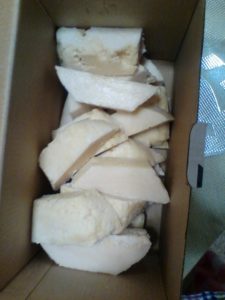
<a href="https://www.thesurvivalistblog.dream.press/wp-content/uploads/2017/10/crisco-and-orange-oil-soaps-1.jpg"><img class="size-medium wp-image-39365" src="https://www.thesurvivalistblog.dream.press/wp-content/uploads/2017/10/crisco-and-orange-oil-soaps-1-263x350.jpg" alt="Crisco and orange oil soaps " width="263" height="350" /></a> Crisco and orange oil soaps Making your own soap is an enjoyable and useful activity. <a href="http://amzn.to/2yxcA2j">Homemade soaps</a> are also better for the skin because they contain glycerin. Glycerin is a natural product of the soap making process. But, with many commercial soaps, the glycerin is removed and used to make lotions and other cosmetics. With self-made soaps, the glycerin is not removed and you will benefit from its soothing and moisturizing effects. When you are just starting out making soap, it is not good to use a complicated recipe with expensive ingredients. You do not want to get overwhelmed. You also do not want to waste money on fancy imported oils and 50 different types of milk and additives when you are not yet confident with your craft. When starting out, it is better to keep things simple and low cost. I am going to teach you how to make an uncomplicated soap using just four ingredients. Those ingredients include Crisco, orange essential oil (which is optional), lye and olive oil. You don't have to use any essential oils if you want a fragrance free soap. Usually making soap from scratch involves a “cure” time of 4-6 weeks. During this time, the soap becomes milder and harder. However, I am going to also teach you a simple oven <a href="http://amzn.to/2yxcA2j">processing technique that can make your soap</a> safe to use within a couple of days. <u>Items Needed</u> <ol> <li>Goggles: This is to protect your eyes from the “fumes” generated by the lye water. I have used my old swimming goggles and they worked just fine. You can also get goggles from the Dollar Tree.</li> <li>White Vinegar: This is used to neutralize the lye if any of lye water splashes on you.</li> <li>Rubber Gloves: These protect your hands and can also be obtained from most dollar stores.</li> <li>Stick Blender: I purchased mine for less than $10 from a local discount store.</li> <li>Silicone Cake Molds: I got some from Dollar Tree. I used 5 small silicone cake molds for my soaps. You can also use a regular pan lined with lightly oiled wax paper so that the soap will not stick to the pan.</li> <li>Candy Thermometer: The first time I ever made soap, I didn't have one of these and it made things harder. Get a candy thermometer. I purchased one for a couple of dollars on eBay.</li> <li>Lye: I use “Instant Power Crystal Lye Drain Opener” from Walmart. It costs $5.16 and I still have plenty of lye left over to make more batches of soap. Your lye must be 100% pure lye...not  Drano or anything like that. You can also purchase lye from eBay, Amazon or various online soap making shops. I have heard of people buying the 100%  pure lye from Lowe's as well. You will need ¾ cup of lye for this recipe.</li> <li>Crisco: You will need 3 pounds of this. I got 3 containers of Crisco from Dollar General. Each container was a pound. You can use generic Crisco as well but it must be 100% vegetable shortening.</li> <li>Olive Oil: You will need 1 tablespoon of this. I purchased mine from Dollar General. It must be 100% pure olive oil, not the “olive oil” blend sold at Dollar Tree which is mainly just soybean oil. The olive oil hardens the soap.</li> <li>Orange Essential Oil: I used about ½ of an ounce. It smells heavenly. You can get essential oils on eBay, Amazon and at drugstores such as Rite Aid.</li> <li>Kitchen Scale: This is optional for this recipe (in my opinion). It will make things more precise, but I did not use a scale because I did not have one at the time. I just measured things out carefully using measuring cups and I had no problems.</li> </ol> <strong><u>The Steps</u></strong> <a href="https://www.thesurvivalistblog.dream.press/wp-content/uploads/2017/10/cake-pan.png"><img class="size-full wp-image-39363" src="https://www.thesurvivalistblog.dream.press/wp-content/uploads/2017/10/cake-pan.png" alt="Cake Pan" width="216" height="161" /></a> Cake Pan <ol> <li>Measure out your lye. If you have a scale, measure out 220 grams of lye. If not, very <strong>very</strong> carefully measure out ¾ cup of lye and pour the crystals into a non-metal container.</li> <li>Measure out 330 grams (or 1 and ½ cup) of distilled or filtered water. Very carefully pour the lye crystals into the water. There will be fumes. Stir with a spoon (again no metals are allowed...use plastic or wooden spoons). It is good to place the lye water under the stove exhaust fan if you can. If not, open the windows for adequate ventilation.</li> <li>Melt your Crisco and add your olive oil.</li> <li>After the oils are melted together, turn off the stove and remove the pot from the stove. Use a thermometer to measure the temperature of the oils. The oils should be about 120 degrees.</li> <li>Check the temperature of your lye water. It will be about 175 degrees.</li> <li>You must get the lye water and the oils to a similar temperature. So, place your lye water container in a sink full of ice water until it has cooled down to 97-100 degrees. While you are waiting for this to happen, your oils will be cooling down naturally.</li> <li>When both the oils and the lye water are between 97-100 degrees, mix them together. Pour the lye water into the oils. Use your stick blender to blend the mixture until it looks like pudding. When the mixture reaches this stage, it is said to be at <em>trace</em>.</li> <li>When your mixture reaches trace, add your essential oils to the mixture. Blend well and quickly pour your mixture into your cake pans. Certain essential oils will sometimes cause the mixture to “seize” so work quickly once you add your fragrance oil.</li> <li>Place your soap in the oven at 170 degrees (or on the lowest setting your oven has available. If your oven has a “warming” feature, you can use that). Let the soap stay in the oven for about 2 hours. However, check on the soap every 20 minutes or so to make sure that it does not “bubble over”. The heat from the oven is forcing the saponification process. If you didn't use the oven method, it would take 4-6 weeks after you pour your soaps before you could be able to use them.</li> <li>Let your soap rest for a few hours and then cut it into soap bars.</li> <li>Let the soap rest for another day so the excess water will evaporate and the soap will become milder and harder.</li> <li>Enjoy your homemade soap!</li> </ol> This bar cleans very well and has a medium amount of lather. Many people (myself included) love lots of lather. But, the amount of lather a soap produces does not measure its cleaning ability. My Orange Crisco Soap is not extremely moisturizing like a Dove beauty bar, but it does not strip the skin either. Your entire family can use it or <a href="http://amzn.to/2yxcA2j">you can even sell the soap at flea markets or online</a>. The ingredients are cheap and readily available which make it perfect for a novice soap maker. I showered with my soap 2 days after making it. I have a whole box of soap from this one batch. It's easy, economical and fun. Please try it! <strong>Also Read:</strong> <ul> <li><a href="https://www.thesurvivalistblog.dream.press/diy-rendering-fat-making-soap/">DIY Rendering Fat & Making Soap</a></li> <li><a href="https://www.thesurvivalistblog.dream.press/homemade-laundry-soap/">Judy’s Homemade Laundry Soap</a></li> <li><a href="https://www.thesurvivalistblog.dream.press/soap-thieves-surprising-lesson-prepping/">Soap Thieves, A Surprising Lesson About Prepping</a></li> <li><a href="https://www.thesurvivalistblog.dream.press/making-selling-soap/">Making and selling soap</a></li> <li><a href="https://www.thesurvivalistblog.dream.press/how-to-make-laundry-soap/">Making Laundry Soap</a></li> <li><a href="http://amzn.to/2yxcA2j">Making Soap From Scratch: How to Make Handmade Soap - A Beginners Guide and Beyond</a></li> </ul>Those ingredients include Crisco, orange essential oil (which is optional), lye and olive oil. You don’t have to use any essential oils if you want a fragrance free soap. Usually making soap from scratch involves a “cure” time of 4-6 weeks. During this time, the soap becomes milder and harder.
However, I am going to also teach you a simple oven processing technique that can make your soap safe to use within a couple of days.

Items Needed

  1. Goggles: This is to protect your eyes from the “fumes” generated by the lye water. I have used my old swimming goggles and they worked just fine. You can also get goggles from the Dollar Tree.
  2. White Vinegar: This is used to neutralize the lye if any of lye water splashes on you.
  3. Rubber Gloves: These protect your hands and can also be obtained from most dollar stores.
  4. Stick Blender: I purchased mine for less than $10 from a local discount store.
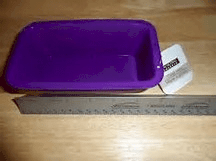
  5. Silicone Cake Molds: I got some from Dollar Tree. I used 5 small silicone cake molds for my soaps. You can also use a regular pan lined with lightly oiled wax paper so that the soap will not stick to the pan.
  6. Candy Thermometer: The first time I ever made soap, I didn’t have one of these and it made things harder. Get a candy thermometer. I purchased one for a couple of dollars on eBay.
  7. Lye: I use “Instant Power Crystal Lye Drain Opener” from Walmart. It costs $5.16 and I still have plenty of lye left over to make more batches of soap. Your lye must be 100% pure lye…not  Drano or anything like that. You can also purchase lye from eBay, Amazon or various online soap making shops. I have heard of people buying the 100%  pure lye from Lowe’s as well. You will need ¾ cup of lye for this recipe.
  8. Crisco: You will need 3 pounds of this. I got 3 containers of Crisco from Dollar General. Each container was a pound. You can use generic Crisco as well but it must be 100% vegetable shortening.
  9. Olive Oil: You will need 1 tablespoon of this. I purchased mine from Dollar General. It must be 100% pure olive oil, not the “olive oil” blend sold at Dollar Tree which is mainly just soybean oil. The olive oil hardens the soap.
  10. Orange Essential Oil: I used about ½ of an ounce. It smells heavenly. You can get essential oils on eBay, Amazon and at drugstores such as Rite Aid.
  11. Kitchen Scale: This is optional for this recipe (in my opinion). It will make things more precise, but I did not use a scale because I did not have one at the time. I just measured things out carefully using measuring cups and I had no problems.

cake-pan-for making homemade soapsThe 12 Easy Steps

  1. Measure out your lye. If you have a scale, measure out 220 grams of lye. If not, very very carefully measure out ¾ cup of lye and pour the crystals into a non-metal container.
  2. Measure out 330 grams (or 1 and ½ cup) of distilled or filtered water. Very carefully pour the lye crystals into the water. There will be fumes. Stir with a spoon (again no metals are allowed…use plastic or wooden spoons). It is good to place the lye water under the stove exhaust fan if you can. If not, open the windows for adequate ventilation.
  3. Melt your Crisco and add your olive oil.
  4. After the oils are melted together, turn off the stove and remove the pot from the stove. Use a thermometer to measure the temperature of the oils. The oils should be about 120 degrees.
  5. Check the temperature of your lye water. It will be about 175 degrees.
  6. You must get the lye water and the oils to a similar temperature. So, place your lye water container in a sink full of ice water until it has cooled down to 97-100 degrees. While you are waiting for this to happen, your oils will be cooling down naturally.
  7. When both the oils and the lye water are between 97-100 degrees, mix them together. Pour the lye water into the oils. Use your stick blender to blend the mixture until it looks like pudding. When the mixture reaches this stage, it is said to be at trace.
  8. When your mixture reaches trace, add your essential oils to the mixture. Blend well and quickly pour your mixture into your cake pans. Certain essential oils will sometimes cause the mixture to “seize” so work quickly once you add your fragrance oil.
  9. Place your soap in the oven at 170 degrees (or on the lowest setting your oven has available. If your oven has a “warming” feature, you can use that). Let the soap stay in the oven for about 2 hours. However, check on the soap every 20 minutes or so to make sure that it does not “bubble over”. The heat from the oven is forcing the saponification process. If you didn’t use the oven method, it would take 4-6 weeks after you pour your soaps before you could be able to use them.
  10. Let your soap rest for a few hours and then cut it into soap bars.
  11. Let the soap rest for another day so the excess water will evaporate and the soap will become milder and harder.
  12. Enjoy your homemade soap!

This bar cleans very well and has a medium amount of lather. Many people (myself included) love lots of lather. But, the amount of lather a soap produces does not measure its cleaning ability. My Orange Crisco Soap is not extremely moisturizing like a Dove beauty bar, but it does not strip the skin either.

Your entire family can use it or you can even sell the soap at flea markets or online. The ingredients are cheap and readily available which make it perfect for a novice soap maker. I showered with my soap 2 days after making it. I have a whole box of soap from this one batch. It’s easy, economical and fun. Please try it!

Also Read:

  • DIY Rendering Fat & Making Soap
  • Judy’s Homemade Laundry Soap
  • Soap Thieves, A Surprising Lesson About Prepping
  • Making and selling soap
  • Making Laundry Soap
  • Making Soap From Scratch: How to Make Handmade Soap – A Beginners Guide and Beyond

Filed Under: Uncategorized

  • « Go to Previous Page
  • Page 1
  • Interim pages omitted …
  • Page 26
  • Page 27
  • Page 28
  • Page 29
  • Page 30
  • Interim pages omitted …
  • Page 32
  • Go to Next Page »

Primary Sidebar

Subscribe to Blog via Email

Enter your email address to subscribe to this blog and receive notifications of new posts by email.

Join 7,197 other subscribers
  • Amazon
  • Facebook
  • Substack
  • Twitter
  • YouTube

“Do more with less.”

– Minimalist proverb

Recent Posts

  • Just so you know
  • Weather Update for My Corner of Appalachia
  • Why I’m Ordering Ivermectin + Mebendazole Every Year
  • The Website’s Shutting Down (But Here’s the Plan)
  • You Are Hated! Start Training Like It!

Footer

Recent Posts

  • Just so you know
  • Weather Update for My Corner of Appalachia
  • Why I’m Ordering Ivermectin + Mebendazole Every Year
  • The Website’s Shutting Down (But Here’s the Plan)
  • You Are Hated! Start Training Like It!

More about me

Books I’ve written

Books I’ve read

Follow Me on YouTube

Follow Me on Facebook

Gear I Use and Recommend

Newsletter

Search this site

Follow me elsewhere

  • Amazon
  • Facebook
  • Substack
  • Twitter
  • YouTube

© 2008–2025 M.D. Creekmore · As an Amazon Associate, I earn from qualifying purchases.