
• Skip to primary navigation
  • Skip to main content
  • Skip to primary sidebar
  • Skip to secondary sidebar
  • Skip to footer

M.D. CREEKMORE

  • Home
  • Start Here
  • Freedom Files
  • Books
  • Subscribe
  • Facebook
  • YouTube

Everyday Carry in Appalachia — My No-Nonsense EDC

August 24, 2025 M.D. Creekmore

New video is up: Everyday Carry in Appalachia — My No-Nonsense EDC
Simple, reliable gear that actually earns pocket space—knife, light, pepper spray, holster, and a few rural must-haves. No paid sponsors—just what I use and would recommend to family.

Watch here 👉 https://www.youtube.com/watch?v=D3ywiexPO2E

Question for you: What’s the ONE item you’d add (or remove) from this EDC—and why?
Filed Under: Uncategorized

Best Off-Grid & Emergency Water Filters (2025): What I Use—and What I Don’t

August 24, 2025 M.D. Creekmore

I don’t recommend Berkey anymore. They’ve had quality-control questions and still don’t hold a recognized performance certification. Independent lab tests are fine, but that’s not the same as third-party certification that also audits manufacturing. When it’s my drinking water, I want both published data and a recognized cert.

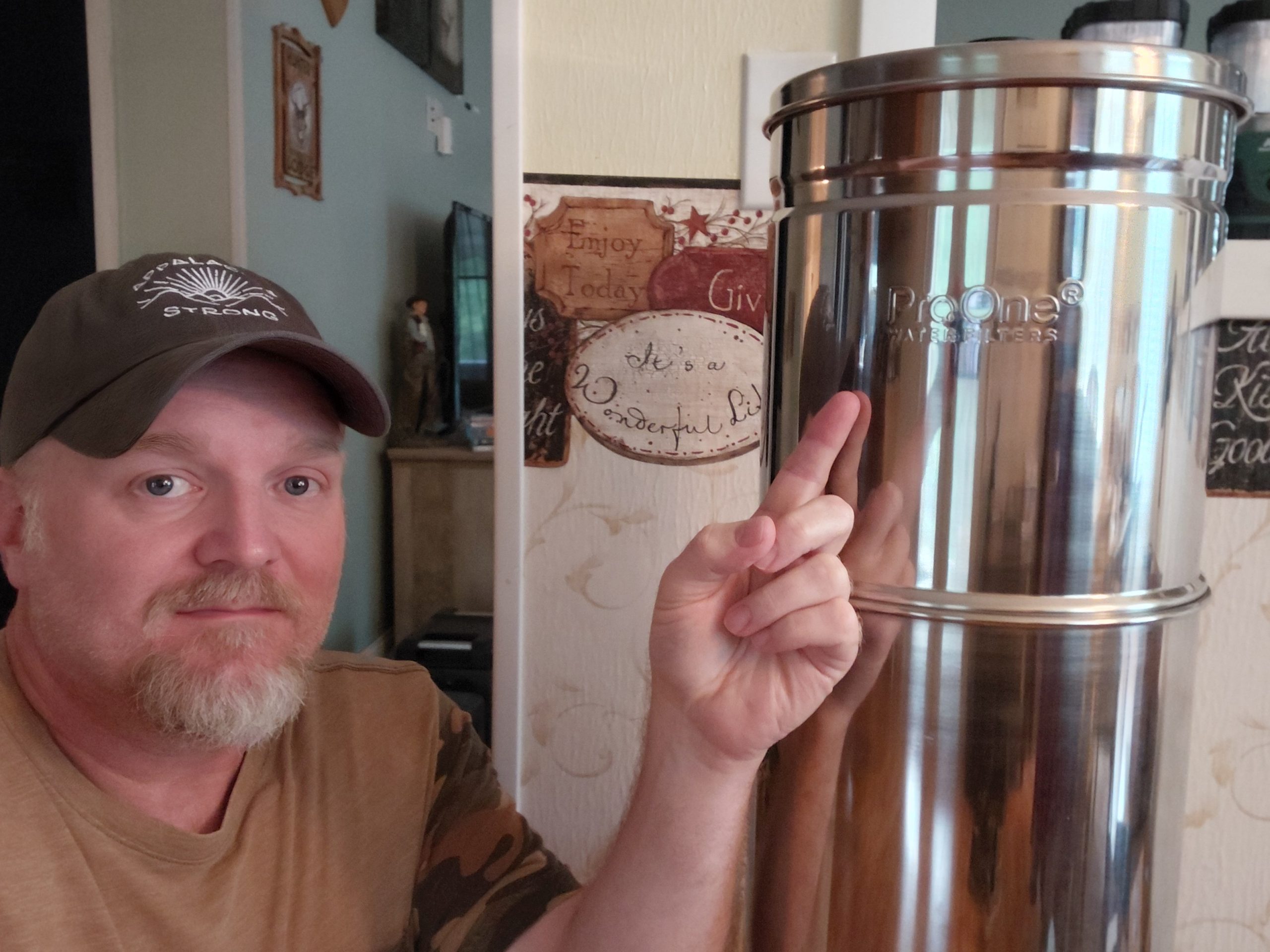
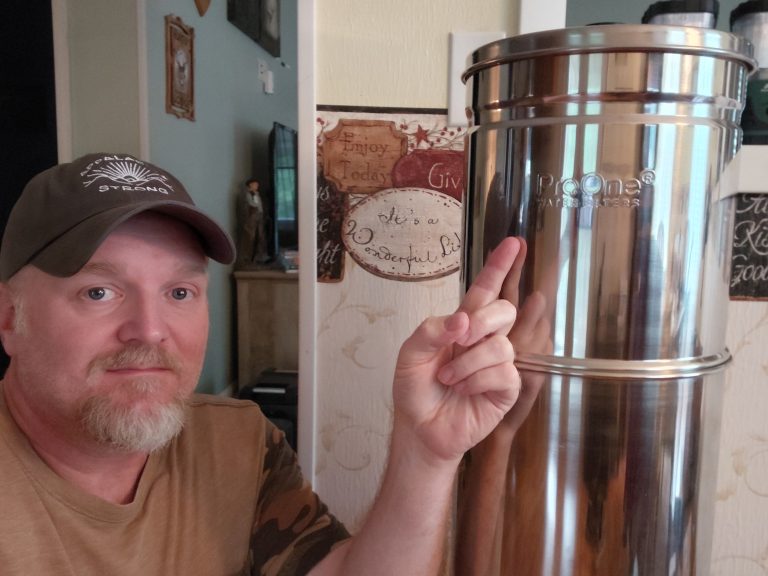
I do recommend ProOne for home use and Sawyer for camping and emergencies. I don’t own every filter on the market (no one does), but I do own and use a ProOne daily. I also own a Berkey, a couple of Sawyers, and a few LifeStraws. I don’t recommend the LifeStraw straw for most people.

Quick Picks

  • Home/Countertop: ProOne gravity unit (Big+ size for families). Reliable day-to-day, good capacity, straightforward upkeep.

  • Field/Travel/BOB: Sawyer Squeeze. Small, fast enough, and proven for bacteria and protozoa when used and maintained correctly.

  • What I skip: Berkey (no recognized performance certification), LifeStraw straw (awkward format for real-world use).

How to Choose (so you don’t buy the wrong thing)

Start with your water and your use-case.

  • Municipal water: You care about taste/odor, chlorine byproducts, and the occasional “boil water” event after a main break. A quality gravity filter handles the day-to-day; keep a backup like tablets or boiling for rare virus concerns.

  • Well water: Think sediment, minerals, metals (like iron, lead), and sometimes bacteria. A gravity unit is a good countertop solution; consider testing your well annually so you know what you’re targeting.

  • Surface water (creeks, ponds, backcountry): You must address bacteria and protozoa at a minimum. A hollow-fiber filter like the Sawyer Squeeze does that. For viruses, plan to boil or chemically treat if you’re in higher-risk regions or after disasters.

Questions to answer before you buy:

  • How many people are you supplying?

  • How dirty is the source water (do you need to pre-filter)?

  • Do you need portability, or will it live on the counter?

  • How much daily volume do you actually use?

Why I No Longer Recommend Berkey

No recognized performance certification. Plenty of companies publish test results; a formal certification goes further by verifying claims and auditing production. That matters to me for something I drink from daily. If you already own a Berkey and plan to keep using it, at least test your water before and after a couple of times a year so you know what it’s actually doing.

My Home Pick: ProOne Gravity (Big+)

This is what sits on my counter. Day to day it’s been solid: dependable flow, easy to refill, and straightforward maintenance. The company publishes lab data and has a recognized listing, which together give me more confidence than most countertop gravity options.

Real-world tips from daily use:

  • Break-in: Discard the first several liters until any initial carbon fines are gone.

  • Placement: Keep it on a stable surface with a bit of height so you can fit cups and bottles under the spigot.

  • Prefiltering: If your source water is cloudy, let it settle or pour it through a clean cloth or coffee filter first. That keeps the main elements from clogging early.

  • Element care: If flow slows, gently scrub the elements per the manual. Don’t use detergents.

  • Capacity: For two people, a Big+ is comfortable. For a family, fill morning and evening and you’ll stay ahead of demand.

My Camping/Field Pick: Sawyer Squeeze

For a packable, simple setup, I keep a Sawyer Squeeze in the truck and in my kit. It’s a 0.1-micron hollow-fiber filter that knocks out bacteria and protozoa when used properly.

Practical field tips:

  • Backflush often: Flow rate is everything. Use the syringe or a squeeze bottle to backflush after murky sources.

  • Protect from freezing: If the filter freezes wet, the fibers can crack. In cold weather, keep it in a pocket or inside your sleeping bag at night.

  • Gravity mode: Hang the dirty bag and let the Squeeze run as a mini gravity system at camp while you do other chores.

  • Pair with treatment if needed: For suspect water where viruses are a concern, filter first, then chemically treat, or just bring it to a rolling boil.

Why I Don’t Recommend the LifeStraw Straw (for Most People)

The tech works, but the format is awkward in the real world. You’re hunched over a stream or limited to sipping through a bottle. It doesn’t easily fill a pot for pasta, a kettle for coffee, or a bladder for hiking. A squeeze or gravity setup is simply more useful.

“Tested To” vs “Certified”

  • Tested to a standard usually means a lab ran the protocol and published a report.

  • Certified to a standard means an accredited body verified performance and also audits manufacturing and labeling.
    I look for both: readable lab data and a recognized certification or listing when it applies.

Water Testing: When and Why

  • New setup: Test your source water once so you know your baseline.

  • After changes: If your water utility has a major incident, or you notice changes in taste/color, test again.

  • Well owners: Annual bacteria and metals testing is money well spent.

  • TDS isn’t safety: TDS tells you dissolved solids, not whether water is safe. Use appropriate tests for microbes, metals, or chemicals depending on your situation.

Common Mistakes to Avoid

  • Not priming/breaking in carbon-based elements and then complaining about taste.

  • Letting hollow-fiber filters freeze and trusting them afterward.

  • Running silty water straight into a gravity unit without prefiltering.

  • Never backflushing a squeeze filter and wondering why it’s slow.

  • Using hot water in systems not designed for it.

  • Storing filters wet and sealed for long periods. If you’re shelving gear, follow the manufacturer’s directions for storage and drying.

What I Own and Use (for Transparency)

  • Own & use daily: ProOne gravity unit (Big+).

  • Own & use outdoors: Sawyer Squeeze.

  • Own but don’t recommend: Berkey (no recognized performance certification), LifeStraw straw (impractical format for how I use water).

If You Only Do One Thing

Get a solid countertop gravity filter for home and a compact field filter for your pack or vehicle. That combination covers day-to-day life, boil-water notices, road trips, and short-term emergencies without breaking the bank or overcomplicating your setup.

Sources

Affiliate — ProOne Big+ I use
Affiliate — Sawyer Squeeze Water Filtration System
Berkey on not being NSF certified (company FAQ)
“Top Berkey Complaints” page (company site)
NSF/ANSI 42/53/401 standards overview
ProOne Big+ product page (system listing details)
ProOne G2.0 microbiological test report (PDF)
Sawyer Squeeze microbial efficacy testing (PDF)
LifeStraw personal straw product page (performance data sheet under Resources)

Disclosure: As an Amazon Associate, I earn from qualifying purchases.

Filed Under: Uncategorized

Read This Before You Waste Another Dollar

July 7, 2025 M.D. Creekmore


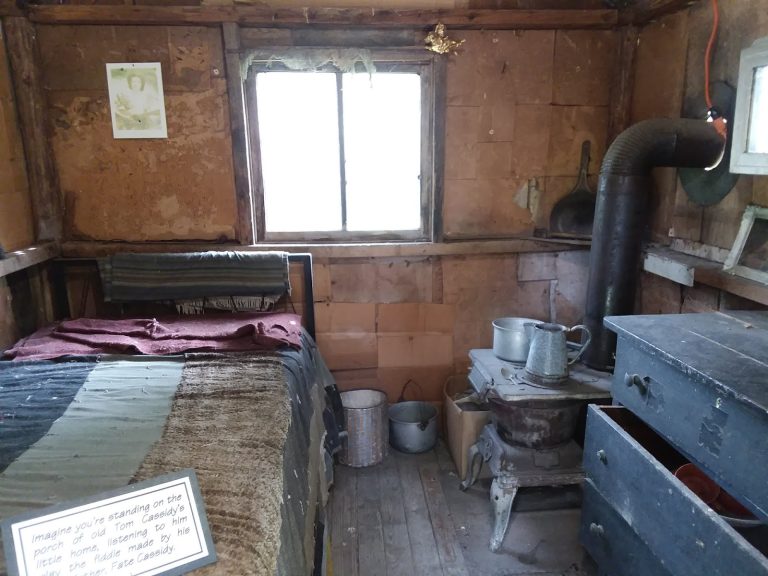
Cabin lived in by the “king” of frugal living in Appalachia old Tom Cassidy. “I’ve got that little cot in there, a chair, a stove for heat and cooking, a frying pan, a bean pot, an old dresser, a fiddle, and my pistol. What more does a man need?” Tom lived in this 8×8 foot tiny home for decades—until his death in 1989.

I’ve lived a simple, frugal life for years — not because I had to, but because I chose to.

The freedom, peace of mind, and control you get from living below your means? You can’t put a price on it.

But even though I already believed in this way of life, these 5 books gave me even more of the how-to. They backed up everything I knew and added more skills, strategies, and motivation to keep going — even when everyone else said I was crazy.

These aren’t theory books. They’re practical, down-to-earth, and timeless how-to-do-it books.

If you’re living frugally (or want to start), my new video tells you THE BEST books to help you live better, live cheaper and survive when times get tough:

👉 Watch the video here on YouTube

I think you’ll see why I’ve kept these books on my shelf for years.

– M.D. Creekmore

Filed Under: Uncategorized

The Best Things in Life Aren’t on a Screen

May 29, 2025 M.D. Creekmore

I’ve lived long enough to know one thing for sure — the best parts of life aren’t online. They don’t come from a glowing screen. They come from quiet mornings, hard work, and the kind of peace you can only find when the noise is turned off.

I grew up in Appalachia. We didn’t have much, but we had what mattered. I remember sitting outside on the front steps, listening to the frogs down by the creek and the wind blowing through the trees. That didn’t cost a thing — but it filled me up in a way no scroll on a phone ever could.

These days, it’s easy to get lost in the endless loop — YouTube videos, social media feeds, breaking news, and everyone trying to sell you a “better life.” But the truth is, most of that is just noise. Real life is still out there — in the garden, on a dirt road, at the kitchen table with someone you care about. You can’t buy it, download it, or watch it in HD.

Sometimes I catch myself reaching for the phone without even thinking. That’s how they’ve trained us. But then I remind myself to look up. To step outside. To grab a cast iron skillet and cook something real. To sit still for a few minutes and just be. That’s where the real reset happens — not on a screen, but in the space where there’s no filter, no likes, and no algorithm telling you what matters.

So if you’re feeling tired, burned out, or like something’s missing — try turning everything off. Go outside. Walk slow. Watch the clouds. Plant something. Call a friend instead of texting. Let your mind breathe. Because the best things in life aren’t on a screen — they’re right in front of you, if you’re willing to look.

Filed Under: Uncategorized

Sprout Seeds for Fresh Greens All Year

December 21, 2024 M.D. Creekmore

how to sprout grains for food

Fresh sprouts are full of vitamins and minerals that aren’t readily available in the unsprouted seed. Sprouting allows you to have fresh greens even in winter and will expand the bulk of your food storage many times over without any extra expense to you.

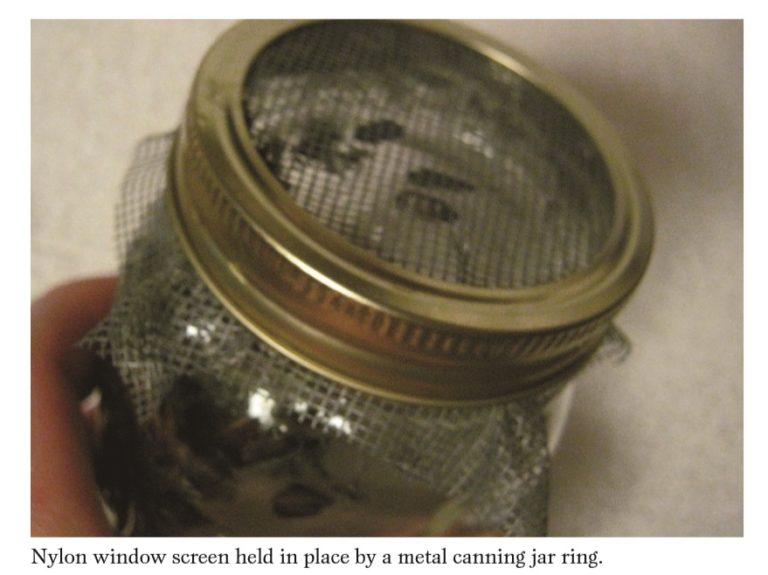
To start sprouting, you’ll need at least one wide-mouth quart canning jar (a quart mayonnaise jar will also work) and a 6×6 inch square piece of nylon window screen or cheesecloth. Both the screen and cheesecloth are easy to cut with scissors or a sharp knife.

sprout grains for food

how to sprout grains for food

sprouting seeds and grains for food

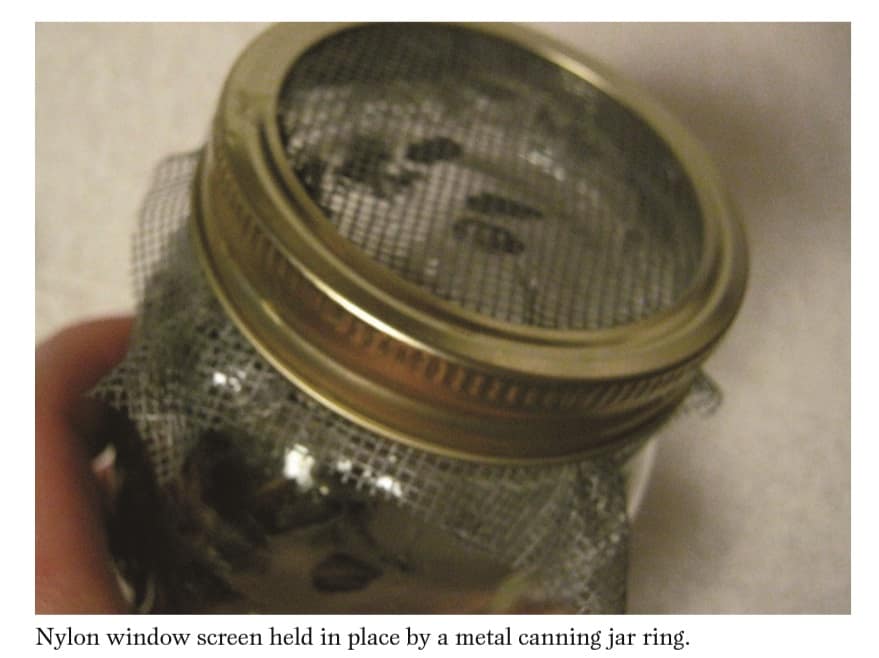
Next, put approximately 3 to 4 ounces of wheat, alfalfa, chickpeas, lentils, mung beans, pumpkin seeds, rye, sunflower seeds, or other sprouting seed in each jar and cover the mouth with the nylon window screen. You can use a large rubber band, string, or a canning jar ring to hold the screen in place over the mouth of the jar.

Fill each jar with water to within 2 inches of the top and let stand overnight. When you get up the next morning, pour out the soak water and tilt the bottom of the jar over the sink and leave for an hour or two so the rest of the water can drain off the seeds.

After this initial soaking and draining, you’ll want to flood the jars about every four hours and then drain any excess water by tilting the jar bottom up into a bowl or sink. Repeat two to three times per day.

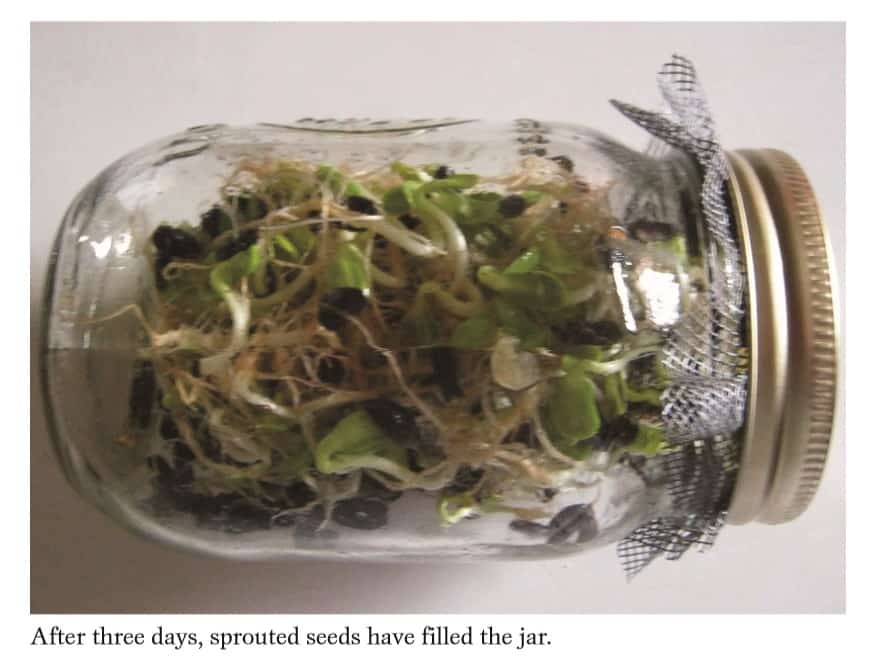
how to spout seed for food and survivalAt this point, you want to keep the seeds moist but not covered with water. In a few days, the seeds will begin to sprout. When the sprouts reach 1 to 2 inches in length (for most seeds), they are ready to eat. Sprouts can be eaten raw, cooked, or dried. If dried, they can be ground into flour and used for bread or other baked items.

to keep a steady supply of fresh sprouts, simply start a new jar 24 to 48 hours after the last sprout jar has finished sprouting. Repeat cycle. This is a great routine that will keep you in fresh greens year round.

And that is all there is to it. If you want to learn more about sprouting, including in-depth but simple recipes using sprouts, order a copy of The Sprouting Book by Ann Wigmore. This excellent resource is a must-have for any serious survival seed sprouter.

Filed Under: Health and Fitness, Prepping

  • « Go to Previous Page
  • Page 1
  • Page 2
  • Page 3
  • Page 4
  • Page 5
  • Page 6
  • Interim pages omitted …
  • Page 105
  • Go to Next Page »

Primary Sidebar

About the author

M.D. Creekmore is the author of five books on preparedness and self-reliance, and the creator of The View From Appalachia YouTube channel. Read more→

Appalachian Freedom Files ⬇️

Appalachian Freedom Files
Hundreds of preparedness and self-reliance resources on a USB drive for offline access.

Subscribe to Blog via Email

Enter your email address to subscribe to this blog and receive notifications of new posts by email.

Join 7,042 other subscribers

Secondary Sidebar

Read My Books

Paperback and Kindle

Footer

Recent Posts

  • WHAT THEY SAY VS. WHAT THEY LEAVE OUT
  • Have We Lost the Right to Be Left Alone?
  • Are You Still Here?
  • You Have Less Time Than You Think
  • This Is Happening Right Under Our Noses

Start Here

    • About M.D.
    • Freedom Files
    • Books
    • YouTube
    • Newsletter


Follow me elsewhere

  • Amazon
  • Facebook
  • Instagram
  • Twitter
  • YouTube

© 2008–2026 M.D. Creekmore · As an Amazon Associate, I earn from qualifying purchases.

  • Privacy Policy
  • Affiliate Disclosure
  • Contact