• Skip to main content
  • Skip to secondary navigation
  • Skip to primary sidebar
  • Skip to footer

M.D. CREEKMORE

  • Blog
  • Books
  • Newsletter
  • Gear I Use
  • About
  • Contact
  • Facebook
  • YouTube
  • Blog
  • Books
  • Newsletter
  • Gear I Use
  • About
  • Contact
  • Privacy Policy
You are here: Home / Archives for M.D. Creekmore

M.D. Creekmore

Hello, I’m M.D. Creekmore. I’ve been interested in self-reliance topics for over 25 years. I’m the author of four books that you can find at Amazon.com as well as Barnes and Noble. Over the years, I’ve learned a lot about prepping, homesteading, and self-reliance topics through first-hand experience and now I want to share what I’ve learned with you.

21 Point Prepper’s Checklist For Stocking Up at Your Grocery Store

September 17, 2021 M.D. Creekmore

Over the years I’ve consulted with many clients through my consulting business who know that they should stock up on food, water, and other needed gear but they’ve become so overwhelmed with all the “prepper foods” and “prepper gear” suggestions (check out this article for my favorite gear) that’s being promoted on nearly every survival blog and prepper website that they don’t know where to start – so they contact me for help.

I love seeing the look on their faces when I tell them that they don’t really need all of that stuff or need to order anything online because everything needed to prepare for a local disaster or even a total SHTF event can be found and purchased at their local Wal-Mart.

Prepping should be a simple and low-cost expenditure, unfortunately prepping has been made into a business where you’re intentionally led to think that you have to spend thousands of dollars on long-term storage foods, firearms, bug out vehicles and other related gear, when in reality everything that you really need can be purchased quickly and cheaply at your local Walmart Supercenter.

Below I’ve put together a 20 step prepper’s checklist that once completed will make you better prepared than probably 95% of the U.S. population – all at a fraction of the price of purchasing an equal amount of foods and gear from the prepper supply vendors that you see promoting their products everywhere online nowadays.

You can do all ten steps at once if you want or you can divide each step into separate days or weeks. But you need to get it done as soon as possible. Keep in mind that this is only a starting point and isn’t presented here as a completed end-all list. Prepping is a lifestyle and you’ll always be working and improving your skills and adding to and or altering your supplies.

Now let’s get started…

1. Head to the nearest Wal-Mart and pick-up 20 lbs. of white or brown rice (white rice stores longer but brown rice is more nutritious) and 20 lbs. of pinto beans. White rice has a better storage life while brown rice has more nutritional benefits – your choice.

2. While you’re there grab 5 lbs. mixed beans, 5 lbs. of white sugar, 5 lbs. of iodized salt, one gallon of olive oil (can be frozen to extend shelf-life), 5 lbs. oats, 10 lbs. each of white or wheat flour and cornmeal.

3. Now head over to the canned foods and pick-up 20 cans of canned fruits and 20 cans of canned vegetables. Be sure to buy only those brands and contents you normally eat and nothing exotic. No need to shock the senses.

4. Now over to the canned meats. Pick-up 20 cans of various meats, salmon, stews, spam, and tuna. Again buy only those brands with contents you normally eat and nothing exotic.

5. Okay. Now to the to the peanut butter shelf and toss two 40-ounce jars in the cart. The listed shelf life is just over two years and each jar has over 6,000 calories. Peanut butter is an excellent instant survival food.

6. Over to the powdered drink mix – go on I’ll wait…Okay, pick up two 72 Ounce Tang Orange drink canisters (provides 100% of the US RDA vitamin C requirement per 8 oz. glass). Also, grab six 19-Ounce Containers of Kool-Aid Drink Mix.

7. Off to the vitamin and supplement aisle, pick up 363 caplets of a good “one a day” multivitamin and mineral supplements. I buy this brand – comes in 121 count bottle for $18 each.

8. Now to the department, we all love – sporting goods. Go to the camping aisle and pick up 4 five gallon water containers. Fill with tap water as soon as you get back home.

9. While you’re there buy 250 rounds of ammunition for your primary defensive weapon. More if you can, but this will be a good start. Also a good universal cleaning kit.

10. And while you’re in the sporting good department pick up the best flashlight you can afford, extra batteries and bulb. Also, grab two boxes of wooden matches and several multi-purpose lighters. Don’t forget to date, use and rotate – remember first in first out. Let’s get started. What would you add to the list?

11. Go to back the grocery department and pick up 5 lbs of powdered milk or the equivalent of canned, now go over to the next aisles and throw in 5 lbs of rolled oats and a case of Ramen noodles. Ramen noodles aren’t the most nutritional food but they are cheap, add bulk to the diet and store well –  just don’t rely on them to provide all your nutritional needs. And don’t forget a good manual can opener.

12. While you’re in the grocery department be sure to pick up an assortment of spices to taste, such as Basil, Chili powder, Cinnamon, Garlic, Sage, Marjoram, Oregano, Rosemary, Thyme and Black Pepper. Spices can go along way toward making unfamiliar foods palatable. Also, while you’re in that area add 5 or more lbs of salt to your shopping cart, as you know salt has 101 uses.

13. Okay, counting what you bought during our first trip to the shopping center, that should do it for the grocery. Now go over to the area near the pharmacy and pick up 3 large tubes of toothpaste, 3 brushes, 100 double edge razor blades, (note: if you don’t have a razor you’ll probably have to order one from Amazon.com and don’t forget a brush and bowl), I’ve used this type of razor for years and think it is a cheaper long-term solution than disposable.

14. While you’re there, add the most comprehensive first-aid kit that you can find to your cart and don’t forget over the counter pain meds (Tylenol, aspirin etc.). If you’re a woman (or have one in your life) go over a few shelves and pick up enough “feminine” supplies to last three months or longer.

15. With all that food in your pantry its only a matter of time before you have to poop. I know, its shocking but we all do it.  If you have a water source such as a stream or lake nearby you can still use the toilet in your bathroom, all you have to do is manually fill the tank in back and flush as usual. If this isn’t an option, you’ll need to look for other alternatives such as the Portable Toilets sold in the sporting goods department or making a  sawdust toilet from a five-gallon bucket.

16. What’s next? You guessed it toilet paper. If you poop you need to wipe, if not you probably need to start. You could use a corncob, cloth, Roman sponge on a stick or paper from discarded books or newspapers but I would wager most of you prefer the softness of Angel Soft. Get enough to last at least a month, more if possible and remember women need more than men so plan accordingly.

17. While you are in that area of the store pick up a supply of disposable plates, bowls and plastic utensils. Don’t go overboard here but having a small stockpile of these items on hand can save a lot of water that would otherwise be used to wash dishes. Also add two or more gallons of regular, unscented bleach to your cart.

18. This is a biggie and can’t be done (legally) at the department store pharmacy without the signature of a doctor – that is stocking up on prescription meds.  Getting more than a 30 day supply, at least in the U.S., can be difficult if not impossible. But there are ways to get most of what you need for long-term survival.

19. Now push your cart (man this thing is getting heavy) over to the hardware department of the store and pick up a carpenters hammer, vise grips, adjustable wrench, screwdriver set, duct tape, electrical tape, ax, pry bar, crosscut saw, hacksaw and a large can of WD-40. This is your bare minimum survival toolkit.

20. After you get your toolkit, go over to sporting goods and in the camping supply aisle pick up a propane camp stove and 5 or more 1 pound propane cylinders or a bulk 20 lb tank and hose adaptor – yes the pressure in the small bottles is the same as a 20 lb cylinder or even 100 lb tank, just be sure to get the proper adapter and hose assembly. Another alternative and the one I prefer is the Volcano Stove because I can use propane, wood, and charcoal.

21. Okay, we are just about done  – only a few more steps you’ll be out the door and heading home. You’ll need a way to keep in touch with your group so go to the electronics department and pick up the best two-way radios that you can afford – I have these. Don’t forget a battery-powered radio and extra batteries for both. While not necessary, I prefer a radio capable of receiving AM/FM and shortwave broadcasts – I have this one.

This shopping list will have you better prepared than probably 90% of the U.S. but it should not signify the end of your preps only a good start. There’s always something to do and learn never become complacent – remember the quote “On the plains of hesitation lie the bleached bones of those who on the very threshold of victory sat down to rest, and while resting died.”

What did I leave out? What would you add? Let us know in the comments below.

Filed Under: Prepping

Shortages in Eastern North Carolina (Reader Submitted Photos)

July 28, 2021 M.D. Creekmore

These photos where sent in from a reader in Eastern North Carolina. I hope you all have been prepping because the shortages are going to get much worse.

Just thought I’d share the shortages I saw today at local Walmart. Lady at register and I were talking about shortages, price increases and she said, they were told, “what we have is what we have certain things no restock coming in”.

If you feel lost and don’t know where to start or not sure how to prep then start here – The Quickest Way I Know To Get a Family of Four Prepared for The Coming Collapse. Time is running out to prepare appropriately, so do the best that you can with what time we have left. But please do something! Anything beats nothing.

Filed Under: Uncategorized

Long-Term Food Storage Staples That Last Forever – 20 Foods to Stockpile for Long-Term Survival

December 25, 2020 M.D. Creekmore

Long Term Food Storage Staples That Last Foreverby Amanda Hermes

There is a surprising variety of foods that can last for years, or even forever, at room temperature when stored correctly. For all of these foods, the storage method is paramount. To protect your food supplies, store them in airtight containers in cool, dry locations away from light.

Containers might be bins, jars or cans with lids or even plastic bags that close securely. Buying in bulk is a great strategy, but most foods last much longer unopened, so obtaining many smaller containers might be more beneficial, depending on the food.

Moisture is the number one cause of food spoilage because microbes, such as bacteria, molds, and yeasts, flourish in moist locations. These microorganisms feed on food matter and decompose it. Like humans, microorganisms require water to survive, so if you remove moisture from food, it will not decompose, or spoil.

Naturally occurring enzymes in food can react with oxygen to cause spoiling and ripening that destroys food, but these enzymes also need water, so without moisture, this reaction can’t take place.

Make sure to keep long-term foods in cool areas, since heat can cause sweating, which can produce enough moisture for mold to grow. Darker places are also better for storage since sunlight can increase temperature.

While the foods below can last for relatively long periods, always discard foods that have a bad odor, flavor, or appearance. If mold or insects ever appear in your food, discard it immediately,
as these can present serious health hazards if eaten.

Below are twenty foods with remarkably long shelf lives to stock your survival pantry.

1. Dried Beans and Legumes

Legume is a generic term for beans, peas, and lentils. All of these are low-fat, cholesterol-free sources of high-quality protein and fiber, which means they are good for satisfying hunger. All varieties of dried beans and legumes will last indefinitely if stored correctly, that is, in an airtight container in a cool, dry place, according to chef and food scientist Mark Bittman.

Although there are hundreds of varieties of dried legumes, almost all can be prepared in the same way.

To make dried legumes edible, simply place them in a large pot and cover with water. Heat to a boil, and then turn the heat down and cover loosely. Cook, stirring occasionally until the beans are tender. How long this takes depends on the size of the legume you are cooking.

Peas might only take 30 minutes, while kidney beans take about an hour to soften. Legumes that are older than one year might take longer to soften.

2. White, Long-Grain Rice

Basic white, long-grain rice is another food staple that will last indefinitely if stored in an airtight container in a cool, dry place. Brown rice will last approximately one year, but its bran contains oils that can go rancid, whereas the bran has been removed from white rice, allowing it to last pretty much forever.

Rice is basically 100 percent carbohydrates, which provide energy, but not a lot of nutrition. However, it does contain magnesium, vitamin B6, as well as a little protein and fiber. According to Jill Waldbieser at “Cooking Light,” very old rice is actually revered in some Asian communities.

Rice that is over twenty years old commands a higher price and is eaten by royalty because eating it is equated with longevity. To prepare rice, combine with water in a two-to-one ratio (2 cups water, 1 cup rice) in a saucepan.

Bring to a  boil, then turn the heat down to medium-low and cover. Cook for about 15 minutes, or until water is absorbed.

3. Dried Pasta

All types of dried pasta will last at least 30 years when stored correctly, which is the same as the foods above. Pasta contains carbohydrates for energy and fiber, as well as iron and magnesium and a small amount of protein. To prepare dried pasta, bring a large pot of water to a boil.

Bittman suggests using five quarts of water per pound of pasta. Add your pasta, and continue to boil for 8-10 minutes, or until the pasta is tender. Drain water, and add seasonings or sauce if you have it.

4. Jerky

Raw meat can easily be contaminated with microorganisms that cause disease, but treating it with heat destroys foodborne microorganisms, and drying it out removes the moisture that
allows them to grow. Jerky can be made from any game meat, beef or pork, but it’s best not to try with poultry.

To make jerky, slice raw meat into strips no more than 1/4-inch thick, and arrange strips on trays or baking sheets so they do not touch or overlap. Bake in a 140-degree oven for 10-24 hours. You can also use a food dehydrator to make jerky at home.

Vacuum-sealed jerky can last up to two years. Jerky is a good source of protein, iron, potassium, and zinc.

5. Dried Vegetables and Fruits

According to How Stuff Works, dehydration is one of the oldest food preservation methods, dating back to 12,000 BC. Dehydrated vegetables, like kale chips and dried green beans, can last up to eight years in an airtight container, according to Food & Wine. Dehydrated carrots can last up to 25 years, and dried corn has a ten-year shelf life.

Dried fruit, on the other hand, lasts about a year. Store dried vegetables and fruits in small airtight containers, such as plastic bags, because every time you open the container, the food is exposed to air and moisture, which lowers its quality.

As stated above, moisture promotes decay, but drying vegetables and fruits removes all the water, thereby preventing the decomposition process.

Unfortunately, it also zaps most nutrients out of fruits and vegetables as well, but vitamin A, iron, and fiber are retained. Use the same drying process as jerky, but check every two hours until food is completely dry and brittle.

6. Powdered Milk

Powdered milk has been around since the 1830s. It is a great way to get calcium, protein, minerals, and amino acids. In the original airtight container, powdered milk lasts up to two years, or ten years unopened.

To reconstitute, add one cup water to 1/3-cup powdered milk. Besides drinking it, you can use powdered milk to flavor other foods, make desserts such as rice pudding, or add nutrients to other dishes.

7. Powdered Eggs

Since the early 1900s, people have been using powdered eggs instead of the original when camping. They are simply dehydrated eggs in powder form and last five to ten years in an airtight container in a cool, dry place.

Just like regular eggs, powdered eggs are a good source of protein, potassium, calcium, and essential vitamins. Simply mix with water and cook to create scrambled eggs.

8. Rolled Oats

Oats are another great source of fiber, potassium, iron, zinc, and several other key nutrients. They last about two years in an airtight container.

To prepare, combine two cups of water with one cup of oats in a small saucepan. Bring to a boil, then turn the heat to low and cook, stirring often for five minutes. Remove from heat, cover, and let sit for five more minutes before eating.

9. Canned Fish

Canned fish, such as tuna, salmon, and sardines are a great source of protein and Omega-3 fatty acids that can last up to three years unopened in a cool, dry place.

The canning process removes air and places food in vacuum-sealed containers that are heat processed, thereby destroying microorganisms and preventing bacteria from getting in, according to “Food & Wine” magazine. Canned fish can be eaten right out of the can or heated.

10. Nut Butters

According to “Readers Digest” magazine, nut butters, such as peanut, almond, and cashew, can last up to two years unopened, and six months once they’ve been opened.

Nut butters are a great source of protein and healthy fats.

11. Pickled Vegetables

Pickled vegetables are packed in a solution of water, vinegar, and salt. The acid from the vinegar combines with naturally forming acids in the vegetables, thereby slowing down the decaying process that causes fresh produce to go bad.

Therefore, pickled vegetables can last up to two years unopened. By the same token, vinegar itself never goes bad because it is basically self-preserving.

Pickling recipes vary by vegetable, so it’s best to consult a cookbook or other resource.

12. Canned Goods

Canned goods are a great way to bring variety to your extended shelf life pantry. Despite expiration dates printed on store-bought items, canned goods that are stored in a cool, dark place and remain undented and in good condition are safe for up to six years, according to Fox News.

Canned vegetables and fruits can provide a plethora of vitamins and nutrients,  depending on the variety. While it’s safe to eat canned foods at room temperature, most are better heated, with the exception of canned fruit.

Also, read the article How Long Does Canned Food Last that was published here on MDCreekmore.com a few months ago…

13. Honey

Honey’s low moisture content and acidity make it inhabitable for bacteria, so it will last indefinitely at room temperature. After some time, honey may become crystallized, but simply heat a glass jar of honey over low heat in simmering water until it becomes liquid again.

Honey contains virtually no nutrients, but it does contain antioxidants, which protect your body’s cells from damage. It can also be used to treat burns and wounds, due to its antibacterial and anti-inflammatory properties.

A spoonful of honey is a great remedy for a cough or cold, as it is a natural expectorant.

14 and 15. Sugar and Salt

Both sugar and salt are pure chemicals, which means they are pretty much indestructible and will never spoil as long as they are kept free from moisture. Like children, microbes love to eat sugar, but they can only do so if it’s somewhat moist.

Whether brown or white, sugar is still safe to eat even if it becomes hardened over time. Salt is great to have on hand to season the foods listed above.

16. Soy Sauce

Fermentation is another method of preserving foods, which makes soy sauce one of the longest-lasting flavorings out there. Soy sauce also contains a high level of sodium, thereby preventing bacteria growth.

According to Food & Wine magazine, unopened soy sauce can last indefinitely, and an opened bottle remains good for three years at room temperature.

17. Worcestershire Sauce

Similar to soy sauce, Worcestershire sauce contains high levels of acid and sodium, giving it a shelf life of up to five years unopened. It tastes great added to meat or fish or even beans.

18. Vanilla Extract

Pure vanilla extract can last indefinitely at room temperature in an airtight container because it contains alcohol, which prevents bacteria growth.

For the same reason, many varieties of distilled liquor, such as vodka, rum, whiskey, gin, and tequila, also last indefinitely. This shelf life only applies to pure vanilla extract; imitation vanilla extract generally lasts about four years.

19. Cocoa Powder

Properly stored, an opened package of unsweetened cocoa powder will generally last for about three years at room temperature. Just mix with hot water and add sugar for a comforting beverage.

Pre-mixed hot chocolate powder, however, does not last nearly as long, since it contains dairy.

20. Bouillon Cubes

Properly stored in an airtight container, a package of bouillon cubes or granules, whether beef, chicken, vegetable, turkey or fish, have a shelf life of about two years. These can be used to flavor rice, pasta, beans, or any other dish you are making.

MD Creekmore adds: 

Some foods like powdered milk, butter powder, cheese powder, shortening powder, and powdered eggs are difficult to package for long-term storage at home so I buy these prepackaged for long-term storage in #10 cans.

My choice for long-term storage food is Augason Farms (click here to see their long-term storage foods on Amazon.com) because of their selection, quality, prices, and customer service.

Resources:

https://www.rd.com/food/fun/foods-that-never-expire/7/
https://www.foodnetwork.com/recipes/packages/cooking-from-the-pantry/the-top-10-longestlasting-foods
https://www.foodandwine.com/news/9-foods-almost-never-go-bad#canned-fish
https://www.cookinglight.com/cooking-101/foods-with-longest-expiration-dates
https://recipes.howstuffworks.com/dehydrated-food.htm
Bittman, Mark. How to Cook Everything. Houghton Mifflin Harcourt. 2008.


Filed Under: Prepping

Cook, Bake and Stew The Top Six Prepper Tools to Get It Done Effectively…

May 27, 2020 M.D. Creekmore

In this article I list some of my favorite cooking and baking solutions for prepping, survival, and off the grid living. Have you thought about and prepared for cooking and baking when the grid goes down? What solutions did you come up with?

Zoom Versa Stove

The EcoZoom rocket stove is designed to burn wood, dried biomass (Plant materials and animal waste used as fuel) or charcoal making it a truly versatile means of cooking now and after the lights go out and other more conventional sources of fuel (like propane) are no longer available or need to be conserved for other uses.

My EcoZoom rocket stove has proven to be very heat efficient – bring a pan of water to a rolling boil in less than two minutes and frying an egg like nobody’s business. Having a means of cooking, when the power goes out should be self-explanatory. Having a cooking source that uses easy to find, renewable fuel is an extra bonus. The EcoZoom is a must have in the preppers, food cooking and processing tools kit.

Off-Grid Cooking Solution – EcoZoom Versa Rocket Stove Review

Check The Current Price on Amazon.com

Camping Stove

Having a standard camping type stove on hand for emergencies is one of those common sense things to do, and most folks in the country already have one or two of these for camping purposes.

If you don’t then go out and buy one now – a top-of-the-line model will put you back around $100 at current prices. And don’t forget to pick up some extra fuel canisters – put back at least 24 one pound canisters, or better yet get a hook-up that will allow the use of the larger 20 pound tanks. You can find these at most camping supply stores or at Amazon.com.

Check The Current Price on Amazon.com

Sun Oven

If you’re in an area that receives a sufficient amount of sunlight, then a solar-oven is a must have. With a solar-oven there is no need to store or scrounge for fuel, and as long as the sun is hot in the sky, you’ll have an unlimited “fuel” source to prepare food with.

The best brand and the one that I recommend is The All American Sun Oven – it’s best to get the package with the accessories included, to avoid having to buy these later.

Check The Current Price on Amazon.com

Folding Camp Grill 

This is another item, like the camping stove above that most folks in the country already have on hand, but it’s worth mentioning here. Every prepared prepper should have one of these, so if for some strange reason you don’t then go get one as soon as possible.

I bought mine at Walmart in the sporting goods department for under twenty-five dollars – they also have them at Amazon.com.

Check The Current Price on Amazon.com

Outdoor Grill / Smoker

This is another one of those items that will make like much easier, at least when it comes to preparing food after a disaster or a long-term grid down situation. I bought mine at Wal-Mart, in the lawn and garden department for fewer than one-hundred dollars – they also have them at Amazon.com.

Check The Current Price on Amazon.com

Extra Large Stew Pot

Even if you don’t anticipate having a large group to cook for you should still have at least one large stew pot, because you never know who or how many family members or close friends will show up at your door, and most of us don’t want to shoot them, so we will have to feed them. I have a Bayou Classic 7406, 6-Qt. Cast Iron Soup Pot with Cast Iron Lid, but I’m afraid that even this won’t be sufficient for my needs – I’m getting another one…

Check The Current Price on Amazon.com

Prepper Cooking: Must-Have Tools For TEOTWAWKI

Filed Under: Gear Reviews

Defeating Drones: How To Build A Thermal Evasion Suit

May 27, 2020 M.D. Creekmore

This article was written by Brandon Smith and originally published at Alt Market and republished here by permission from the author. Note that the article was written several years ago but the information should still be useful…

Asymmetric tactics rely on the idea of fighting smarter, rather than fighting directly, against a larger or more technologically advanced aggressor. It means turning your opponent’s strengths into weaknesses.

For instance, if your opponent relies on the superiority of his tanks and armor, make him fight in the mountains where his armor is useless. If he relies on air superiority, make him sift through a thick canopy where his eye in the sky sees nothing, or make it dangerous for him to land and refuel such vehicles at all.

If he relies on body armor for safety, make him fight uphill so that the extra weight wears him down. If his surveillance and security techniques are a little too sensitive and effective, create constant false positives, until he can no longer trust his own alert systems.

And, if most of his weaponry and soldiers are heavily reliant on a particular piece of technology, make that technology useless in the field. Force your opponent to fight on fairer ground, where the man with the most skill and intelligence prevails rather than the man with the most million dollar toys.

There is no such thing as fool proof combat technology. There is a way to trick or defeat or survive ANY weapon and any enemy. Period.

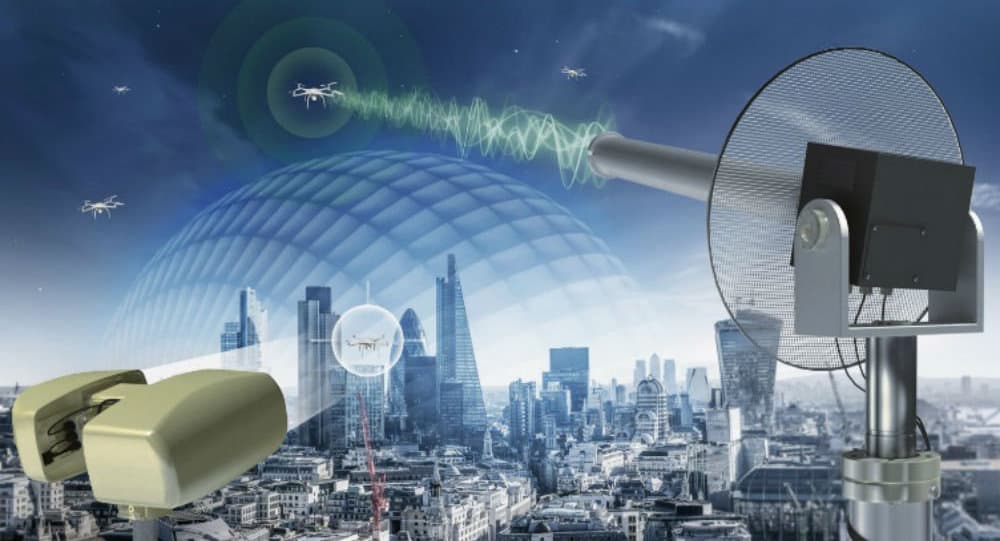
Drones and thermal vision have been held up to the common citizenry for years as the end-all-be-all of combat and surveillance technology. I can’t tell you how many times I’ve heard the claim that no one can hide from thermal imaging and that predator drones herald the end of free resistance to tyranny.

I find this assertion to be rather absurd, considering militaries across the globe have already developed their own thermal evasion suits (which means it IS possible to hide from thermal vision) and drones seem to kill more innocent bystanders than actual enemy combatants. I will admit that thermal vision use is skyrocketing amongst military and police across the board, and this is because it is indeed effective to a point.

Thermal imaging and drones in the hands of a corrupt establishment make a couple of things very difficult for any resistance – First, you might be able to hide, but you won’t be able to move freely without risk, especially in groups. Second, you might be able to act defensively, but never offensively.

Advancing on an objective protected by thermal surveillance would be extremely difficult. Constantly being on the defensive takes the initiative away from those who want to fight back against tyranny. Without the ability to go on the offensive, you will inevitably lose. Hiding in a hole in the mountains for the rest of your life is not an option if you want your children and their children to experience liberty.

Today’s combat reality is that of the digitized battlefield. All modern military units now rely on full spectrum surveillance, computer models, and real time data. Thermal vision is a cornerstone of this model because it is currently the best way to identify potential threats before they can act, rather than after they act. Unfortunately, there is no doubt this kind of surveillance power will be misused, and the spread of drones for domestic applications proves that the establishment’s intention is to utilize thermal against the population, rather than in defense of the population.

Therefore, thermal vision must be negated if people are to remain free. We might not be able to fight against misused drones directly, but we can make their primary advantage useless. Here is how it is possible to remove thermal vision as a threat, and thus nullify the primary strength of the drones (and other weapons) in our skies:

Thermal Vision And Drone Misconceptions

Now that you know it is more than possible for civilians to obtain thermal evasion, lets go over some of the most common misconceptions about thermal imaging and drone technology.

Building a suit that hides a person from thermal imaging is impossible?

Clearly, this is false, as we have shown in the video above. Add to this the fact that military units field their own thermal evasion suits (multi-spectral camouflage) for special purposes, and I think we’ve permanently buried the ludicrous assumption that a thermal evasion suit is a fruitless endeavor. Most existing suits, including those used by governments, boast a thermal reduction rating of 60% to 80%. It is important to recognize that there is currently no organization or company offering thermal evasion suits for widespread use by civilians. We have given the public free access to information on building their own suits if they wish, and we are offering professionally made suits for sale with a thermal reduction rating of 90% or more at Snakebite Tactical.

We made no attempt to hide “heat spots” within the tests in the above video. We want to make it clear that this is a 90% effective suit, which is more than enough for almost any application. Achieving 100% reduction at distances of 10 ft to 10 yards in a wearable suit is very difficult, and a person would still need to practice proper field craft in order to remain unseen. However, we believe our suit design more than meets the standards of currently issued military grade suits; suits which are not available to the public anyway.

Thermal imaging sees through walls?

This is movie-land nonsense. A thermal imager can see the heat you emit through a very thin wall if you are leaning against it, but remove your body from contact with the surface and the heat signature will disappear. Thermal imagers have a difficult time identifying stationary people through leaves and the branches of trees, let alone walls. As long as you are not in contact with the item, your heat will not be seen through the item.

Thermal vision sees through forests?

No. Not a chance. In fact, if your only goal is to hide, then a thick forest is the absolute best place to be if thermal surveillance is in use, even without a suit. If your plan is to advance on an objective, then the situation changes, but if you are a lone individual that just doesn’t want to be found, staying in the woods and dense terrain away from people who might rat you out is your best bet. Apply a thermal suit to the scenario and now your are fully mobile without fear of detection.

You will never see a drone coming, so having a suit is meaningless anyway?

Gotta love this kind of fuzzy logic. The claim apparently assumes that drones simply fly miles above the Earth silently raining hellfire missiles down on random heat signatures on the ground without identification. This is not how drones operate.

Drones are mainly used as OVERWATCH for teams of men already on the ground. A drone might see your signature when you are not wearing a suit, but a drone pilot will not waste ordinance on you until you are identified as a viable target. Most of the successful strikes you see in the news and on YouTube are targets that were already lazed by a team on the ground (this is something the DoD rarely mentions, because they want to retain the mystic surrounding drones).

The drone is then sent in to attack the target that the team identified. When a military unit comes into contact with an enemy, a drone may be sent in to observe and identify targets. This is a situation where thermal evasion is essential. If those targets throw on thermal evasion gear, the drone becomes a useless platform.

If you are under threat by drones and ground opponents, you can leave the area at will without being traced, or you can advance and attack your aggressor without being betrayed by your own heat signature. Your suit does not need to be worn at all times in order to be useful.

I don’t need a thermal evasion suit, I can just buy a thermal blanket or tarp at a fraction of the cost?

The first and most obvious advantage to a thermal evasion suit is that it CAN BE WORN. There is no existing tarp or thermal blanket system that can be worn against the human body and still hide that body from thermal imaging. All of these items conduct heat which can be seen almost as soon as you touch them.

If a heat reflecting tarp was a practical working solution to thermal imaging, then you would see hundreds if not thousands of videos on the web proving their effectiveness and governments would not be keeping their own suits such a secret. The reality is, these items are only useful if you plan to stretch them out above you without physical contact, and stay in one place without moving. They are highly defensive in nature and severely limited in their application.

We have developed the very first thermal evasion system available to the public that can be worn for long periods of time and that also provides effective visual camouflage. Our suit works as a ghillie as well as a thermal evasion tool, meaning, it works in thermal, and in visible light.

A thermal cloak offers near total 360 degree coverage against thermal imaging devices in the air and on the ground while the person is also mobile. Meaning, instead of constantly hiding from the enemy and being on the defensive (a losing strategy), you can advance on the enemy if you wish without detection. There is no comparison whatsoever in the level of application between a thermal blanket and a thermal suit.

This does not mean a suit solves all your problems. If you walk through an open field and start break-dancing, someone will see you. A thermal suit does not necessarily hide blatant movement by the wearer. You still need to follow proper field craft methods including the use of cover and concealment. Add to this the thermal reduction properties of the suit, and you are much less likely to be detected, even under heightened scrutiny.

I don’t need a thermal suit, I can just hide in the city amongst the crowds and blend in?

I’m sure there are situations when operating in a city might be called for, but frankly, the idea is extraordinarily ill conceived when one considers the surveillance grids being put in place in most major metropolitan areas.

Thermal is not your worst enemy in the city. Try CCTV networks with facial and biometric recognition. Try numerous possible collaborators and quislings in a city environment (known for more passive and subservient populations permanently attached to the establishment umbilical cord) who might point the finger at you. The city is a BAD place to be under almost any circumstance that results in crisis and lost liberty, and probably the worst place to be if you are trying to avoid observation and surveillance.

That said, watch almost any police chopper thermal footage in a city and tell me the person being chased was better off without a thermal suit. Imagine you are being chased for simply being a proponent of liberty. Imagine that one day you wake up in the middle of your home city a designated criminal. Would you rather have a thermal evasion suit, or, do you plan to outrun the chopper?

Mud will hide your heat signature?

No, it will not. At least not for more than a minute, and it better be some thick friggin’ mud. Despite what Arnold Schwarzenegger may have taught you, heat transfers through mud just as it does through most other materials.

Drones will find you with LIDAR if they can’t see you with thermal vision?

LIDAR is a form of laser based radar which is bounced off surfaces to create a 3D map of a large area. I’m not sure exactly where the idea came from that drones use LIDAR for personnel detection, but this is simply not so, at least not currently. LIDAR is being tested by the DoD and private contractors for personnel detection using GROUND based 360 degree units, and the effective range of these experimental units is rather limited. Aerial LIDAR is used for mapping of terrain.

The complexity of ground based objects (think in terms of millions of objects in any given field of view) makes personnel tracking from the air all but impossible. Ground based LIDAR also requires a recognizable human shape at close range in order to “alert” on an intruder, which means the ThermTac suit (which removes normal human shape) would only HELP in preventing detection. From my research as of 2015, LIDAR for surveillance often suffers from numerous false positives, which means it is a very weak system for tracking personnel. Thermal vision is a far greater threat than LIDAR.

Even if you have a suit that blocks your body heat, you can still be tracked by your footprints?

Under perfect conditions and the use of a sensitive thermal imager on the ground, your footprints MIGHT be visible using a ground based unit right after you imprint them, but it is still unlikely you will be found. Quick thermal imprints (caused by footsteps) disappear within seconds, and are difficult if not impossible to pick out from any distance beyond a few yards. Rubber and plastic soled shoes do not in most cases transfer very much heat into the ground, and the theory that crushed grass releases more heat in thermal imaging is utter nonsense.

Too many ideas about thermal imaging are drawn from television and movies, which greatly embellish the capabilities of such devices. If footprints were an effective way to track people using thermal, then Search and Rescue units (many have access to excellent thermal devices) would have numerous examples of this along with numerous success stories (these examples do not exist).

One legitimate danger involving footprints occurs when a very large number of people (small groups are not an issue) travel together in single file. This constant imprinting on the same path by multiple footfalls can indeed leave a residual trail that can be found several minutes later, enough time to be tracked by a thermal imager.

Thermal evasion suits will help terrorists?

As stated in the video, the world’s worst terrorist groups are often trained by our own governments and covert intelligence agencies. If covert agencies have access to thermal evasion techniques, then it only follows that so do the people they train. I have no doubt that we will be accused of aiding terrorists by releasing this information, because that is really the only recourse the establishment has to try to stop the use and spread of thermal cloaks (or they will claim that the suit is a scam and doesn’t actually work.

Of course, people will be able to test this for themselves). They will have to try to shame people into refusing to adopt thermal evasion as a means of defense. Trust me, I’ve seen this kind of propaganda used against people merely for talking about methods that MIGHT work. Read any military forum where someone discusses thermal evasion, and invariably a dozen henpecking statists will ask them if they are “with ISIS or Al-Qaeda” to shut them up.

Self-defense is an inborn right, not a privilege granted by arbitrary authority. You do not need permission to obtain means of defense against a threat, even if that threat has thermal imaging at his disposal and a license from the state to kill you. Our thermal suit design is a culmination of three years of tireless effort.

We believe the information belongs in the hands of the citizenry, not only in the hands of governments and those they train. The greater threat to the common good is a lack of knowledge that makes free people weak and vulnerable. The goal of this project is to remove a clear weakness in the American people. If you are not informed, and not prepared, then you will never be secure. Some people would have you believe that thermal imaging and drones are for your safety.

We say YOU are the only person that can be trusted to provide for your own safety. If anything, thermal eyes and lurking drones present a more intense danger to you and your freedom than any terrorists they are supposedly intended to fight against.

Filed Under: Security

Real (No B.S.) Survival Lessons from Ukraine

May 26, 2020 M.D. Creekmore

survival lessons Ukraine

Contributed By Fernando “FerFAL” Aguirre – visit his blog at The Modern Survivalist

The war in Ukraine is a tragic event but it’s one that we can all learn from. Nothing provides as much valuable information as real-world situations where ordinary people are forced to deal with extraordinary events.

At the end of the day, the war in Ukraine gives us plenty of examples of what works and what doesn’t, and while personal experience is important, the wise person learns from other people’s mistakes so as to not repeat them himself.

There are several articles explaining what people have gone through in eastern Ukraine. This article over at Daily Mail provides a good visual image of what people are going through.

There’s also a thread in survivalist boards where a Dunbass resident that goes by the name of George1980 has been posting, sharing his experiences. I highly recommend reading it if you have the time.

Using this information, here are twelve important lessons based on what has happened so far in Ukraine:

Artillery & infantry beats survivalist hero fantasies. Every. Single. Time.

Maybe the most obvious lesson to be learned is how miserably all these fantasies about forming survival groups, living in a retreat while fighting against impossible odds would ultimately fail.

There’s simply no surviving against an occupation force when facing them as an individual or small group.

Houses, towns and even entire cities can eventually get surrounded and overpowered. A single house or compound represents a laughable resistance to organized armed forces, let alone ones with artillery and air support at their disposal. Once shooting at your position is no longer fun, they’ll just blow you up. It’s as simple as that.

Cover the basics. Food, water, shelter, and medicines.

In various parts of eastern Ukraine, People are suffering the lack of water, electricity and food shortages. You need to store food, food that requires no refrigeration and little or no cooking. You need water, not just a water filter (which you should have as well – click here for my recommendation @ Amazon.com) but actual jugs of water.

For true emergencies and survival situations, just like you can’t have too much food you can’t have too much water. Have a well, have a river if nothing else keep an eye out for large barrels on sale and keep some full of water.

Even the jugs for carrying water become valuable. Have a good supply of medicines: ibuprofen, vomit and diarrhea medicine, liquid ibuprofen for children, bandages, diapers, formula, and antibiotics.

Antibiotics are the difference between life and death when you need them (click here to legally order Antibiotics online without a prescription @ Camping Survival).

Have lanterns, flashlights and lots of batteries. Get an emergency crank radio. Get a solar charger (click here to see my recommendation @ Amazon.com)for your phone and batteries. Have alternative means of cooking and heating.

A wood-burning stove may do the trick, but make sure you always keep extra wood stored for emergencies.

Maybe you’re lucky enough to still have power, if so an electric burner can be put to good use then, saving other fuels for when the power goes out. Have extra fuel in storage for your vehicle, enough to make it to your potential bug out location in case you have to leave in a hurry.

Have a tent and sleeping bags. These can be used not only for sleeping in tents but also if you happen to find yourself in a refugee camp during winter or in an unfurnished flat after evacuation or if you’re staying with friends or family.

In a shelled city, underground is the only safe place to be, to some extent at least. An actual bunker would be ideal, but people try finding shelter anywhere underground. In buildings, windows and doors are covered with sandbags and people sleep in the interior room away from exterior walls and windows. Windows never survive shelling. The broken glass makes it impossible to stay warm in winter.

Plastic sheeting can sometimes be used to close openings and still allow light in, but this is far from an ideal solution and he loss of heat is substantial.

Don’t get involved.

From a survival perspective, the best way to go about conflicts that can develop into violent clashes is to not get involved in the first place. Avoid going to protests and marches. This is especially true in cases such as the one of Ukraine, where people are seen on one side or the other during protests and clashes, often filmed.

Something as simple as a rival remembering your face from the rallies can land you in jail or worse. In this kind of situation, it’s even neighbors, former friends, and coworkers that may remember your political affiliation. They may end up mentioning your name to the new authorities and they will come after you.

Attitude, clothes, and gear can get you killed or arrested.

Here is where the gray man approach comes into play. Be as neutral as possible not only regarding your actions and behavior, but also when it comes to insignias, clothes, and gear. Even beards or unusual or characteristic hairstyles can get you in trouble.

According to George1980 “There was a very unpleasant situation on the Ukrainian check-point when one soldier wanted to arrest me as separatist)) Fortunately, my wife and daughters were with me and this soldier did not stop me. Problem was that I have a beard and, maybe, my face was very “suspicious” ))) Soldier told me that)”.

Flag of Ukraine

Checkpoints in Ukraine are there for a reason: finding enemies. Having a weapon can get you into trouble, but also things such as maps, GPS, political propaganda, radios, this can all be considered espionage material. Adventurers traveling around the world have often mentioned how they get arrested in war zones because of their cameras and laptops.

You’re not local, you have electronics capable of being used for communication, then you’re a suspect until proven otherwise. Lots of people have GPS, radios, and maps in their Bug Out Bags. Just make sure to be smart about it and understand that in some cases, when dealing with factions fighting to overpower, it can get you in trouble and its better to get rid of some of it before reaching a checkpoint.

Learn to deal with checkpoints.

In checkpoints, women and children aren’t as carefully inspected as men. Private vehicles are checked much more thoroughly than public transportation. Maybe you’re better off taking a bus or train.

It’s important to travel light and be in good health and properly dressed to walk long distances if needed. Bribes may be needed so have cash. A hidden weapon may get you killed or arrested. Is it worth the risk to conceal a handgun among your belongings while evacuating?

Probably not, but you’ll have to decide that for yourself given your specific situation. Valuable items such as jewelry, cash, and even electronics may be “confiscated” or downright stolen by the troops. Conceal them as well as you can. Cash and small gold coins can be hidden in shoe insoles, inside children toys or dirty diapers in the baby’s diaper bag.

Coins can be sewed under jacket patches and insignias, under buttons. Women have managed to hide small rolls of cash inside them as if they were tampons, placed inside condoms. Refugees have swallowed small gold coins and jewelry so as to be recovered later.

Desperate times call for desperate measures. When it comes to gold vs silver, gold is more compact and easier to hide. I wouldn’t like to swallow 1000 USD worth or silver coins!

Guns can save you, but they can also get you killed.

According to George1980 “separatists very afraid Ukrainian saboteurs on their territory and try to catch every man with a gun who is not from their “Army”.”

Are you fighting along with one of the factions involved? If not, then make sure you’re not confused with one. If you just want to be left alone, then don’t openly carry a gun. Openly carrying a weapon means you are a fighter on either side of the conflict. If you’re not with either one, BOTH will consider you an armed enemy.

At the end of the day, a gun can save your life, but in a world of no easy black and white answers, a gun can also get you killed. Keep any weapons concealed, and be ready to ditch them, sell them or cache them depending on the situation you are involved in. Just going gun-ho is not the one and only answer to all problems.

I sure would like to be armed if I was still in Argentina today. If there’s trouble, 1000 bucks will most likely buy any cop’s silence. At the same time, in the 70’s during the military Junta and state terrorism, going around armed in Argentina wasn’t a good idea if you wanted to avoid trouble.

If you were caught and found to be armed, the security forces would immediately assume you were a montonero, a leftist terrorist, and you would be tortured, executed or go “missing”. During these torture sessions, people that had no involvement would often mention the names of innocent people, just to stop the tortures.

Just being in the wrong phone list of a coworker or fellow student was enough for the security forces to pay you a visit.

Get a Glock 9mm and a rifle with a folding stock.

As explained earlier, you want to be able to conceal your weapons. Eventually, you may have to leave behind your rifle and even your handgun. You sure won’t be boarding an evacuation plane with one. What about going through checkpoints? Is it worth getting killed or arrested?

Or are you better of selling your gun to someone that is staying behind, grab a few extra hundred bucks just as you board a bus or train leaving the conflict area? You want a gun that is ubiquitous, that fires a common round and has a well-known reputation.

Basically, you want a great weapon that works well for you, but you also want a weapon that is eventually easy to sell as well. Conflict or not, Glocks and AKs are great staples.

Passports and ID are crucial.

When traveling away from the conflict zones in Ukraine you better have your ID. Soldiers at checkpoints will want passports, driver licenses or other ID proofs. They may not ask for them all the time, but if they do, you better have them. They will want to know as much about you as possible.

If you get the chance to leave the country, you better have your passport ready as well. Other countries are already refusing to offer asylum to refugees. Here is where second citizenship would be just priceless.

While others are refused entry, having an EU passport would mean you could just board a plane and start over elsewhere while others are refused entry entirely or have to go wherever they offer asylum. Because of this, having updated documents is very important.

Many Americans fail miserably at this part and just don’t understand how important it is. My parents grew up in Argentina during the 70’s. Even years after the end of the dictatorship, I remember the look on their faces if they forgot their wallet when going out. They were terrified.

Back in the day, getting stopped by the police and being caught without your “documentos” meant you weren’t making it back home that night. If you couldn’t prove your ID, you were considered an enemy/extremist/spy.

The Triple-A (Argentine Anticommunist Alliance) were constantly looking for left-wing activists. People have been arrested and tortured just because they had long hair or dressed like hippies.

You wanted to be as gray as possible, literally gray, so as to avoid being thrown inside one of the Triple A’s infamous olive green Ford Falcons, never to be seen again.

Cash is king

Food was still available in Donetsk, but people just didn’t have enough cash to afford it. With inflation being about 30% a month, food prices go up accordingly, so you’re better off with Dollars or Euros rather than local currency.

They may not be accepted in some chain stores, but you can exchange them on banks or on the streets at the ongoing currency exchange rate, protecting your savings from inflation and only changing for local currency as needed.

At one point George1980 said, “So my conclusion is so: cash is the main tool of a survivor!” I couldn’t agree more. And don’t forget about silver and gold – Renaissance Precious Metals has a good inventory at competitive prices.

Work on your EDC

The poorest refugees arrive by train and bus, while those with means come by car.

When bombs began falling close to an elderly woman’s home near Lugansk’s airport, “the granny grabbed her granddaughter, and they jumped on a train and came here with only the clothes on their back,” Shapoval said.

http://www.usatoday.com/story/news/world/2014/07/02/ukraine-war-refugees/11927955/

One day it may be all you have to work with. George1980 mentioned how important a good multitool was, how at times it was the only tool he had after leaving Dumbass and moving into an empty flat. This is actually a great point. I always think of my everyday carry kit in such terms.

If the flashlight I have in my pocket right now is the only one I’ll ever have or the one I’ll have to use to get by for years. Which one would I rather have? If my folding knife is the one I’ll have for defending myself, for prying open a window or a door after artillery hits my home or for preparing food, what kind of knife would I like to have?

How about having to sell that knife for much-needed cash or use it to bribe a Ukraine or Russian soldier in a checkpoint, which knife and multitool would I like to have to bargain with? What if I have to leave with nothing but the clothes on my back, I evacuate on foot with my family, everyone soaking wet, can I start a fire? As a matter of fact, do I even have enough cash to buy bus or train tickets for everyone?

Open an offshore account

Greece, Ukraine, Iceland, Argentina, doesn’t matter where it is, when things get ugly, the currency starts devaluating and banks close their doors you’ll want an offshore account. Maybe you keep some of your savings there. Maybe you make a transfer just in case when you hear some bad rumors floating around. Transfer fees aren’t very high and its cheap insurance.

One thing is for sure: Just like you can’t buy a gun when bad guys are kicking down your front door, you cant open an account in a foreign country just when the local economy is about to go to hell. You need to do these things ahead of time.

An offshore bank account means you can keep some of your savings abroad, move money around, move elsewhere and keep your money safe even if your country if falling apart. People in Ukraine sure understand the value of such an asset.

Be ready to bug out and know when to do so

If there is one thing we can learn from the war in Ukraine, as well as war and conflict in other parts of the world, is that not being there is the best thing you can do to ensure your survival and well-being of your family. Always have a bug out abroad plan, no matter who you are or where you live.

Just think about it. If you had to leave your country today, (don’t think of all the reasons you wouldn’t, just for a second, think about it as if you didn’t have an option). Where would you go? Do you know someone there that can help you?

Finally, know when it’s time to leave. This is something I address and emphasize in my book “Bugging Out & Relocating”. It’s about having a plan but also crucial, it’s about executing it at the right time. Those that hesitate, those that choose denial when the signs are all over the place, they may live to regret that.

A day too late, an hour too late may make all the difference in the world.

Why Ukraine is trapped in endless conflict


Bio: Fernando “FerFAL” Aguirre is the author of “The Modern Survival Manual: Surviving the Economic Collapse” and “Bugging Out and Relocating: When Staying is not an Option”.

Filed Under: Prepping

  • « Go to Previous Page
  • Page 1
  • Interim pages omitted …
  • Page 18
  • Page 19
  • Page 20
  • Page 21
  • Page 22
  • Interim pages omitted …
  • Page 79
  • Go to Next Page »

Primary Sidebar

Subscribe to Blog via Email

Enter your email address to subscribe to this blog and receive notifications of new posts by email.

Join 7,202 other subscribers
  • Amazon
  • Facebook
  • Substack
  • Twitter
  • YouTube

“Do more with less.”

– Minimalist proverb

Recent Posts

  • Just so you know
  • Weather Update for My Corner of Appalachia
  • Why I’m Ordering Ivermectin + Mebendazole Every Year
  • The Website’s Shutting Down (But Here’s the Plan)
  • You Are Hated! Start Training Like It!

Footer

Recent Posts

  • Just so you know
  • Weather Update for My Corner of Appalachia
  • Why I’m Ordering Ivermectin + Mebendazole Every Year
  • The Website’s Shutting Down (But Here’s the Plan)
  • You Are Hated! Start Training Like It!

More about me

Books I’ve written

Books I’ve read

Follow Me on YouTube

Follow Me on Facebook

Gear I Use and Recommend

Newsletter

Search this site

Follow me elsewhere

  • Amazon
  • Facebook
  • Substack
  • Twitter
  • YouTube

© 2008–2025 M.D. Creekmore · As an Amazon Associate, I earn from qualifying purchases.