• Skip to main content
  • Skip to secondary navigation
  • Skip to primary sidebar
  • Skip to footer

M.D. CREEKMORE

  • Blog
  • Books
  • Newsletter
  • Gear I Use
  • About
  • Contact
  • Facebook
  • YouTube
  • Blog
  • Books
  • Newsletter
  • Gear I Use
  • About
  • Contact
  • Privacy Policy

Blog

My Favorite Concealed Carry Gear (For 2020)

October 24, 2019 M.D. Creekmore


IWB Holsters

When it comes to inside the waistband holders I have several favorites but if I had to narrow it down to just one IWB holster I’d have to choose the Alien Gear Holsters Cloak Tuck 3.0 IWB, Holster (check Amazon.com for current price and availability). As far as IWB holsters go this one is the most comfortable and well made of all the ones that I’ve tried and it’s available to fit a large number of different brands and models of concealed carry handguns.

My second choice for an IWB concealment holster is the Concealment Express IWB KYDEX Holster (click here to check current price and availability at Amazon.con). Fortunately, most brands of KYDEX IWB holsters are well made and to be honest it’s hard to find a meaningful difference in the majority of them.

And if you’re on a super-tight budget then the BLACKHAWK Inside-the-Pants Holster is a super low priced IWB holster that will serve you well (check current price on Amazon.com).

Belt Holsters

I seldom carry in a belt holster because I prefer to carry concealed, however, the exception being when I’m hiking the national park trails or riding my UTV in deep far-a-way back in the boondocks locations and for this, my favorite belt holster is the Model M12 Universal Military Holster. This holster offers protection while still leaving the sidearm easily assessable.

My second favorite belt holster is the Desantis Facilitator Holster (check current price and availability at Amazon.com). One of the downsides to open carry is the possibility that an attacker will try to take your handgun when starting their attack and the Redi-Lok system that comes with Desantis Facilitator Holster will make doing this successfully much more difficult for the attacker.

My third favorite belt holster is the Bianchi Accumold Holster Belt Slide (check Amazon.com for price and availability). It’s light-weight and offers some extra retention via the thumb-break, however, it’s not as secure from a grab-attack as the Desantis Facilitator Holster that I mentioned above.

Pocket Holsters

When carrying smaller handguns a good pocket holster is hard to beat. Need to run to the corner store or out to the mailbox? Don’t want to go through all of the trouble of putting on a belt and IWB or belt holster? Well, the pocket holster is your best option. Just slide it into your pocket and go…

I carry my Smith and Wesson Air-Weight in a DeSantis Nemesis pocket holster and love it (you can check it out on Amazon.com). I concealed carry the Smith and Wesson Air-Weight more than any other handgun and I don’t see that changing anytime soon.

Tactical Knives

Oh, wow, choosing my favorite concealed carry knives was very difficult, to say the least because there are so many great knives on the market today and I own so many, but then owning so many allows me to give knowledgeable suggestions from hands-on experience.

Once Tennessee changes the knife laws allowing legal ownership and carry of automatic (switchblade) knives, I went as fast as I could go and bought a Hogue automatic knife, and I’ve carried it every day for over two years and give it my highest recommendation.

My second favorite concealed carry knife is…. wait for it… the Columbia River Knife & Tool M16-Z! This is a very well made quality knife that’s also very reasonably priced. And the locking system is fantastic! If you’re looking for a concealed carry knife and automatic knives like the Hogue that I mentioned above aren’t legal in your state then this is a great alternative.

Okay, now on to my third favorite concealed carry knife and that’s the BLACKHAWK! Crucible II Folding Knife with a plain edge (check it out at Amazon.com). I’ve owned this knife for over five years and carried it a couple of those and have no complaints at all and at the current listed price on Amazon.com it’s hard to beat.

Please read my article on Tennessee Knife Laws if you’re interested in carrying a knife in Tennessee.

Tactical Lights

Like concealed carry knives, the mention of tactical knives gets folks looking straight and paying attention because most of the folks who are into such things as firearms and concealed carry have their own opinions as to what’s the best tactical light. Below are my current top picks…

My number one choice is the SureFire G2Z MV Combat Light, small, light-weight and easy to carry while putting out a blinding amount of light onto (you can check current price and availability at Amazon.com).

As for a general-purpose light, my top choice is the Duracell Durabeam Ultra 700 Heavy-Duty LED Flashlight (check current price and availability on Amazon.com). I have four of these with two in my house, one in each automobile and one in the garage. It’s hard (probably impossible) to beat these at the same or lower price.

Carry Belts

If you’re going to open carry and or concealed carry then you’ll need a good belt and my current favorite is the Relentless Tactical The Ultimate Concealed Carry CCW Gun Belt. It’s a little pricey, well, for me anyway, but it’s a belt that will last a lifetime and in fact, it has a lifetime warranty.

Non-Lethal Options

Okay, we all know that carrying a concealed handgun is a big responsibility because once you pull the trigger to defend yourself and the bullet is out of the barrel there isn’t any bringing it back and if it hits then death or grave bodily injury will be the result.

This is why I like to have a non-lethal alternative available, so I have a choice of lethal action or non-lethal action depending on the situation and what is warranted. My favorite and what I believe to be the best non-lethal alternative is OC or pepper spray.

My choice is from Fox Labs – Fox Labs Pepper Spray – Flip Top Cone (1.5 ounces) click here to check current prices and availability on Amazon.com.

My Favorite Watch

While having a watch isn’t really connected to concealed carry, every man should own a good watch and it’s not necessary to spend several hundred dollars to own a good functional watch that also looks great.

When it comes to watches I have a couple of favorites. My number one favorite is the Vincero Luxury Men’s Chrono S Wrist Watch in all black and my second favorite is the Victorinox Men’s  Original XL Swiss Quartz Watch.

Filed Under: Security

How to Live in a Travel Trailer Full-Time

October 21, 2019 M.D. Creekmore

Most people don’t know that I’ve lived in two different travel trailers… this is the second one.

Can you live full-time in a travel trailer? Yes, you can. The main drawback is limited space but with a few simple hacks and downsizing, you can definitely live full-time in a camper trailer or RV. How do I know… I know because I’ve done it and even wrote a book about how I did it and how you can too.

While this article will cover the basics of what you need to know to successfully live full-time in a camper trailer or RV my book goes into greater detail and I suggest that you get yourself a copy of that book as soon as possible. You can click here to see it and read the reviews on Amazon.com.

Why Live Full-Time in a Travel Trailer?

Or course different people will have different reasons for living or wanting to live full-time in an RV or camper trailer, but the most common reason given by people I’ve talked to is to save money by not paying rent. And with the rates for rent going up and the size and included amenities going down choosing to live full-time in a travel trailer makes a lot of sense.

For me, it was out of necessity after a divorce. I already owned the land and the 26-foot travel trailer and it made sense to put the two together and have a paid-for place to live. It worked out great and I lived in that one for over two years.

Living there allowed me to save enough money to pay cash for another property, that was larger at almost six-acres. I sold the other property and camper and bout the one that you see in the photo above for $4600. It was one of the FEMA trailers that had never been used and was in like-new condition.

I don’t think that $4600 for a home is a bad deal at all… do you? Nope! I lived in that trailer for over a year while I saved money and then bought a two-bedroom mobile home and moved it to my property and then sold the FEMA trailer for $4000!

You can do the same. You just have to overcome the stigma associated with living full-time in a travel trailer or RV and learn to downsize your belongings or set up a storage building on your property to keep the things that you don’t have room for inside your trailer.

Choosing The Best Travel Trailer For Full-Time Living

Travel trailers are a lot like automobiles—they depreciate in value over time. From the moment you pull the trailer off the lot, it starts to lose value. In fact, recent research has shown that new travel trailers can depreciate as much as one-third over the first three years of ownership.

I bought my travel first trailer from a local man for $3,500. By comparison, he had paid $28,000 for it 11 years earlier. Folks, that’s a savings of more than $24,000. Buying new is a fool’s game and best avoided. Fortunately, finding a good used travel trailer isn’t difficult if you know where to look.

first travel trailer homestead
My first travel trailer full-time “homestead”. Note the solar panels…

It is amazing what you can find by driving the backroads. Many people who have travel trailers for sale will park them beside the road in front of their houses and tape a for-sale sign in the window. In fact, I spotted two trailers with for-sale signs attached yesterday on my way to the hardware store.

Keep in mind that these people are typically motivated sellers and will usually take less than they initially ask, sometimes a lot less. It doesn’t hurt to make an offer. Who knows? You could get lucky.

Simply let the seller know that you’re interested but your budget doesn’t quite cover the asking price. I often see used travel trailers listed in the classified section of the local newspaper or community shopper.

Again these are motivated sellers, who will usually sell far below their original asking price. Sometimes it is amazing at the price reduction you can get by making an insanely low offer. Sometimes travel trailers are listed on such Internet sites as eBay and craigslist.

Over the years, I’ve seen some nice ones listed for $2,000 to $3,000, but most are newer models that are out of your price range. As with buying properties online, never buy a travel trailer or RV sight unseen

Be sure everything in the trailer works properly before buying. The last thing you need is to expend all your resources on the land and the trailer only to find out later that your electrical system, plumbing, refrigerator, cookstove, hot-water heater, or furnace doesn’t work.

While some sellers are inherently honest and will tell you about known problems, needed repairs, or other surprises, many are not and have no compunction about ripping you off. The only way to be certain you are getting what you are paying for is to do your own inspection and tests of the essential components.

Start with the 12-volt lights. Simply flipping on the switch can check these devices. If the seller tells you the lights don’t work because the batteries are dead—charge them up. If the trailer doesn’t have any batteries at all in the battery compartment, use the one from your truck.

Next check the cookstove, furnace, water heater, and refrigerator to make sure everything works off propane. If the trailer’s propane tanks are empty, you could take one of the tanks to a propane distributor to have it filled, but preferably you have brought your own full tank to use if needed. Whatever you do, don’t buy without doing your due diligence.

Batteries that charged by solar and fed the power to the inside of the trailer.

The seller could have used the propane on his last camping trip, but then again he could be trying to hide the fact that some or all the propane appliances don’t work. Don’t forget to check the propane lines and appliances for leaks. You can do this with a spray bottle filled with water and soap. Spray the lines and look for air bubbles to form, indicating leaks.

After you are satisfied that all the propane appliances work, it is time to check the plumbing and water systems. Fill the holding tank and check for leaks. Turn on the 12-volt water pump to pressurize the system and check the sinks, shower, and toilet.

Don’t forget to check for leaks in the water lines, as well as under the sinks, pump, and tanks. Some of the lines can be in difficult- or impossible-to-reach places, such as behind walls, under floors, and inside cabinets, but check the best you can.

While you are checking for leaks, feel the floor and areas around and under the sinks, holding tank, shower, toilet, and water heater for soft spots and rot. Also, inspect the areas around windowsills and doors. Look for dark spots on the ceiling indicating leaks.

Be sure to double-check around rooftop air-conditioning units. Once you are satisfied with the interior, it’s time to look underneath the trailer. Check for rot, especially where the walls and floor meet the underneath area.

Problems here can often be fixed by replacing rotted wood, but if prevalent throughout, I would pass on this trailer. Inspect the condition of the insulation and weather barrier, but don’t be overly concerned if it is not perfect, as most of this can be easily fixed by adding more insulation and covering with 6-mil plastic sheeting stapled underneath.

Contrary to what you may have been told, size matters. You’ll obviously be spending a lot of time between those four walls, so the bigger the trailer the better. Just be sure you have a way to tow it to the site. Personally, I would not consider a trailer less than 21 feet in length.

Finding Cheap Land to Live On

Some of the best opportunities for buying cheap land come from individual sellers who no longer have use for the land. Heirs, retirees, farmers, timber and mining operations, and other types of owners may have land that they no longer need and are willing to sell for a reasonable price.

You never know unless you ask. “Fragment” properties held by states, counties, municipalities, or corporations are a good option to explore as well. They can sometimes go begging at an auction and be had on a negotiated sale.

After deciding where you want to live, get the word out that you’re looking to buy a small amount of acreage in the area for use as a campsite. No one needs to know that you plan to live on the property full time or use it as a survival retreat.

An RV park or rented lot is one option…

Run ads in the local paper and place notices at the local post office and area businesses. You might even consider running an ad on the local radio station or TV station. Try craigslist or other online sites. Perhaps the most productive way of finding land is to ask.

If you spot a parcel that you’re interested in but don’t know who owns the property, find the nearest neighbor and ask. This neighbor may own the property, or he probably will know who does. In my area, there are several small logging operations that purchase tracts of property for the timber, and after the timber has been cut they move on to the next tract.

They have no further use for the property after cutting and are happy to sell.

Since most of this land is in remote areas, you can often buy land at a ridiculously low price. And since it has been logged, if you replant some states will give you a tax break as a “tree farm.”

I found my first property by placing an ad in the local newspaper classifieds.  After running the ad for several months, I heard from the owner of a small logging operation that had operated in the area. The voice on the other end of the phone explained that he had several hundred acres of land that had recently been clear-cut that he no longer had use for and would sell for a reasonable rate.

I explained that I only had $2,000 and could not afford the entire property. We agreed that if I paid to have the parcel I wanted to be surveyed, he would sell me two acres for $2,000. After paying the surveyors, filing fees, and $2,000 to the seller, I was a landowner.

I haven’t had much luck finding cheap land through real-estate agents. Most make their income through commissions and generally aren’t interested in selling lower-priced properties, but then again, what do you have to lose but a few minutes of your time?

Tell the real estate agent that you are looking for a suitable partial of land to use as a campsite and weekend getaway. Explain that electricity, sewer, and water hookups are a plus but not necessary. Real-estate agents in my state can show and broker any property listed in the state where they are licensed, regardless of the original listing broker.

On the surface, buying land through a land contract arrangement with little or nothing down sounds like a great idea. It’s not. The purpose of buying cheap land is staying out of debt by paying cash, which is easy enough to do because of the quality and measure of the property being discussed here.

The standard land contract allows the seller to hold the title until you make all the payments. If you are late with a payment, even one time after paying on time for the past 19 years of a 20-year contract, the seller can have you removed by court order and take back the property while keeping all your money from past payments.

Another potential land mine with the seller holding your title is that he could have a mortgage himself on the property or he could lose it through a divorce or other court proceedings, in which case you could lose the property and any previous funds invested.

All land contracts are best avoided, as is any kind of mortgage debt if possible. One option, which might work if you would have a seller willing to work with you, is to buy the land incrementally. As in: “I have $2,000 and want two acres now; next year (or whenever) I want an option to buy XXX more adjoining acres for $x more cash.” This is subject, of course, to local ordinances regarding subdivision, etc.

Taking Care of Water and Sewage

When living full-time in a travel trailer providing for your water needs can the most difficult tasks to figure out and the solution depends of course on where you decide to set your trailer up for full-time living. Travel trailers and RV’s have a water holding tank and pump to pressurize the water that makes it a little easier to get the water into your trailer where you can use it.

If your property or rented lot has water on tap from the utility company or you are lucky enough to have talked a family member or friend into letting you park your travel trailer on their property then you’re in the catbird seat. Simply run a hose from the water source to your trailers intake to fill your tank turn on the trailers pump to pressurize the water and you’ll have a working sink, shower, and commode.

As for sewage, you might be able to empty your holding tank directly into your family member’s or friend’s septic tank system. If not then you’ll probably have no other choice but to hook to your trailer and pull it to a proper and legal location to empty your holding tank.

If you’re off the grid (away from public utility hookups), then things get more complicated in a few areas but it can be done. You might have to haul water in to fill your freshwater tank or if you have a suitable water source then you might be able to pump or use a gravity-fed system to keep your water tank full.

You could set up a rain-water catchment system and cistern set up in such a way that rainwater could be fed via gravity directly into your freshwater holding tank. Or you might be able to pump it from a nearby source such as a stream or spring, but this water would need to be filtered and purified before drinking.

Taking care of sewage when “off the grid” can be done by digging in a small “sepic tank” system using buried 55-gallon to collect waste. As detailed in Brian D. Kelling’s book Travel-Trailer Homesteading Under $5,000.

But keep in mind that this probably won’t be a “legal” setup but there shouldn’t be any problem unless you tell your business to someone and that someone then reports you.  But as a disclaimer, I have to tell you to check and follow all the laws and codes in your area.  

I took a different approach at my first “travel trailer homestead” and I go into detail about how and what I did to take care of waste in my book “Dirt Cheap Survival Retreat” be sure to pick up a copy of that book as soon as possible if you think living in a travel trailer full-time is something that you still want to do.

Power, Heating, and Cooling

Getting power inside your travel trailer can be as simple as plugging into the source or as complicated as putting in a solar setup if you’re going off the grid. While I don’t have the time or space to go into all of the information on setting up an off-the-grid solar power system (whole books have been written on the topic), I will instead point you to an excellent article that keeps it as simple as possible – Do It Yourself Off The Grid Solar Power System.

Propane refrigerator inside my first full-time trailer...
Propane refrigerator inside my first full-time trailer…

You will also find detailed plans about how I did it in my books linked to above and how Brian Kelling did it in his book. There isn’t any certain way to do this… you’ll need to follow the basic principles and safety precautions and figure out what works best for you but that article and those books will give you a great start.

Generators for Campers

One of the biggest mistakes I made was buying a cheap gasoline-powered power generator that after a few months use started giving me trouble and not starting and or shutting off when in use. I suggest that you buy a good power generator from the start.

Two that I recommend are the Honda EU2200i, you can read my full review here, and the Champion 75537i. Get the best that you can afford from the start and you’ll have less trouble and be much better off in the long-term.

propane cook stove
Propane cook stove inside my first full-time trailer…

To keep the inside of the trailer cooler in summer it’s best to park it in the shade… or better yet, under a shed… think about a carport such as this one on Amazon. Parking your trailer in the shade or under a carport such as that will help to keep the sun off it and thus help to keep it cooler on the inside.

The carport will also help to keep your trailer looking new and also it will last longer covered by the carport because there is less of a chance of a leak developing in the roof of your trailer that could cause water damage inside.

For heating, I prefer propane and propane and a propane wall heater such as this one at Amazon.com will keep you warm during the colder months.

Cooking and Refrigeration

This part is actually the easiest because travel trailers are already set up perfectly for off-the-grid cooking and refrigeration using propane. With the correct adapters, you can easily hook your trailer up to the larger 100lb propane tanks if you want to change out the empty tanks for full ones less often.

Legalities of Living Full-Time in a Travel Trailer

Depending on where you are in the country (or the world) laws differ and there could be some legal hurdles to overcome when living full-time in a travel trailer or RV, however, these are typically easy to find a “work-around” that will keep the paper pushers happy and still allow you to live full-time in your camper, travel trailer, or RV.

Conclusion

Living full-time in a travel trailer isn’t for everyone, and there are a few challenges but it is a great way to save money to buy or build a “proper home” later and be debt-free. I’ve done it so I know it can be done. I hope that this article gave you a few ideas and answered some of your questions.

If this is something you’re interested in doing then I suggest that you get my book “Dirt Cheap Survival Retreat” and Brian D. Kelling’s book Travel-Trailer Homesteading Under $5,000. These two books will cover everything else that you could need to know.

Filed Under: Homesteading

What Are The Best Alternative Heat Sources to Use During a Power Outage?

October 21, 2019 M.D. Creekmore

Let’s face it, heating your home during a long-term power outage is probably one of the biggest challenges that a homeowner facing the cold winter has to overcome. You have to keep your body temperature in the normal range i.e. above 95 F (35 C) or hypothermia will start to set in.

When your body temperature drops, your heart, nervous system and other organs can’t work normally. Left untreated, hypothermia can eventually lead to complete failure of your heart and respiratory system and eventually to death. From: The Mayo Clinic – Hypothermia.

In other words, you need a shelter and to be able to keep that shelter warm enough to keep your body temperature above 95 F (35 C) and you need to be prepared to do this for as long as the disaster that caused the grid to go down lasts and depending on the severity and length of the situation you’ll need to be able to do this without attracting unnecessary attention to your location.

Not an easy task to say the least – but it can be done with proper planning, preparation, and work… Let’s get started…

What are the best alternative heat sources to use during a power outage? That’s a good question and our top choices include a wood stove, coal stove, fireplace, ventless propane heater, natural gas wall-heater or fireplace. It’s also, important to have warm clothing and cold weather sleeping bags. Also, having a well insulated house goes a lone way towards keeping warm during a power outage.

Location

One of the first things to consider when planning ways to heat your home during a power outage or long-term grid-down situation is where you’re located. Where is your home/survival retreat? No, I’m not asking you to tell me or to post it in the comments section, I’m just asking you to consider where you are or plan to be and the winter climate in that area.

For example, if you’re a prepper living in Sanders Montana or in Great Falls where the coldest recorded Temperature was a bone-chilling 43 degrees below zero then you would have to put more thought and effort into keeping your home heated during the long winter months than you would if your location was in the redoubt of the east (Tennessee’s Cumberland Plateau area).

Keep your location in mind when reading the rest of this article and plan accordingly… the warmer the average winter temperatures are in your chosen area the less of an issue heating your home in winter will be. This is so important that I think that winter temperatures should be a major consideration when choosing a survival retreat location.

Your Home

Your second consideration for heating your home during a power outage or long-term grid-down situation should be the home itself. My advice is that if you’re building your home yourself or remodeling then over-insulate, meaning go above the recommended home insulation standards for your area.

If your home is already built and you’re not planning a full remodel then do what I did and add extra insulation inside the attic. My attic was already well insulated for my area, however, I decided to have a contractor add extra blown-in insulation to the attic to a rating of R-60.

Also, make sure all doors and windows seal tight when shut and are the best that you can afford. If your windows are old, worn out and not energy-efficient then have those replaced with better windows if your finances will allow it.

Also, consider adding a clear plastic sheeting, heavy insulating curtains and window shades to help keep the cold out and heat in. The heavy curtains will also help to hide any light inside the house from anyone passing by outside which could be a security risk.

Here is an excellent article on energy-efficient windows with tips to make yours more energy-efficient… Read it and then implement all the tips and advice that you can and you’ll see a big improvement now and when the grid goes down.

Dress For The Cold

To survive the cold during a short-term power outage or long-term grid-down situations you’ll need to dress properly for the environment. And keep in mind that you’ll probably be sleeping in your winter clothes so be sure to think of comfort as well as warmth when buying your cold-weather clothing.

When dressing for cold weather the key is layering. Start with thin layers first and then top it off with a protective outer layer that insulates as well as traps air and stops the wind. This outer protective layer should also protect your other clothes from rain and moisture when you’re outdoors.

For example when indoors without heat or when having to conserve heating resources in the home you could wear heavyweight thermal underwear as a base layer, and top it off with RefrigiWear Iron-Tuff Hooded Coveralls or similar outerwear.

If you’re like me then no matter how well dressed your body is your feet still get cold. I can be warm and comfortable everywhere else and still have cold feet. To help with this use the same layering principle that you did with your other winter clothing.

To keep my feet warm in cold weather indoors and outdoors I start with ultra-lightweight liner socks to keep my feet dry and then a cold-weather boot sock and then well-insulated winter boots. My top choice for a winter boot is the Sorel Men’s, Conquest Boot.

The same layering principle should also be used to keep your hands warm i.e. thin gloves or glove liner like the Terramar thermasilk glove liner covered by a thicker insulated pair of winter gloves will keep your hands warm during a power out long-term grid-down situation.

Let’s not forget about the face and head, consider a skull-cap or stocking cap for cool weather and a Russian style earflap hat for colder weather.

Last but not least invest is a good cold weather sleeping bag (or two) for each member of your family or group, or better yet have them to buy their own. I prefer the Military Modular Sleep System – you can read a full review here.

The Urban (or rural) Igloo

It’s easier to keep a smaller space warm then a larger one so if fuel to heat is limited it’s a good idea to only try to heat part of the house. For example, if the main heat source is in the living room area as is commonly the case then you can keep the interior doors that lead into the other rooms closed. You can also hang heavy blankets or similar insulating materials over those doors to keep the warm air from the heat source in the confined space and the colder air out.

Doing this will help to concentrate the heat into a smaller area which will keep you stay warmer while at the same time conserving fuel resources.

Taking this a step further is what I call the urban igloo. This concept will work in the country as well but would probably be more likely to be put to use by folks who were caught in the city or apartment or public housing where having alternative long-term heat sources are not an option.

The urban igloo is a simple concept and just about everyone should have the materials needed for its construction.

The First step is to take the mattress off the bed and place it underneath the kitchen table or similar table or frame. Next drape heavy blankets, quilts, rugs and whatever else that’s on hand over the top and down the sides to make what is essentially an indoor tent or igloo. Hang the insulating materials all the way down to the floor being sure to leave a small gap in one corner edge near the floor to keep condensation to a minimum.

Body heat and your exhaled breath will help to heat the “igloo” somewhat and if you have dressed for the cold and have a good cold weather sleeping bag as detailed above you can stay comfortable even when it’s extremely cold outside the home.

The more people you have in your indoor igloo the warmer it will be.

Best Alternative Heat Sources to Use During a Power Outage

heating home in winter
Part of my firewood supply…

This is the most difficult part of staying warm during a long-term grid-down situation because there are so many things to consider. You’ll need a way to heat, you’ll need a way to resupply your fuel resources, and you’ll need to not draw unwanted attention to your location.

Not an easy task to say the least but there is hope…

One of the best situations to be in is to have your own gas well and have your heat, cook stove, water heater, generator, etc hooked up to that resource – here is a great example of a perfect prepper property with two gas wells and everything else needed to live off the grid for a large family or prepper group. However, at a listing of nearly two-million dollars most (probably none) of us could afford such a place, I know I couldn’t even come close.

The best or at least the most practical heat source for most of us is propane. If you have your own property you can have a 500-gallon or even a 1,000-gallon propane tank installed (or do it yourself) and use that to power an efficient ventless propane heater. The tanks can be coated with roofing compound and buried out of sight.

The next most practical option for most preppers would be wood, however, the main downside to heating with wood during a long-term collapse is the smoke and smell which under the right conditions can be seen or smelt from a mile away or more. This can be a problem if you’re trying to not attract unwanted attention to your location.

However, there are manufacturers who claim to be producing smokeless wood-stoves, however, I’ve never seen one of these in operation and so I can’t vouch for their effectiveness or efficiency. If you’re handy then you can probably make your own smokeless wood-burning stove, here is a link to an MIT article that has some ideas that might be of use.

And below is a good video with instructions on how to turn an existing wood stove into a nearly smokeless wood stove…

At any rate heating with wood might require some tools and skills that you don’t currently have like a chainsaw. Yes, I know it’s loud and would attract attention and it also requires gasoline, mixing oil, bar oil, chains, and other spare parts to keep it running properly, but go on ahead and try to cut a winter’s worth of firewood with a human-powered crosscut saw…

Yes, it can and has been done before, but it’s not easy and will take a lot more time and energy compared to using a chainsaw.

But if you’re prepared to heat your home with wood then this would not be an issue for the first year or three because you’ll have a one to three supply of seasoned firewood already cut down, cut up, split and stacked.

And yes, you can just buy the firewood now and use and rotate like food storage on a first in first out rotation so that you always have a fresh supply. However, firewood that is kept dry and out of the elements will store for many years.

But, you really do need to have the tools needed and to learn how to cut your own firewood if you plan to use firewood as a heating source. The more you know the more independent you’ll be and that’s a good thing.

Don’t forget to have smoke detectors and carbon monoxide detectors installed and working anytime you’re heating with wood or any other combustible fuels. Be sure to have extra batteries for these as well. And last but not least ensure proper ventilation for the home and closed in areas.

Recommended Reading

  • Wood Heat: A Practical Guide to Heating Your Home with Wood
  • Keeping Warm in Hard Times: The Art of Saving Money on Home Heating Costs
  • Homeowner’s Complete Guide to the Chainsaw: A Chainsaw Pro Shows You How to Safely and Confidently Handle Everything from Trimming Branches and Felling Trees to Splitting and Stacking Wood
  • Firewood Heat Value Comparison Chart

Any thoughts, or suggestions… then please add those in the comments below…

Filed Under: Featured Articles

5 Powerful Life Lessons from Outdoor Adventures

October 19, 2019 M.D. Creekmore

test your bug out bagby Mike J

Believe it or not, your next outdoor adventure could be doing more than merely fulfilling the adrenaline junkie in you. There are a surprising number of powerful life lessons thrown into the mix when embracing the great outdoors. And you probably aren’t even aware of them.

Take a leap of faith and embrace the great outdoors and you could be giving yourself much more than an exhilarating day out or weekend away. Life in the great outdoors has an extraordinary way of teaching us the greatest of life’s lessons. We’ve picked out 5 powerful life lessons you can make the most of on your next outdoor adventure.

Living in the present moment: Mindfulness for the adrenalin junkie
Much has been written about mindfulness and meditation and you’d be forgiven for thinking it’s not something the average adrenaline junkie would give much time for. Surprisingly though, participators of extreme sports dedicate a huge amount of concentration and effort on one particular thing. Mountain and rock climbers, for example, are focused on the task in hand as a matter of safety. They are practicing mindfulness without even realizing it.

When engaging in an outdoor activity you are truly absorbing and observing your surroundings. It’s a far cry from everyday life, which is in most cases driven by a zillion distractions and the constant pinging of your phone. The pull for outdoor adventure is more often than not associated with a desire for adrenaline-laced activities. The irony is, outdoor adventures offer much more than excitement and release. They also offer direct, no-nonsense mind training.

A sense of connection part 1: Appreciating community
Our sense of appreciation for community is all too often dumbed down by busy modern living. Community happens around us all the time, but we often fail to appreciate it. There’s nothing quite like a team outdoor adventure in the wilderness to inspire appreciation for our diminishing community involvement. Hiking with a group in the wilderness gives us a stark reminder that our own existence depends upon the co-operation and involvement of others.

A sense of connection part 2: Appreciating nature
It’s a terrible thing, but many of us in the modern Western world are slowly disconnecting ourselves from nature. We are inadvertently closing off a general fascination with the natural world around us. Let’s face it, the closest many of us get to nature is an episode of David Attenborough’s Planet Earth on TV.

The fact is, connecting with nature is important for our well-being. It nurtures our natural creativity. A study last year conducted jointly by the University of Derby and The Wildlife Trust measured the impact of a daily practice to connect with nature over a period of 2 months. As reported by the BBC, the study showed that there was a scientifically significant increase in people’s health and happiness in accordance with a connection to nature, from simple activities such as feeding birds or planting flowers.

Appreciating nature comes with the territory of outdoor adventures, and that connection with the wild is it seems good for our health and our happiness.

Connecting to inner-resources
Part-taking in an outdoor adventure brings a great sense of accomplishment and can be extremely empowering. Whether you choose to rough it in the wild for a couple of weeks with friends or spend a day on an organized adventure activity, like those offered by Into The Blue, you’ll need to rely on your wits to get you through.

The Wilderness Foundation UK teaches adults and children to love our wild and wonderful planet. In their mission statement, they go as far as to say “The wilderness is an irreplaceable catalyst for personal transformation and growth.” Outdoor adventures offer the opportunity to discover inner resources we are unaware we have, or more succinctly we have forgotten about. The great outdoors presents the opportunity to strengthen life skills and reinforce crucial life lessons.

A sense of perspective
In the great outdoors many people experience a real sense of perspective. It’s so easy when we are running from pillar to post to lose perspective of what is important in life. We think we can’t live without checking our phones, Snapchatting or watching YouTube or even looking in the mirror. We see pretty much everything we rely on in modern life as a necessity.

An outdoor adventure reveals that it’s not only possible to live without checking social media channels and cooking in microwaves, but that in the right environment something as simple as cooking over a campfire is actually an unforgettably enjoyable experience. Swapping the TV dinner for a foraged bowl of soup in the great outdoors may not feel very appealing at face value, but try it and you’ll be surprised at how quickly your reliance on home comforts ebbs away.

It’s a wonderful world!

Filed Under: Bushcraft

Essential Body Armor for TEOTWAWKI

October 19, 2019 M.D. Creekmore

The Top 50 Things to Disappear from Store Shelves during an EmergencyBy J. Robinson

During TEOTWAWKI, long-term survivability will depend upon more than adequate firepower from a diverse gun collection. Historically, men and women who faced violence, conflict, and war did so not just with arms of swords, but also with armor. In dire times of combat having the ability to protect oneself and loved ones from injury may make the difference between life and death. Many preppers have invested substantial sums of money into firearms; surprisingly most have not acquired body armor. This is partly because many believe body armor to be cumbersome to wear and difficult to acquire. Luckily today’s armor is technologically advanced, comfortable to wear and easily obtainable.

Since the rise of civilization warriors have wielded swords, axes, and spears while relying on armor for protection. King Arthur and his fellow knights wore infamous suits of shiny plate armor; Vikings and Romans wore quilted fabric and hardened leather into battle for protection. Today’s common man wields firearms, but it’s vital that he also bears armor.

Armor was widely used primarily because of its simple design of using a wearable hard dense material to stop the penetration of projectiles and edged weapons into the body, while also absorbing the impact of blunt force trauma. Primarily this hard material has traditionally been leather, iron or steel. Around the mid-twentieth century, synthetic materials such as woven Kevlar started to be used for protection against small-caliber munitions like handguns but remained ineffective against larger caliber firearms like military rifles. In more recent decades, the use of special formulated ceramic has been substituted for ballistic rated steel in some applications. This is especially the case in regards to armor plates, which are very effective against stopping military rifle fire. Both steel plates and ceramic plates share the same heavy cumbersome characteristics of medieval armor. Thanks to the ongoing scientific advancements of plastics in recent years, high-density polyethylene can effectively take the place of steel and ceramic plates.

There are many different grades of high-density polyethylene. It’s very likely that several plastic bottles in your home have an HDPE label on the bottom, which is an acronym for high-density polyethylene. The toughest HDPE is ultra high molecular weight polyethylene or UHMWPE.

UHMWPE offers several impressive innovative advantages, the first and most important being weight. A UHMWPE 10 by 12-inch level III NIJ rated ballistic plate weighs about 3 pounds! This is considerably less than a comparable level III rated steel or ceramic plate. Personally, I have 2 AR500 steel 10 by 12-inch curved plates with an anti-spall base coating. Each plate weighs slightly over 9 pounds. I am in relatively decent shape and wearing 2 separate 9-pound plates for any extended period of time is exhausting and running a full sprint while wearing them is near impossible.

Having owned AR500 steel plates for some time now, I’ve come to realize that I will hardly ever wear them even during TEOTWAWKI simply because they are way too heavy and body armor is only effective if you’re wearing it. It’s probable that every day during TEOTWAWKI will be physically demanding due to the increased amount of labor required around your home to keep a functioning homestead running. Never mind trying to accomplish that increased workload while having an extra 18 pounds strapped your torso. I see no need for the additional burden of heavy armor when a lightweight option is readily available.

Be honest in regards to your physical condition, TEOTWAWKI will not be a time to start going to the gym. If you can’t successfully accomplish yard work or walk a short patrol of your property now while wearing a heavy plate carrier how will you ever be able to do so during TEOTWAWKI? It’s also important to remember how precious calories will be during a TEOTWAWKI scenario. Wearing heavy armor plates that equate to wearing a weighted workout vest will surely work up an appetite.

Please keep in mind whether you have steel or ceramic plates in your plate carrier, you must also factor in the weight of additional gear that will be on your plate carrier as well, including loaded magazines, first aid materials, a 2-way radio, and a water bladder. That’s why you must consider UHMWPE armor plates. 2 standard sizes 10 by 12 inch UHMWPE plates will weigh about 6 pounds, which makes all the difference in the world. With only 6 pounds of armor in my plate carrier I can wear it all day if need be and walking a patrol around the property is a breeze. Another precious attribute that made me decide to switch to UHMWPE plates is because steel and ceramic plates sink in water like concrete blocks, UHMWPE plates on the other hand actually float!

UHMWPE is actually neutrally buoyant and even though a typical size plate weighs 3 pounds they are still light enough to float on the surface of the water. It’s important to note that UHMWPE is a hydrophobic material and does not absorb any water and plates will retain their original weight no matter how long the plates are exposed to moisture. This is a huge advantage if you plan on being anywhere near water. If you happen to take a plunge while you have 18 pounds of steel or ceramic strapped to your torso you better remove your armor quickly because you will be sinking like a boat anchor. This is why the U.S. Navy was one of the first military branches to start the shift from steel and ceramic plates to UHMWPE plates. The UHMWPE plates will partially act as a life preserver and help keep you afloat. As lightweight and buoyant as UHMWPE plates are they are also drop safe, prevent spall and are capable of sustaining multiple hits.

UHMWPE plates are tough, tough enough to be dropped on the ground and not be a cause for alarm that you just turned your plates into paperweights. It’s nice to know that if you have butter fingers on occasion and drop your plates on the ground when you attempt to correctly position them in your plate carrier that no damage will come to the plate. This is not the case with ceramic plates. Dropping a ceramic plate from waist height can cause cracks to form within the plate, which will significantly degrade the ballistic resistance of the plate. The only way to confirm if a ceramic plate has cracks in it after a drop is to pay the price and run it through an x-ray machine. This is not the case with steel plates, however, if you drop a 9-pound steel plate from waist height make sure your wearing steel toed shoes otherwise you might have to get an x-ray for a different reason.

Steel armor plates could be lighter if it wasn’t for the concern of spall and fragmentation. Spall and fragmentation happen when a bullet impacts an armor plate at high-speed causing the bullet to defect into a different direction or to break up into pieces. For this reason, steel armor plates must have some sort of a material that acts as a shield to catch the impacted bullet, without it, a bullet or piece of it could easily bounce off the armor plate into a vital part of your body like your neck.

This is a concern and the reason why an anti-spall base coat build up is necessary with AR500 steel plates, but this additional base coat build up can add up to an extra pound in weight to the already heavy steel. Even with a standard amount of anti-spall material applied to a steel plate, it’s possible to have some bullet fragmentation leave the safety of the base coat material and enter another part of your body that is not protected with armor. Spall and fragmentation are not a concern in regards to ceramic and UHMWPE plates. UHMWPE and ceramic plates are designed to expand and hold the impacting bullet within the armor plate. These plates will actually increase in thickness after taking rounds. Of course, UHMWPE can do it at a fraction of the weight compared to ceramic.

When researching armor plates also take into consideration the multi-hit capability of the plate. The manufacturers listed in the next paragraph are producing plates that are rated to take a minimum of 6 rounds from a .308 caliber rifle. Not that you would necessarily still be standing in the same position after taking just a few of those hits, but it’s nice to know the level of abuse the plates are capable of taking.

The National Institute of Justice or NIJ is the U.S. Department of Justice regulatory agency that has established what constitutes different levels of ballistic resistance. Never buy body armor that is not NIJ rated! Level III NIJ rated plates have the ballistic resistance to stop at least 1 rifle round of 7.62 x 51 mm (.308) full metal jacket with a specified mass of 147 grains traveling at a velocity of 2,780 feet per second. Level III armor will stop rounds from a vast majority of military rifles including M-4s and AK-47 type rifles.

With that said, keep in mind that level III plates will not stop armor piercing rounds; if you believe you will be facing the threat of armor-piercing rounds during TEOTWAWKI, you will have to opt for steel or ceramic level IV NIJ certified plates and cope with bringing the weight back up to 9-10 pounds per plate, there are no manufacturers that are offering 100% UHMWPE level IV plates. Weigh your priorities! Having the advantage of being able to wear your plates all day long and even run with them far outweighs the concern of armor piercing rounds. Again, it’s likely that even if I had level IV plates I would hardly ever wear them because they are so heavy.

Several different companies offer UHMWPE plates including Spartan Armor Systems, RMA Armament, and DKX Max Armor, all of which offer NIJ certified ballistic grade plates. After significant research, I decided on 2 DKX Max UHMWPE plates. One being a 10 by 12-inch curved shooters cut plate designed for protecting the front of your torso and the second being a 10 by 12-inch curved square cut plate designed for protecting your back. The shooters cut weighs only 2.9 pounds and the square cut weighs 3.2 pounds.

The shooters cut has the top corners removed so the plate doesn’t interfere when raising your side arm or shouldering your rifle. You don’t have to worry about the rear plate interfering with your movements so having a square cut plate, which offers greater coverage just makes sense. Both plates are curved to hug your torso, which significantly increases comfort and makes wearing a plate carrier with plates for an extended period of time much easier. DKX plates are constructed of a premium type of patented UHMWPE called Dyneema.

On a weight-by-weight comparison basis, Dyneema is 15 times stronger than steel. Given the fact that armor plates are used to save lives it’s necessary to consider where the plates were constructed and the source of the raw materials. I feel more comfortable knowing that if a life may be on the line the product was manufactured in the USA from material in the USA and this is the case with DKX plates. So consider picking up a pair for yourself!

Currently, the majority of all law-abiding citizens in the US can legally buy body armor as long as you don’t have a criminal record. The only state that does not allow its citizens to purchase body armor is Connecticut. That is until the house and senate pass a bill outlawing civilian ownership of body armor.

There have already been steps taken by elected officials to ban civilians from owning body armor. For several years Representative Michael Honda of California with 7 bill co-sponsors backing him have been attempting to push H.R.378 the Responsible Body Armor Possession Act through the house and senate.

If passed this act would prohibit the possession, ownership or purchase of enhanced body armor by civilians with a few exceptions. The exceptions consist of allowing those who have owned armor prior to the date of the act passing to maintain ownership, also known as being grandfathered in. Additional exceptions would be granted for civilian personnel who work under a federal or state agency where the possession of body armor is necessary. This proposed act should serve as proper motivation to acquire body armor plates now while you still have the legal opportunity to do so.

If you too are a prepper, who has invested money in firearms that may be used to defend the lives of your loved ones during TEOTWAWKI, I urge you to acquire light weight UHMWPE armor plates for your protection, one day they might make the difference between life and death. Please remember, a knight that walks onto the battlefield with a sword and no armor is not ready for the battlefield.

Filed Under: Security

Botulism and canning – the whys and wherefores

October 19, 2019 M.D. Creekmore

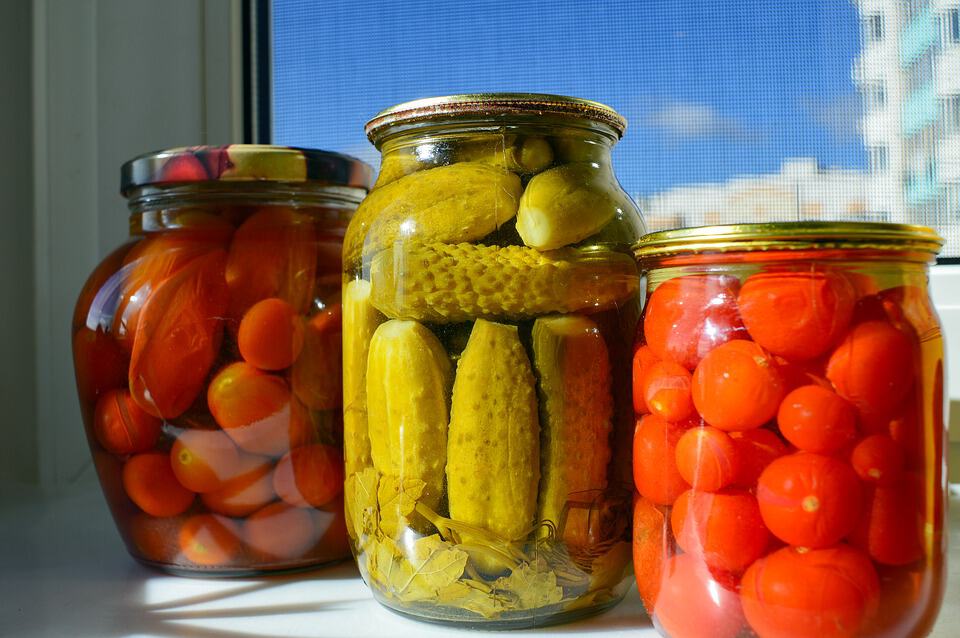
Preserved foods in mason jars on a counter

by OhioPrepper

I’ve been thinking about writing this article for a while, since I’ve explained all of this numerous times over the years, both here and elsewhere; but, when a recent comment on this forum mentioned canning Kale and the response was asking if it could be water bath canned, I knew that folks did not understand some very basic things about canning and botulism. This article will attempt to explain the why of water bath vs. pressure canning; all based on the life cycle of the bacterium Clostridium Botulinum (Cl .Botulinum).

Let’s start with something that everyone probably understands: the common yeast. Yeast is a living organism and like all organisms, it requires food that it digests after which it then excretes waste. In the case of the yeast, the food is sugar and the excrement is alcohol. It’s a simple process that we use to make beer, wine, and distilled spirits.

The bacteria Clostridium Botulinum has a similar life cycle; but, the excrement is one of the most potent and deadly neurotoxins known to exist. To grow, the bacteria requires an anaerobic (low or no oxygen) and a low acid to alkaline (pH greater than 4.6) environment. Since the bacteria covers itself in a spore for protection, it can only be killed by subjecting it to a temperature of 121°C/270°F for 3 minutes.

This leaves us with two options to keep from fatally poisoning ourselves or others.

Kill the Cl .Botulinum, even in its spore form.
This requires the high-temperature pasteurization treatment (121°C/270°F), and since water boils at 100°C / 212°F, a boiling water bath cannot achieve the high temperature required; therefore, pressure canning is required.

Create an environment in which Cl.Botulinum cannot reproduce.
That environment is an acidic environment with a pH of 4.6 or less. This is pretty easy to do when canning most fruits since they have a natural pH that is that low or lower.

Vegetables like corn, beans, and kale, as well as meats, do not naturally have a pH that low, so water bath canning these food items creates a perfect environment for Cl .Botulinum to grow.

This is done by water bath canning fruits with a naturally low pH or by adding acidifiers to the recipe. It’s the reason you may water bath can pickled beets, cabbage, or even meat. While it can be a bit odd to those who haven’t tried it, the German Sauerbraten can be canned this way.

The botulinum toxin itself is inactivated (denatured) rapidly at temperatures greater than 80°C/180°F , so vigorously cooking/boiling may denature/deactivate the toxin in food; but, except in an absolute starvation situation, I would simply discard any suspect food items.

We have probably all heard that we should not give raw honey to infants under 1 year old, and once you understand the life cycle as described above, it becomes obvious. Infants under 1-year-old are generally being fed either mother’s milk or formula and generally have not started eating solid food. The solid food is fed to the child as it develops the Gastrointestinal ability to digest that food, which required stomach acid with a low enough pH to dissolve that food. Prior to this stage of development Cl .Botulinum spores that may be found in raw honey, along with pollen and other things, would find a perfect environment in the GI tract of the young child and would propagate, grow and excrete it’s toxic waste, into that GI tract.

Finally, we have all probably heard of people who talk about water bath canning beans for years with no ill effects, and there are surely people like that who have just been very lucky. Botulism outbreaks still occur with the most recent one I know of being right here in Ohio in April 2015. Here’s the CDC report:

Notes from the Field: Large Outbreak of Botulism Associated with a Church Potluck Meal — Ohio, 2015

Note the table at the bottom of this report that shows numerous outbreaks over the years 1977-2015 all over the country, and perhaps I only knew about this one because it was relatively local here in Ohio.

https://www.cdc.gov/mmwr/preview/mmwrhtml/mm6429a6.htm

Here’s an excerpt from that CDC report:

“The attendee who prepared the potato salad with home-canned potatoes reported using a boiling water canner, which does not kill C. botulinum spores, rather than a pressure canner, which does eliminate spores. In addition, the potatoes were not heated after removal from the can, a step that can inactivate botulinum toxin. The combined evidence implicated potato salad prepared with improperly home-canned potatoes, a known vehicle for botulism.”

The underlined word above is my emphasis since this step is not guaranteed to make the food safe.

Following good practices found in places like documentation from your local county extension agency or the Ball Blue Book should always be done; but, for water bath canning of anything questionable, I suggest a kitchen food pH meter that can be purchased from places like Amazon for around $20.00.

So the basic rules are:

Food with a pH less than 4.6 can be safely water bath canned; but, you should still use proven methods for packing and time from the Ball Blue Book or another reliable source.
Food with a pH greater than 4.6 must be pressure canned to kill the Cl.Botulinum, again using the Ball Blue Book or another reliable source
Any questions, ask away because we all want to be safe.

Filed Under: Homesteading

  • « Go to Previous Page
  • Page 1
  • Interim pages omitted …
  • Page 36
  • Page 37
  • Page 38
  • Page 39
  • Page 40
  • Interim pages omitted …
  • Page 87
  • Go to Next Page »

Primary Sidebar

Subscribe to Blog via Email

Enter your email address to subscribe to this blog and receive notifications of new posts by email.

Join 7,202 other subscribers
  • Amazon
  • Facebook
  • Substack
  • Twitter
  • YouTube

“Do more with less.”

– Minimalist proverb

Recent Posts

  • Just so you know
  • Weather Update for My Corner of Appalachia
  • Why I’m Ordering Ivermectin + Mebendazole Every Year
  • The Website’s Shutting Down (But Here’s the Plan)
  • You Are Hated! Start Training Like It!

Footer

Recent Posts

  • Just so you know
  • Weather Update for My Corner of Appalachia
  • Why I’m Ordering Ivermectin + Mebendazole Every Year
  • The Website’s Shutting Down (But Here’s the Plan)
  • You Are Hated! Start Training Like It!

More about me

Books I’ve written

Books I’ve read

Follow Me on YouTube

Follow Me on Facebook

Gear I Use and Recommend

Newsletter

Search this site

Follow me elsewhere

  • Amazon
  • Facebook
  • Substack
  • Twitter
  • YouTube

© 2008–2025 M.D. Creekmore · As an Amazon Associate, I earn from qualifying purchases.